Keighley Habitat Bank
- County
- West Yorkshire
- Local planning authority (LPA)
- Bradford Metropolitan District Council
- National Character Area (NCA)
- Southern Pennines
- Biodiversity gain sites register number
- BGS-060326001
Biodiversity Units
Very high distinctiveness habitats
- Fens (upland and lowland)
- Lowland meadows
High distinctiveness habitats
- Ponds (priority habitat)
Medium distinctiveness habitats
- Mixed scrub
- Other lowland acid grassland
- Other woodland; mixed
- Upland acid grassland
Habitat Bank overview
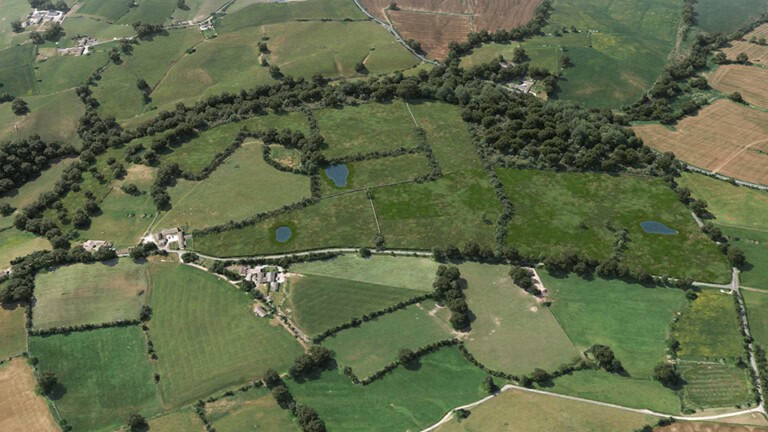
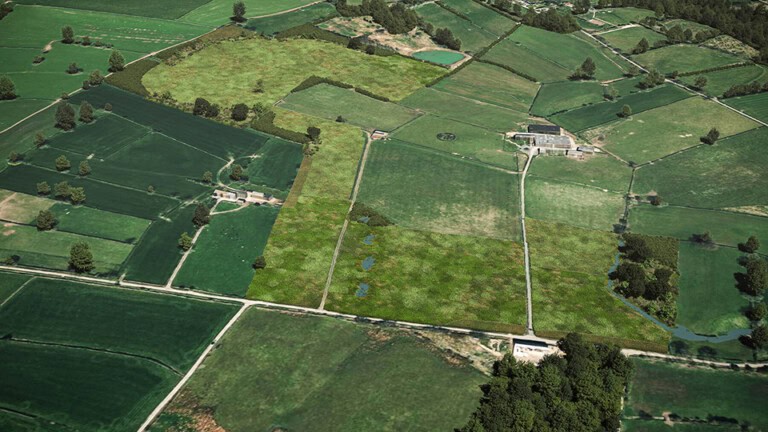
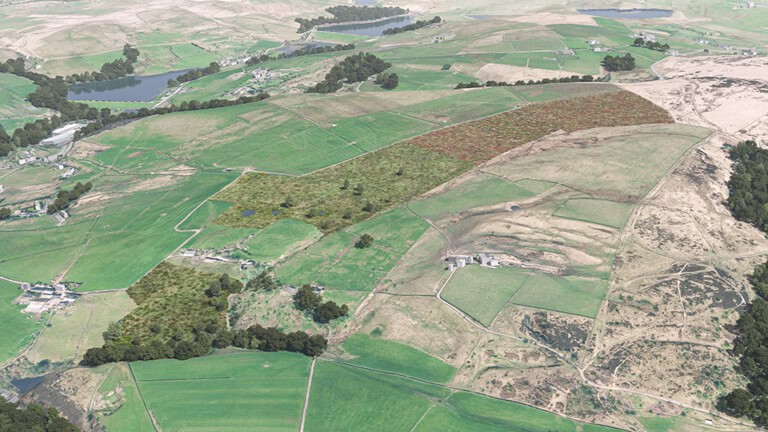
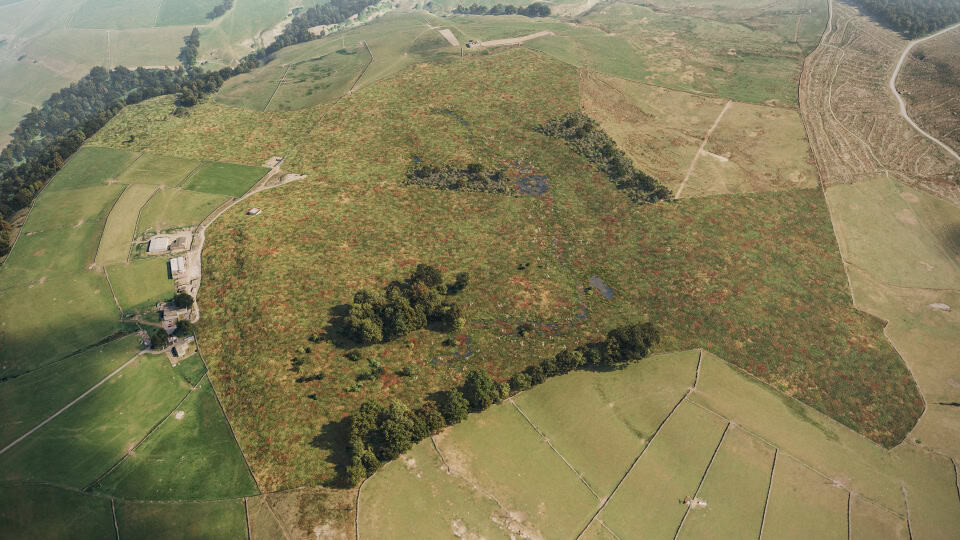
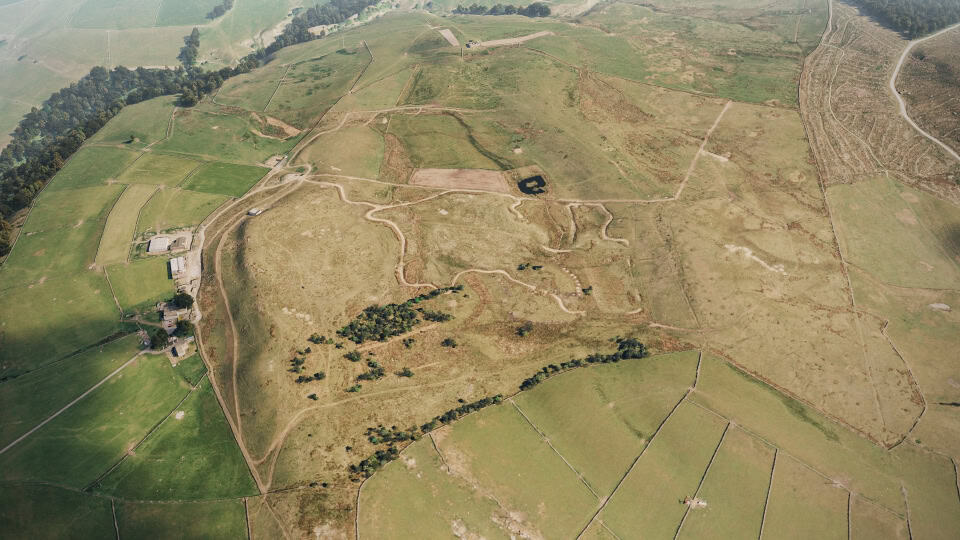
On the edge of Ilkley Moor, just ten miles from the city of Bradford, we’re transforming more than 140 acres of sheep-grazed pasture into a diverse expanse of meadows, fens, scrub, grassland, and woodland.
These new habitats are helping to build connected ecosystems that support a variety of species found in the local moorland, this includes mammals like otters and badgers as well as nesting birds like curlew, cuckoo, lapwing, and grey partridge.
BNG delivery
At every Habitat Bank, we always look at the land to determine what can be achieved from the very start. Our biodiversity experts assess the soil, wildlife, vegetation, geology, hydrology, management history, and connectivity across the local landscape.
We take a baseline for each Habitat Bank using the statutory biodiversity metric. We carefully select the best possible habitats for us to establish so we can deliver and demonstrate measurable biodiversity gains over time.
Coverage
| Neighbouring LPAs |
|---|
|
Yorkshire Dales National Park Authority
|
|
Calderdale Metropolitan Borough Council
|
|
Leeds City Council
|
|
Kirklees Metropolitan Council
|
|
Pendle Borough Council
|
|
North Yorkshire Council
|
| Neighbouring NCAs |
|---|
|
Dark Peak
|
|
Lancashire Coal Measures
|
|
Nottingham, Derbyshire and Yorkshire Coalfield
|
|
Lancashire Valleys
|
|
Pennine Dales Fringe
|
|
Yorkshire Southern Pennine Fringe
|
|
Manchester Pennine Fringe
|
|
Yorkshire Dales
|
Our vision
The site for Keighley Habitat Bank was chosen to support biodiversity across the local landscape. The Habitat Bank neighbours the Jacob’s Wood and Holden Beck Local Wildlife Site (LWS) and less than half a mile away lies the South Pennine Moors Special Protection Area (SPA), Site of Special Scientific Interest (SSSI) and Special Area of Conservation (SAC).
The site was previously home to seven pasture fields and an arable field which gave us a fantastic opportunity to enhance existing habitats and create new, biodiversity-rich ones. It also includes two areas of mature Scots pine woodland, which we’re enhancing to encourage ecological connectivity across the entire Habitat Bank.
The Habitat Bank is being managed with sustainable, low intensity grazing techniques using sheep and cattle, much like they would have been historically. This allows the farmer to continue using the land for agriculture as well as habitat restoration.
With part of the site sat along Holden Beck, a portion of Keighley Habitat Bank sits within flood zones which gives us the potential to help improve natural flood mitigation by enhancing the health of the soil through our habitat creation.
With four Public Rights of Way (PRoW) crossing the Habitat Bank, we’re delighted that members of the local community who use these public footpaths will be able to enjoy the increasing biodiversity over the years as species of native wildlife grow in abundance.
Buy BNG Units
Find out the cost and availability of Biodiversity Units from Keighley Habitat Bank.