Land partner for BNG: Chiddingfold Habitat Bank
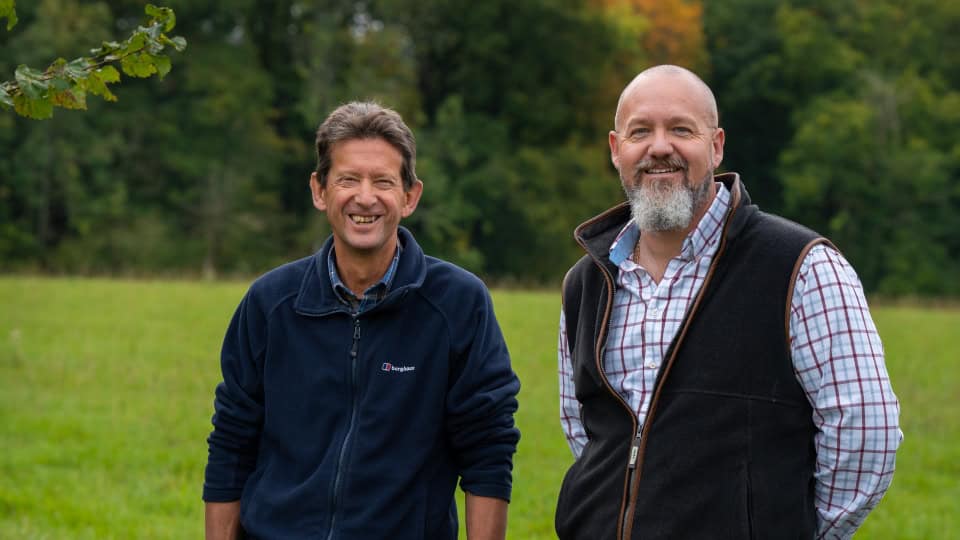
Facing diminishing returns from traditional farming, Jon Cherriman was looking for an alternative land use option that would provide financial stability for his family business, Prestwick Manor Farm in Surrey.
Jon and his father, Neville, partnered with Environment Bank to diversify through Biodiversity Net Gain (BNG) which gave them the security they needed while also enabling them to restore nature, enhance their land, and support a more sustainable farming system.
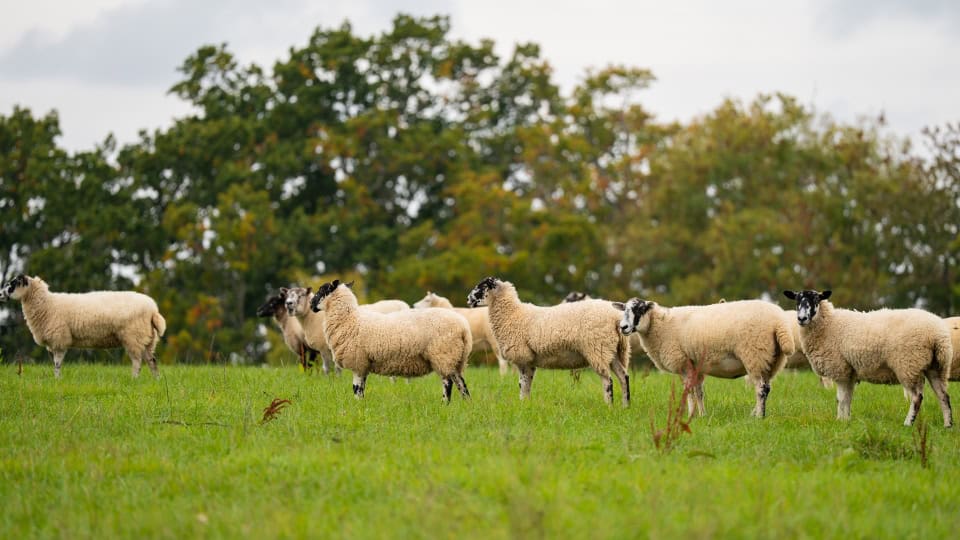
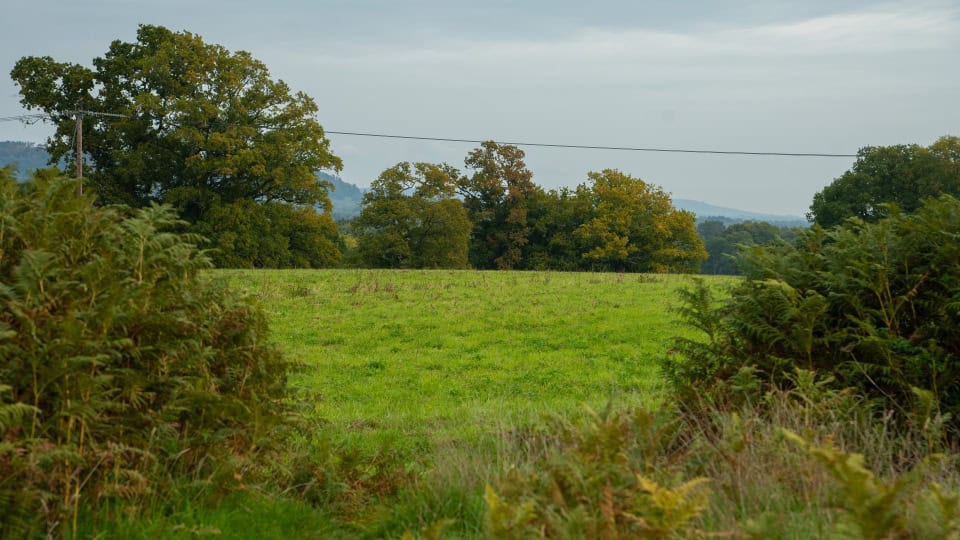
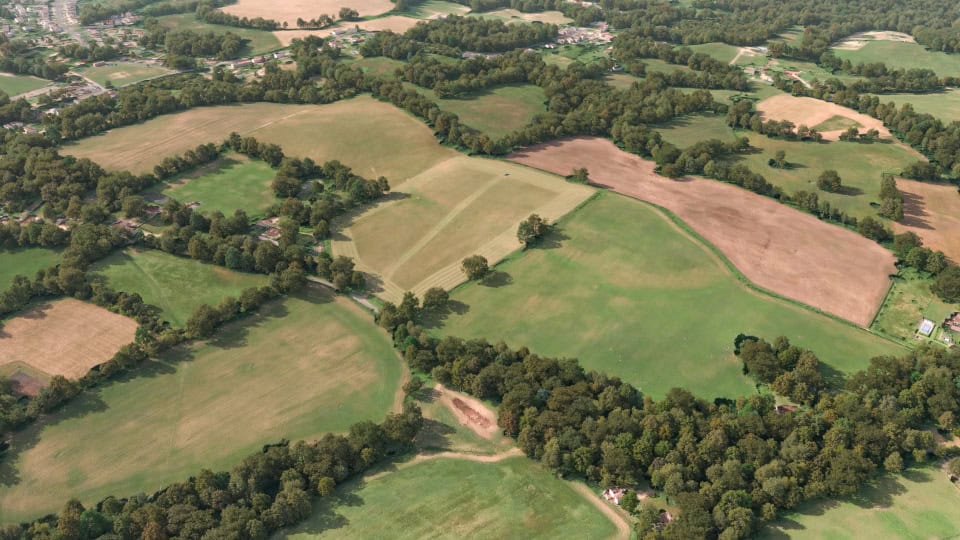
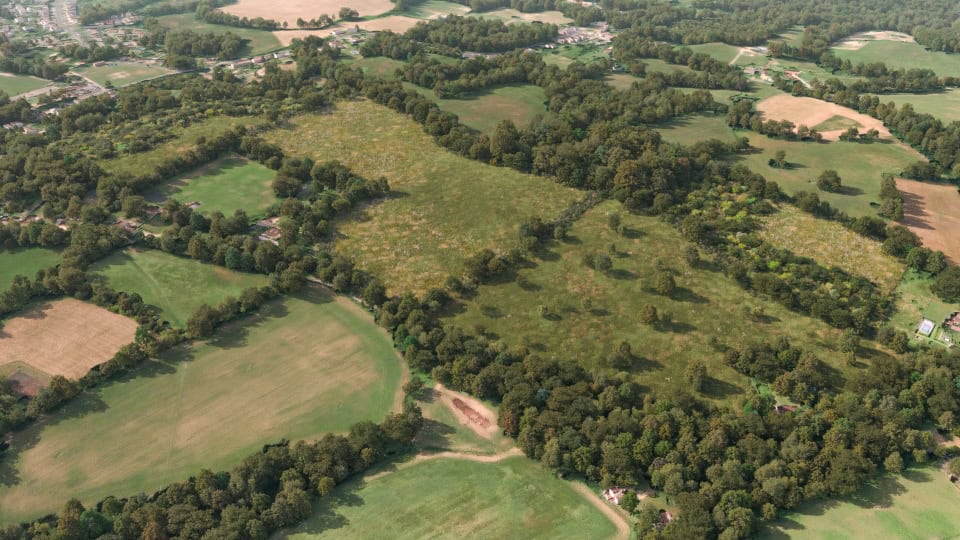
In March 2025, we established a 50-acre BNG site – Chiddingfold Habitat Bank – using a parcel of their least productive farmland. Through this partnership, the family can continue farming this land while benefitting from a stable source of additional income.
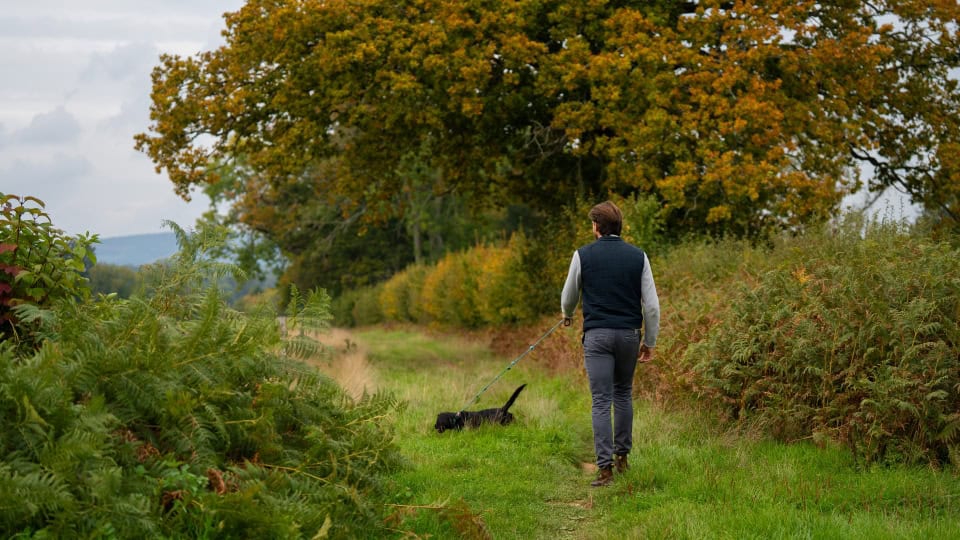
Working closely with Jon and his family, we’ve created a mosaic of new habitats and restored the space for nature. This has included enhancing the site’s existing public footpaths so they’re clear and accessible, allowing local people using the paths to continue enjoying walks in nature without disturbing the new habitats.
What made you consider a BNG Habitat Bank for your land?
“Despite our best efforts, the financial returns from traditional farming had diminished to unsustainable levels. As the economic pressures mounted, we found ourselves at a crossroads. Continuing with business as usual was becoming untenable, both financially and environmentally.
Against this backdrop, we began exploring alternative land uses that could offer both economic relief and positive environmental outcomes. The concept of a BNG Habitat Bank quickly rose to the forefront of our considerations, offering a blend of ecological restoration and economic opportunity.”
Why did you choose to partner with Environment Bank?
“Recognising the potential of BNG, we sought a partner with the expertise and resources to guide us through the transition. Environment Bank, an established leader in the field, offered a compelling partnership model.
Environment Bank’s proven track record in habitat creation and management, coupled with a transparent approach and a strong ethos of ecological integrity, made its team the ideal collaborator for our project.
From our initial discussions, Environment Bank provided detailed advice on the suitability of our land, the restoration process, and the potential returns. Its team conducted comprehensive ecological surveys to assess existing habitats and identify areas with the greatest potential for biodiversity enhancement.”
How have you found the early process of setting up a BNG Habitat Bank?
“The decision to place 50 acres of farmland into a BNG Habitat Bank in partnership with Environment Bank marked a significant turning point in our journey as land stewards. While born of economic necessity, the transition has unlocked new possibilities—for nature, for the community, and for our own sense of purpose.
The journey began with a thorough baseline assessment. Ecologists from Environment Bank mapped the land, catalogued existing species, and evaluated soil, hydrology, and landscape features. This baseline enabled us to set clear targets for biodiversity improvement and to select the most suitable habitats to create or enhance.
Together, we developed a bespoke management plan tailored to our site’s unique characteristics, ensuring that our contribution to the Habitat Bank would be both meaningful and measurable.”
How is your land expected to change over the coming years?
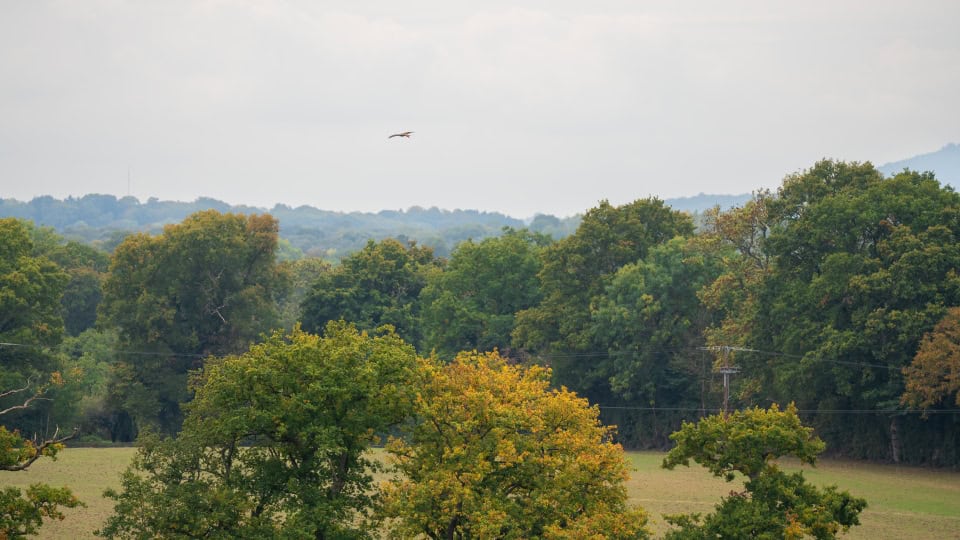
“Restoration is not an overnight transformation; it takes years for newly sown meadows to mature, for ponds to attract breeding amphibians, and for woodland corridors to become established. On a practical level, the process requires patience and adaptability.
But each intervention is underpinned by a long-term management plan, including regular monitoring, adaptive management, and ongoing ecological surveys. This ensures that the Habitat Bank will deliver real and lasting benefits, rather than short-term gains.
By restoring and enhancing habitats which we’ll manage for the next thirty years, we are directly supporting the recovery of native species and improving ecosystem services such as pollination, water filtration, and carbon sequestration.”
How will these changes benefit your land and farming business?
“By diversifying land use and restoring natural systems, we are making the landscape more resilient to extreme weather and environmental change. Rather than depleting the land’s resources, we are leaving a legacy of recovery and renewal for those who will steward this place after us.
The project has created opportunities for community involvement, from educational visits to citizen science monitoring, strengthening the bond between people and nature.
As farmers, our calling has always been to nurture the land; now, we are doing so in a way that embraces biodiversity, innovation, and hope. In the face of uncertainty, we have chosen to act, to adapt, and to invest in the enduring value of a healthy, thriving countryside.”
What advice would you give to others considering BNG?
“Transitioning 50 acres into a BNG Habitat Bank is a complex and multi-faceted process, requiring careful planning, expert input, and a willingness to embrace change. The initial investment of time and resources is significant, but the long-term rewards – in both ecological and financial terms – are compelling.
By partnering with Environment Bank, we have been able to channel our love of the land into a new form of stewardship – one that honours our heritage while embracing the urgent need for environmental restoration.
We believe that the transition to biodiversity-rich landscapes is not just a response to economic necessity, but a proactive choice to build a more sustainable and hopeful future.
Through our work, we hope to inspire other landowners facing similar challenges to consider the opportunities offered by habitat banking. Together, we can ensure that our landscapes remain vibrant, productive, and resilient for generations to come.”
Waverley Borough Council has supported the delivery of the Chiddingfold Habitat Bank, developed in partnership with Environment Bank.
Waverley Borough Council Biodiversity Duty Report 2026
By enabling Biodiversity Net Gain to be delivered locally and secured for the long term, the project demonstrates how strategic planning decisions can actively contribute to nature recovery while meeting statutory biodiversity obligations.