International Day of Forests 2026 – spotlighting lowland mixed deciduous woodland
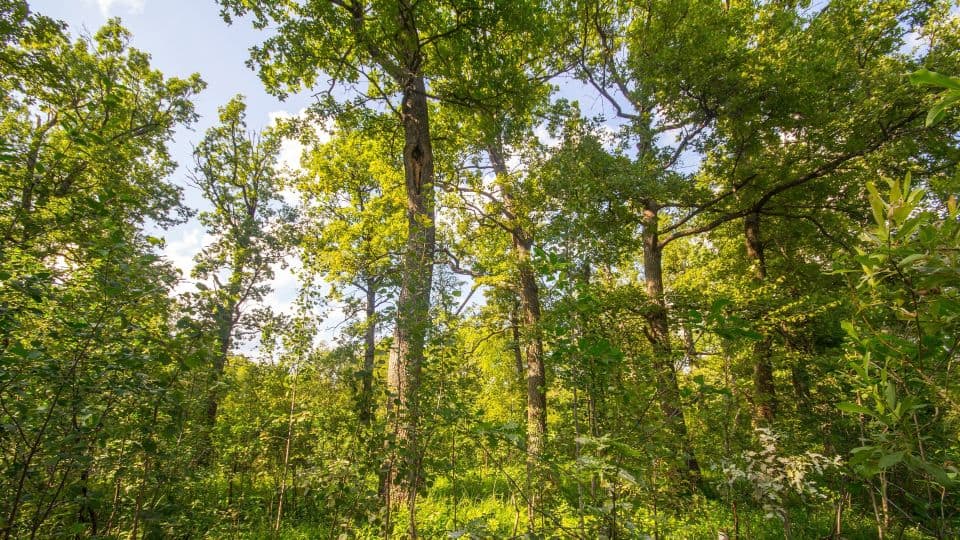
21st March marks the International Day of Forests – a day designated by the United Nations General Assembly to raise awareness around the significance of woodland ecosystems and why it’s so important for us to tackle issues that affect forests around the world.
To celebrate the International Day of Forests, and raise awareness around the importance of their biodiversity, we’re spotlighting some of Environment Bank’s work to restore woodland in England – and focusing on one of our rarest habitat types.
Why forests are so important
Making up a third of our planet’s ecosystems, forests are hugely important. They support over half of all land animal, plant, and insect species – and they also act as natural carbon sinks by absorbing greenhouse gasses from the atmosphere and slowing the effects of climate change.
These ecosystems are crucial for maintaining the wellbeing of the planet and its inhabitants – but they are under ever-growing threat. The United Nation’s Food and Agriculture Organization (FAO) estimates that 10 million hectares of forest are cut down each year, amounting to two billion hectares that have been lost overall.
For this year’s International Day of Forests, we’re focusing on a particularly rare woodland habitat type in England: lowland mixed deciduous woodland.
What is lowland mixed deciduous woodland?
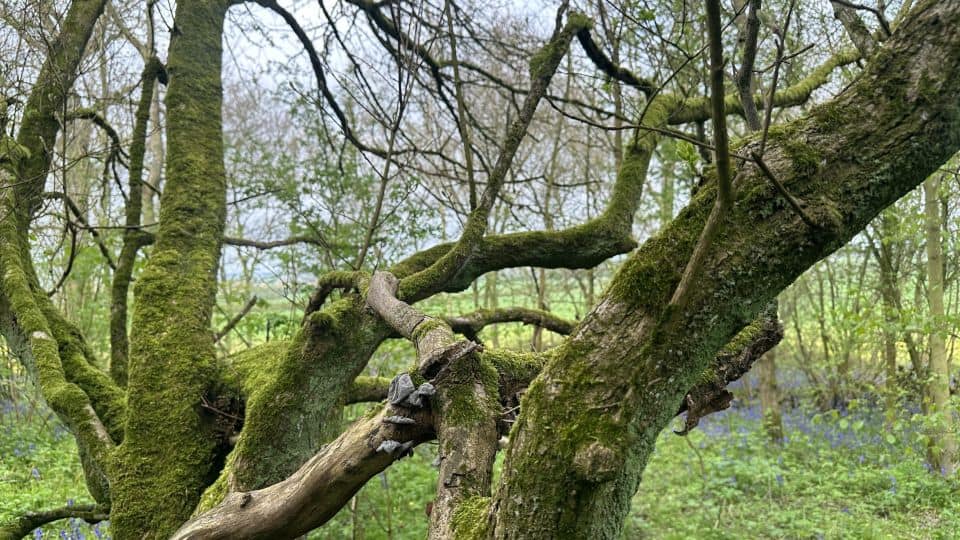
This broadleaved, high distinctiveness priority habitat type is found in lowland areas, often around semi-natural woodland. The rarity of lowland mixed deciduous woodland makes it incredibly important to nature restoration and species recovery efforts.
Ancient woodland is characteristic of the habitat type, and this covers just 2.5% of UK land. These woodlands have persisted since the 1600s and have remained largely undisturbed by human development – consequently fostering their own complex communities of animal and plant species.
How is lowland mixed deciduous woodland important for biodiversity in England?
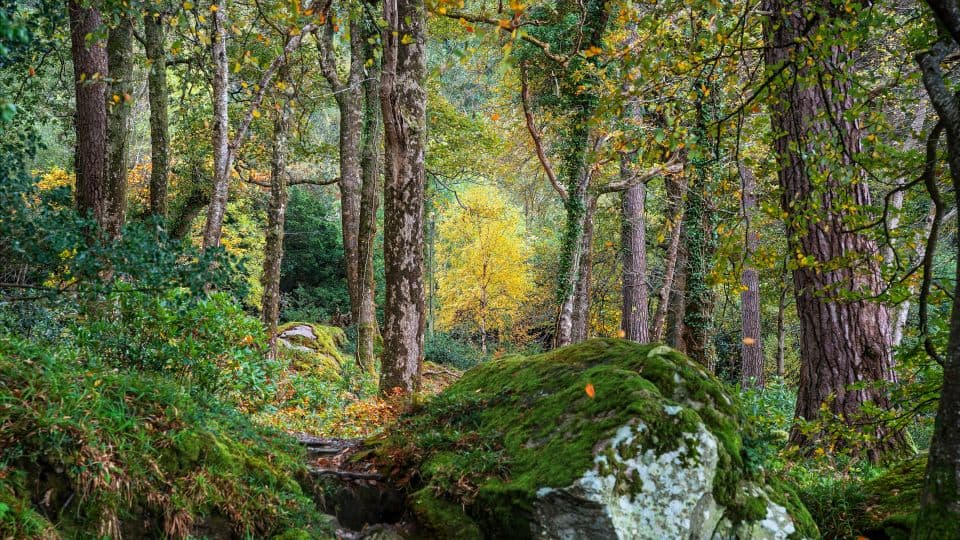
This woodland type is fantastic for increasing the biodiversity of native species. It creates connections between semi-natural habitats – allowing for wildlife to travel in between. It also improves and protects soil health, which in turn helps to maintain ecosystem resilience and mitigate the impacts of climate change. Areas with lowland mixed deciduous woodland can be home to many different wildlife species, such as lesser spotted woodpecker, tree sparrow, and many species of bat. The habitat type can also be home to priority species that are experiencing rapid decline in England, including grey dagger moth and brindled beauty moth.
Lowland mixed deciduous woodland does, however, require careful management to thrive as it can be threatened by invasive plant species (such as rhododendron and cherry laurel) and the presence of livestock can prevent natural regeneration. This is reflected in our approach to creating and enhancing these habitats so we can help them thrive.
Where does Biodiversity Net Gain (BNG) fit into this?
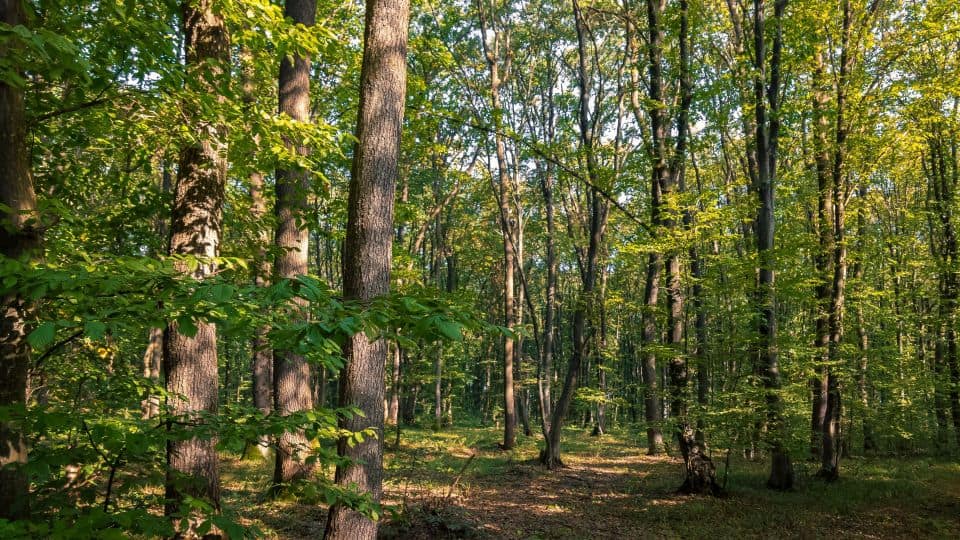
The International Day of Forests is dedicated to the preservation of forests globally, and the implementation of Biodiversity Net Gain (BNG) policy is essential to fulfilling this mission in England. The preservation of priority habitats such as lowland mixed deciduous woodland is particularly important to maintain their individual ecosystems and increase populations of declining wildlife species.
BNG came into effect in England in 2024, and is a policy which requires developments to restore all biodiversity value that has been lost and increase this value by 10% post-development. If this is unable to be achieved on-site, then off-site Biodiversity Net Gain can be achieved through the purchase of Biodiversity Units. Through policies like BNG, we’ve been able to drive the restoration of England’s most vital habitats.
As the leading off-site BNG provider with a national network of almost fifty BNG Habitat Banks and over 9,000 Biodiversity Units generated so far, we are helping developers restore any habitats that have been lost – including forest habitats like lowland mixed deciduous woodland.
The scale of our network allows us to support all kinds of projects – including the development of essential infrastructure projects with more complicated BNG needs. Last year, we were able to support a significant road project in Oxford that required three different types of Biodiversity Units, including lowland mixed deciduous woodland. We could easily supply these from our Harrogate Habitat Bank, allowing development to start well-ahead of schedule and enabling rare habitats to be restored.
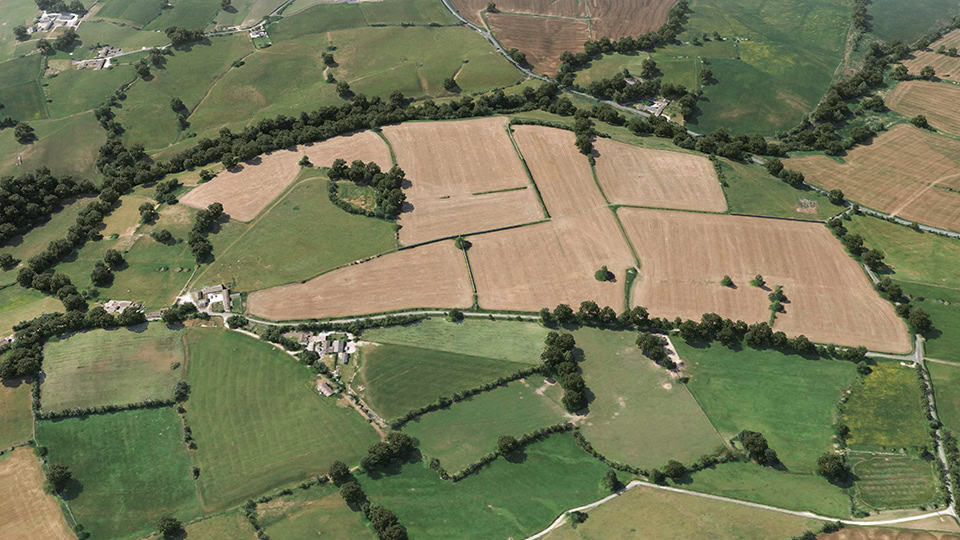
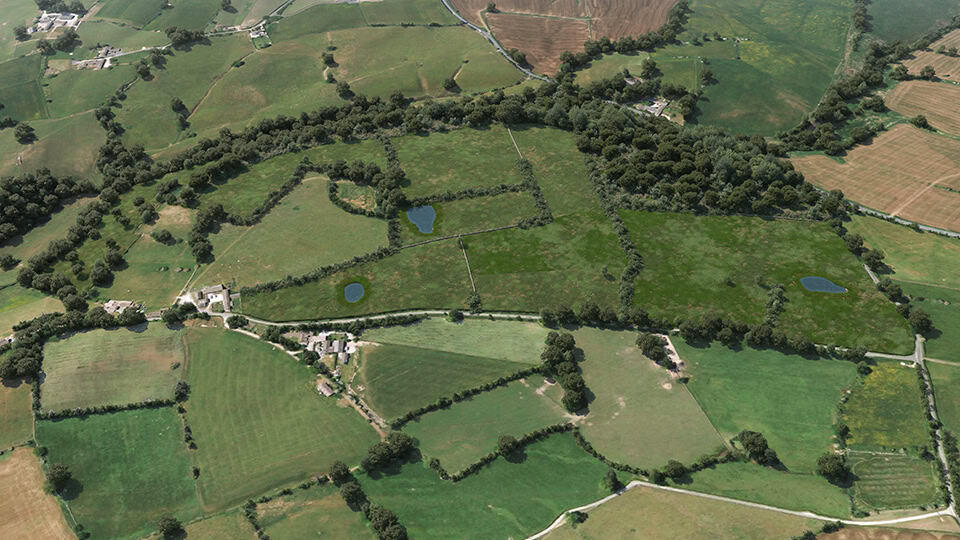
Lowland mixed deciduous woodland found at our Whitchurch Habitat Bank
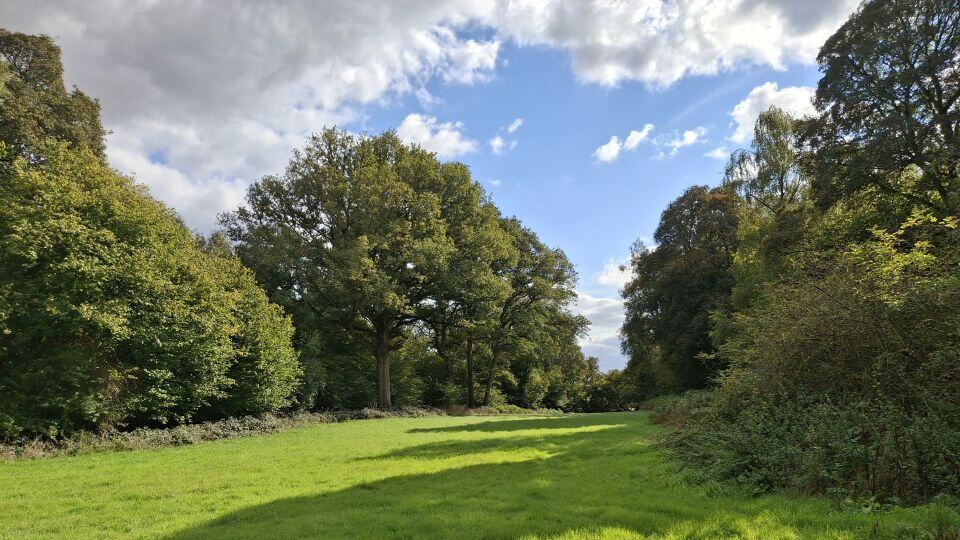
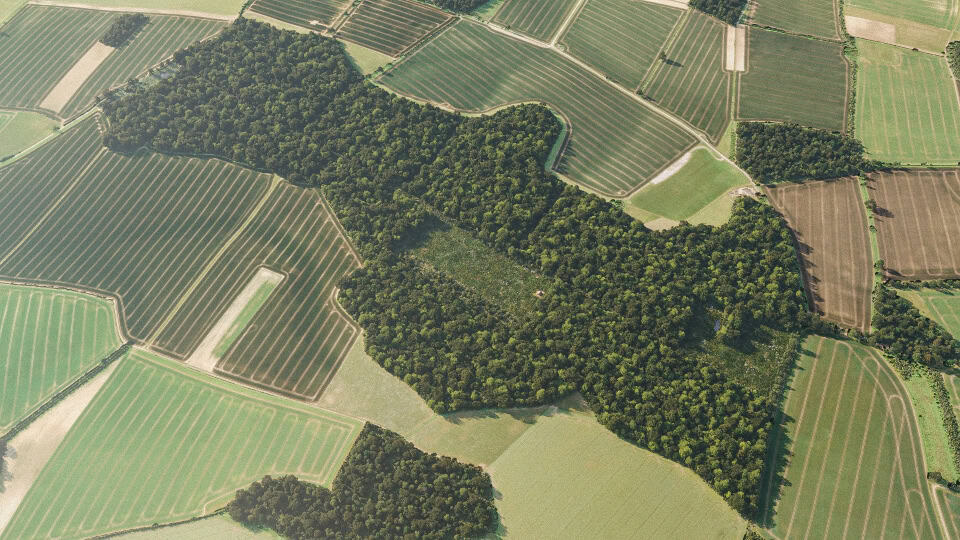
Lowland mixed deciduous woodland is particularly prevalent at our new Whitchurch Habitat Bank where our team have generated a gain of more than 180 Biodiversity Units of this habitat type. Once Whitchurch Habitat Bank has been added to the biodiversity gain sites register this summer, over 20% of lowland mixed deciduous woodland Biodiversity Units on the register will be from Environment Bank sites.
Whitchurch Habitat Bank is a fantastic Biodiversity Net Gain case study as it sits within two miles of three Sites of Special Scientific Interest (SSSIs). The location of the site improves connectivity for the area’s native wildlife, which is further strengthened by the presence of lowland mixed deciduous woodland.
Whitchurch Habitat Bank is largely made up of ancient woodland and is home to a range of species such as oak, field maple, and birch. Our ecologists’ careful enhancement and restoration of these habitats will hopefully provide nesting and foraging opportunities for priority species such as western barbastelle bat and white admiral butterfly.
The site sits in the local planning authority (LPA) of Basingstoke and Deane Borough Council and the Hampshire Downs National Character Area (NCA). It also neighbours six LPAs and eight NCAs, making its Biodiversity Units a cost-effective BNG solution for many local development projects – as well being a potentially highly impactful project for local ecosystems.
Why forests are important for economies
This year’s International Day of Forests theme is forests and economies. This is particularly prevalent to BNG as there is a common misconception that investment in nature recovery schemes is economically unbeneficial – which couldn’t be farther from the truth.
There are many ways in which forests boost global economies. The forest sector employs 33 million people around the world, supporting livelihoods and advancing rural development.
While forests create essential social and economic good for local communities, their benefits are far more widespread. The promotion of biodiversity in forests leads to nutrient cycling – the cycling of nutrients through their different forms, each benefitting the ecosystem uniquely – and increased pollination. This then leads to increased agricultural productivity and the trade of higher quality raw and renewable materials – supporting businesses’ value chains and helping the UK meet legally binding environmental targets.
Sustainability and biodiversity schemes are currently receiving lots of support from private investment, such as the $15 trillion that has been committed to an investor stewardship initiative tackling biodiversity loss by 2030 – as investors realise the economic benefits of giving back to nature.
Forest health and economic growth are intrinsically linked – investment in nature is the only way to ensure sustainable economic growth and maintain return on investment (ROI).
The positive impacts of our nature recovery work
Although forests around the world face serious threats because of deforestation and climate change – there has undoubtedly been a positive shift in attitudes towards their preservation.
As private investment begins to favour environmental schemes, and policies such as BNG enable large-scale habitat restoration – rare woodland habitats, such as lowland mixed deciduous woodland, are beginning to recover.
It’s fantastic to see how our work is helping to restore woodland habitats across England as well as giving back to local communities and businesses – and we’re excited to see how our network of Habitat Banks will continue to help nature and wildlife thrive.