Keighley Habitat Bank
LPA:
Bradford Metropolitan District Council
NCA: Southern Pennines
NCA: Southern Pennines
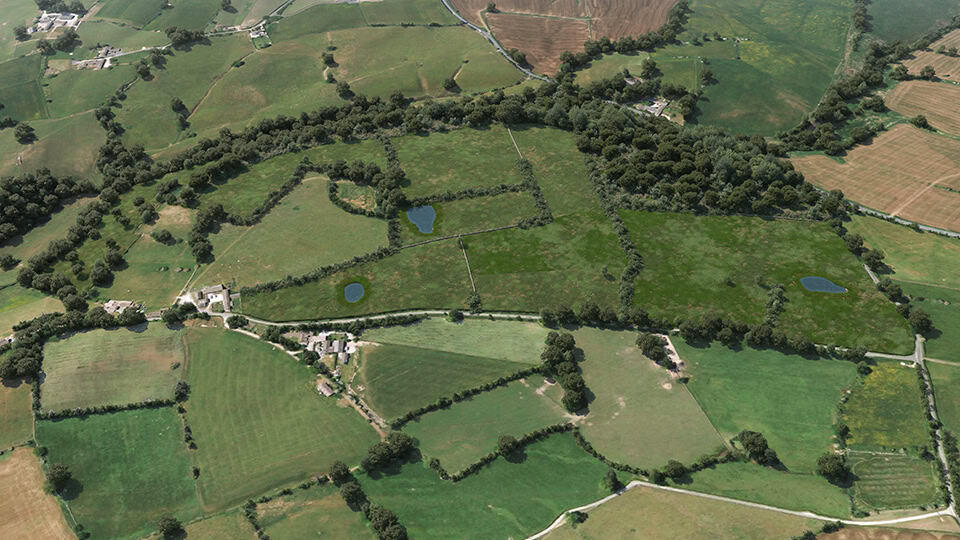
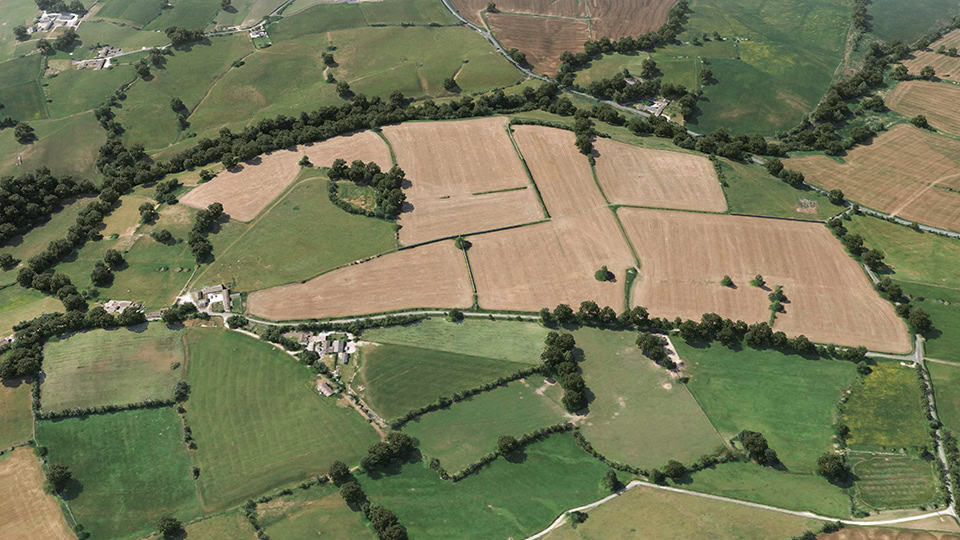
This eighty-acre Habitat Bank located between Harrogate and Otley is part of our expanding national network.
Here we are working to connect the existing farmland with local ancient woodland to maximise local environmental benefits – transforming a mixture of permanent pasture and silage fields into a perfectly blended landscape of thriving habitats and sustainable agriculture.
At every Habitat Bank, we always look at the land to determine what can be achieved from the very start. Our biodiversity experts assess the soil, wildlife, vegetation, geology, hydrology, management history, and connectivity across the local landscape.
We take a baseline for each Habitat Bank using the statutory biodiversity metric. We carefully select the best possible habitats for us to establish so we can deliver and demonstrate measurable biodiversity gains over time.
| Neighbouring LPAs |
|---|
|
Middlesborough Council
|
|
York City Council
|
|
Pendle Borough Council
|
|
Bradford Metropolitan District Council
|
|
Yorkshire Dales National Park Authority
|
|
Wakefield Metropolitan District Council
|
|
East Riding of Yorkshire Council
|
|
North York Moors National Park Authority
|
|
Darlington Borough Council
|
|
Durham County Council
|
|
Redcar and Cleveland Borough Council
|
|
Stockton-on-Tees Borough Council
|
|
Lancaster City Council
|
|
Leeds City Council
|
|
Doncaster City Council
|
|
Ribble Valley Borough Council
|
|
Lancashire County Council
|
| Neighbouring NCAs |
|---|
|
Tees Lowlands
|
|
North Pennines
|
|
Southern Pennines
|
|
Yorkshire Dales
|
|
Vale of Mowbray
|
|
Southern Magnesian Limestone
|
|
Durham Coalfield Pennine Fringe
|
|
Nottingham, Derbyshire and Yorkshire Coalfield
|
The Harrogate Habitat Bank will be fully established over the next fifteen years leading to a more functional and resilient natural landscape – one capable of supporting richer and more abundant biodiversity.
We’re establishing scrub and woodland habitats using natural regeneration to create a buffer along the adjacent river and woodland corridor. This is supporting local ecological targets and adding resilience to the neighbouring ancient woodland and Site of Importance for Nature Conservation (SINC).
We’re also creating new species-rich hedgerows and enhancing existing ones to connect the Habitat Bank to the surrounding landscape, providing features for foraging and commuting wildlife like bats and barn owls.
By installing ponds, strategically placed to curb the flow of surface water, we aim to reduce soil erosion and slow the flow of water across the local landscape to alleviate flooding in the local village.
The Harrogate Habitat Bank will help support curlew, a species that seen significant national decline due to intensive farming practices. Returning the landscape to hay meadows with scattered scrapes will really help this species, alongside other wading birds.
The landowners are keen to gain accreditation for school visits for young people studying nature. They hope to work with students to track the habitat management plan and monitor the wildlife growing in abundance.
Find out the cost and availability of Biodiversity Units from Harrogate Habitat Bank.