What is the ecological significance of hedgerows?
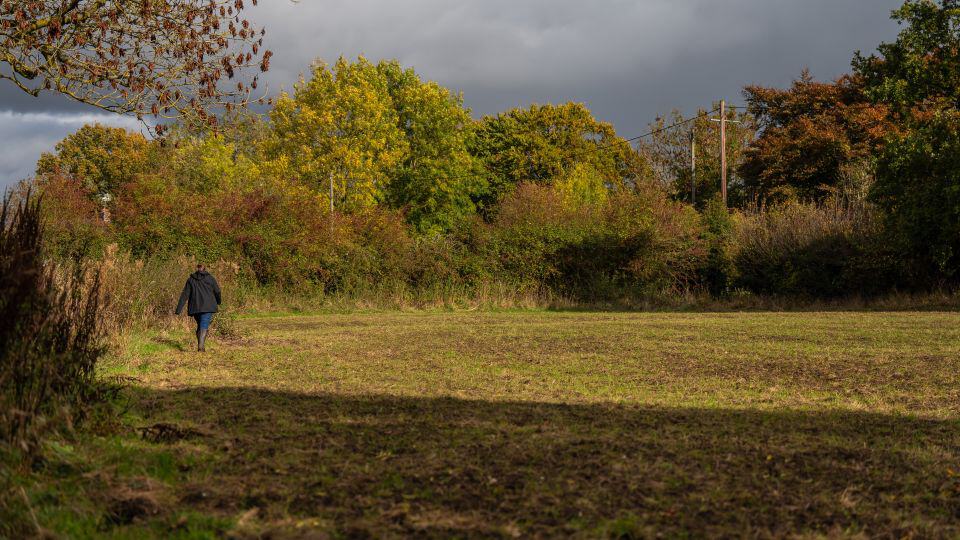
To enact high integrity nature restoration, every component of our ecosystems must be taken into consideration – and hedgerows are no exception.
These diverse habitats play a crucial role in our wider ecosystems – but they don’t get the recognition they deserve. In this blog, we’d love to raise awareness around the different types of hedgerows, why they are so important, and some of the success stories we’ve had with their restoration.
What are hedgerows – and why are they so important?
Hedgerows are incredibly diverse habitats commonly found in the countryside, often acting as effective boundary lines for fields and gardens.
Made up of sparse shrubs, dense bushes, and a wide variety of trees, hedgerows provide invaluable habitats for wildlife. They provide a reliable food source for many mammals, invertebrates, and birds; provide shelter and nesting opportunities; and enhance connectivity between landscapes.
Hedgerows play a vital role in supporting national biodiversity, which in turn hugely benefits England’s farmers and crop production. Their sturdy roots keep soil in place and their above-ground hedges reduce the destructive impact of rainfall – preventing erosion and helping to maintain soil fertility.
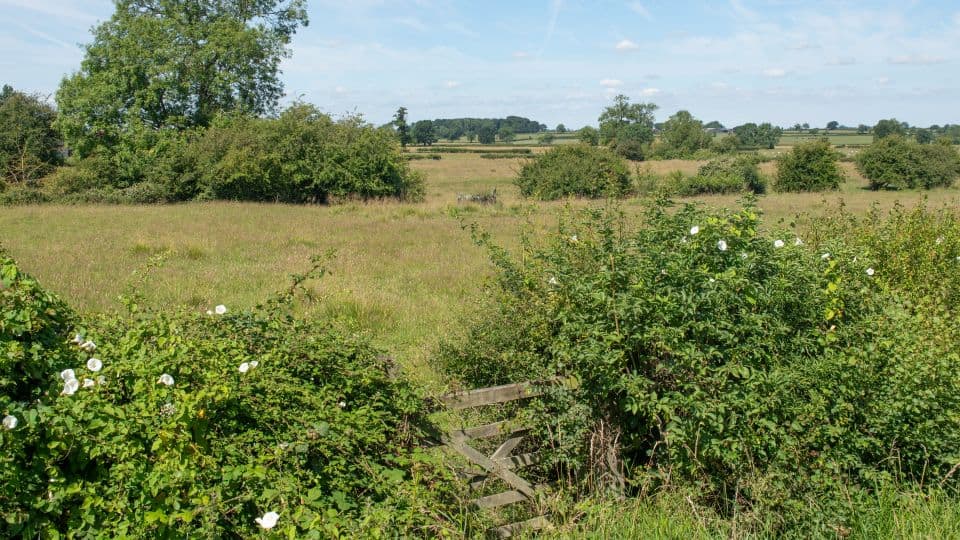
Hedgerow habitats within BNG policy
Biodiversity Net Gain (BNG) is a landmark nature restoration policy that was introduced to England in 2024 – requiring developers to restore habitat loss by at least 10% post-development.
BNG policy is regulated through the statutory biodiversity metric framework, which divides habitats into different classifications. This ensures that BNG requirements carry out nature restoration as effectively as possible.
There are currently thirteen distinct classifications of hedgerows, differentiated by their structure and level of biodiversity.
Species-rich native hedgerow with trees – associated with bank or ditch is the classification with the highest level of biodiversity. Habitats are considered ‘species-rich’ when they are made up of at least five native or naturalised species. This habitat type is multi-layered and structurally complex – made up of diverse shrub species, veteran trees, and banks or ditches.
Ecologically valuable line of trees is also classified as a hedgerow habitat type, despite not possessing the shrub layer that is typically expected of hedgerows. To be ‘ecologically valuable’ this habitat must include mature or veteran trees – typically possessing microhabitats that have developed over time.
The hedgerow habitat with the lowest ecological value is non-native and ornamental hedgerow, over 20% of which must be newly introduced species.
Each of these thirteen hedgerow classifications play an important role in maintaining biodiversity and healthy ecosystems. Our mission is to restore these habitats across England – here are some of our successes so far.
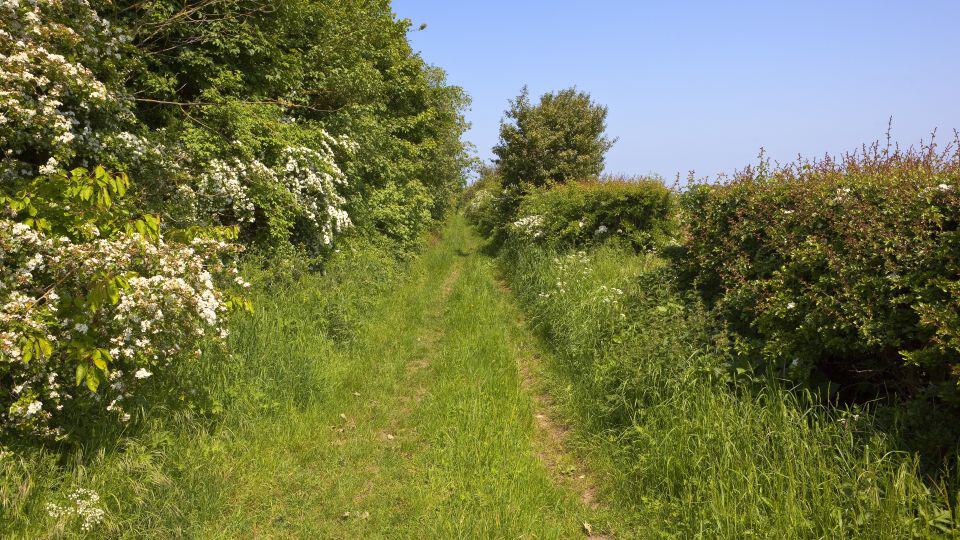
Natural regeneration at Chester and Ellesmere Habitat Banks
At Chester and Ellesmere Habitat Banks, our twin sites in Cheshire, we are restoring native hedgerows through natural regeneration – a low intervention ecological approach that re-establishes plant species through natural seed dispersal.
In the autumn, we cut existing hedgerows and lay the cuttings in areas designed for scrub establishment. The berries and nuts then fall onto the ground, germinating and creating new areas of hedgerow across the site.
Natural regeneration has many ecological benefits. The fallen seeds can travel far naturally, establishing native plant species across wide areas of land. Studies have also shown that plants grown through natural regeneration are more adapted to local weather conditions such as drought.
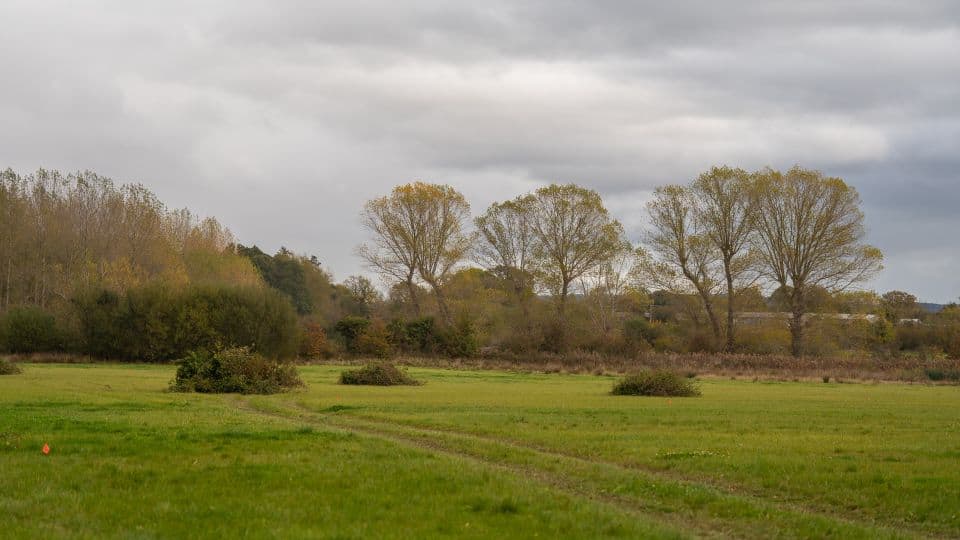
Supporting pine marten at Wigmore Habitat Bank
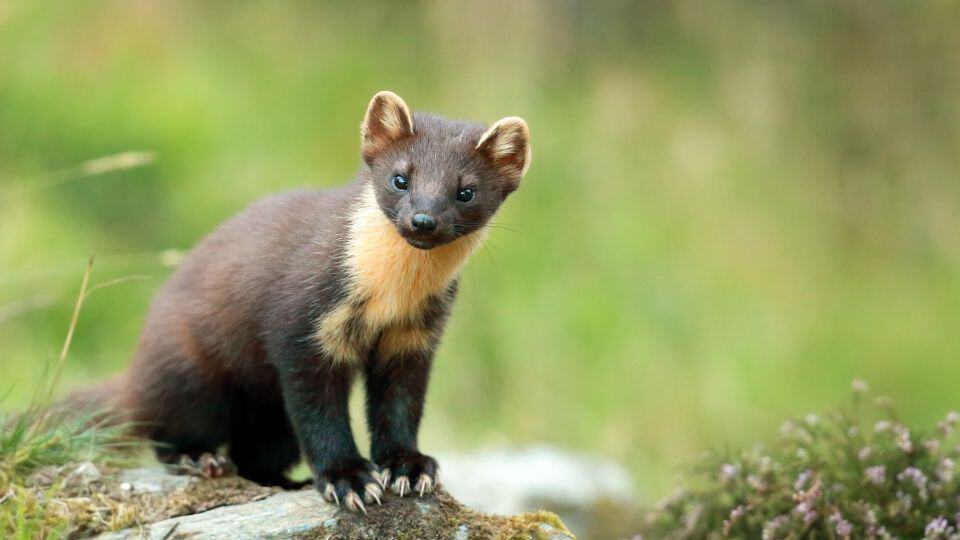
Our Wigmore Habitat Bank in Herefordshire has been designed to support local pine marten through our creation of new hedgerow habitats.
The site sits adjacent to Mortimer Forest – a one-thousand-acre woodland that contains multiple Sites of Special Scientific Interest (SSSIs) and recorded populations of critically endangered pine marten.
Along the boundary between Wigmore Habitat Bank and Mortimer Forest, our team of ecologists have created new hedgerow habitats to increase connectivity for local wildlife and extend the forest’s existing pine marten habitats.
The creation of these hedgerow habitats has been a huge success – and we have already found camera trap footage of pine marten at Wigmore Habitat Bank!
The importance of BNG to nature restoration
Hedgerows are hugely important to our ecosystems – but they often get overlooked in conversations around nature restoration. BNG policy ensures that these habitats are protected and enhanced across England.
Environment Bank has the largest multi-disciplinary team in the BNG sector, with a team of over 140 specialists. At each site, our in-house ecologists carefully survey and design the landscape to ensure high-integrity habitat creation and maximum biodiversity uplift.
As the market-leading BNG provider, Environment Bank is at the forefront of the nature restoration sector. The results we are seeing now are incredible, and we are excited to continue supporting England’s ecosystems and wildlife.