Flood risk, insurance capital and the case for nature-based solutions at scale
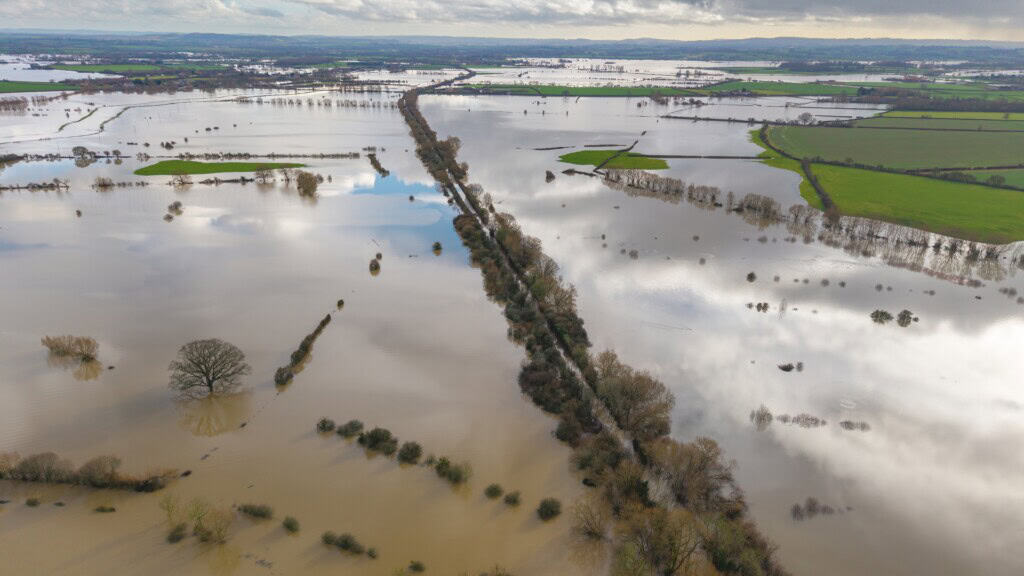
Aviva CEO Amanda Blanc has pointed out the danger increased flooding poses to residential development. Environment Bank’s Rob Wreglesworth outlines how corporate investment in nature can remedy this.
As the UK prepares for a potentially very wet winter, the talk has begun to turn from drought to flooding.
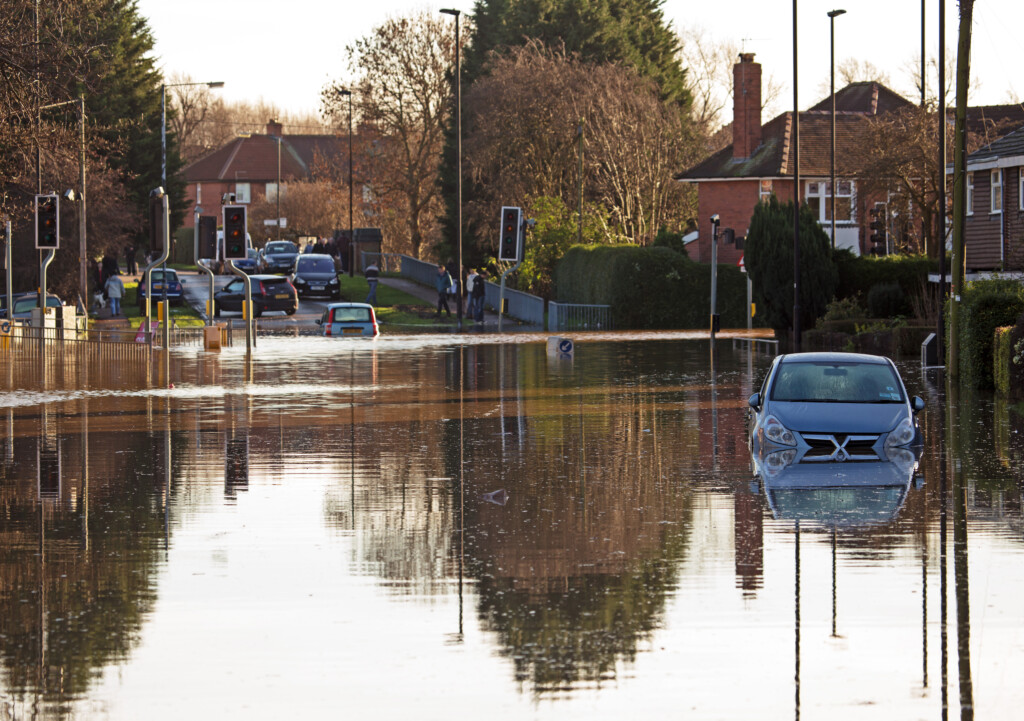
Amanda Blanc, the Chief Executive of Aviva, recently appeared on the BBC’s Big Boss Interview podcast, where she discussed the importance of nature investment to the insurance company. She argued that, despite flood risks rising rapidly, we are continuing to build homes in flood zones – with over 115,000 new homes estimated to be built on flood zones in the next decade.
Amanda also mentioned the 6.3 million existing homes and businesses in England that are already at risk from flooding. For these communities, no amount of sensible decisions in the planning system will make a difference.
Aviva sit in an interesting position in this conversation. While they have the responsibility to pay the insurance claims when flood risks actualise, they also hold the capital that could help to tackle this wider risk at the source.
In her interview, Blanc pointed out that Aviva already holds more than £100bn invested in the UK overall, with £35bn funnelled into infrastructure – including hospitals, schools, and wind farms. But they want to do more.
How would this work?
So, what are the options here? Blanc mentions there are plenty of ways that homeowners can increase resilience at a property level. Then you have engineered flood defences, which are expensive, slow to build, and carry a huge logistical burden with their construction.
This leads to a third, upstream answer: a dedicated and strategic nature-based solution.
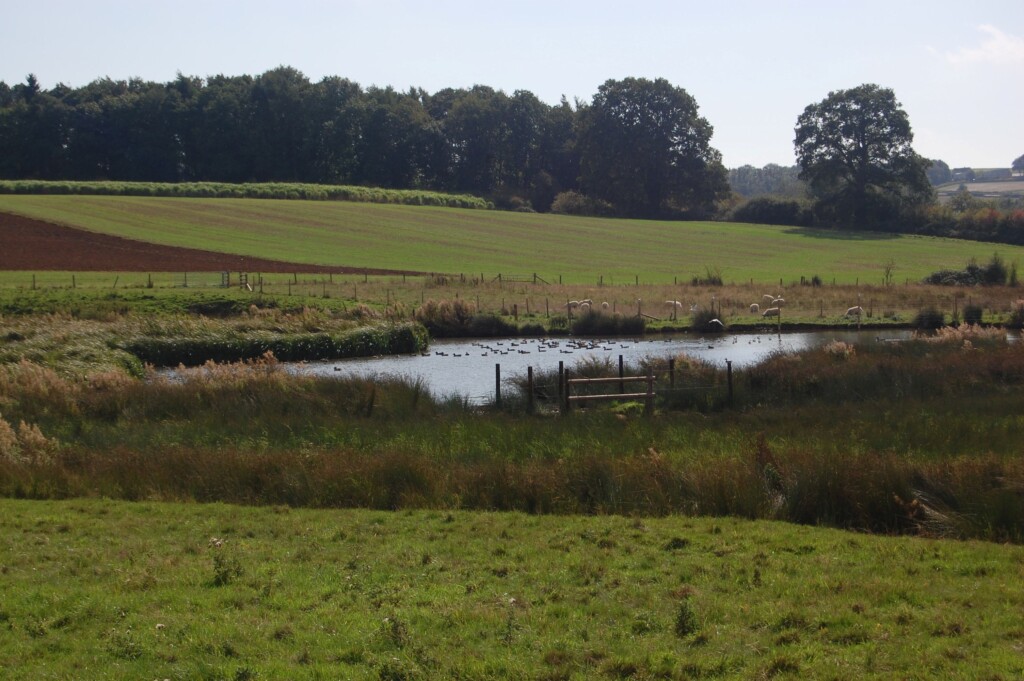
In this case, that means restoring landscapes and slowing water down before it reaches towns and cities in the first place.
This thinking isn’t new, we have been talking about it for a long time. So why is the money still not moving, even when the biggest insurers can see the problem so clearly?
Nature investments – taking the leap
As Blanc mentions in the interview, there is still an evidence problem. But that evidence isn’t scientific, it’s contractual.
As we have found at Environment Bank, if you want to encourage investment in nature at scale, you need institutional capital. The kind of capital that has started to invest in habitat restoration projects in the Biodiversity Net Gain (BNG) sector.
That sort of investment wants a defined unit (be it a Biodiversity Unit or something comparable), a known cost, returns, and a counterparty who is accountable for the outcomes over a timeframe that matches the liability.
Despite being around for a long time, nature-based solutions have tended to be pilot projects, partnerships, and goodwill.
Renewables, like offshore wind, didn’t scale because, as infrastructure improved, we could measure their output better. It was because of Contracts for Difference (CfD), a subsidy which offered reliable long-term revenue. Nature-based solutions are now reaching the same point.
Making it a reality
The big challenge here is the scale and complexity required to have a meaningful impact when it comes to flooding. This is a challenge of matching the capital and the land – and a pension fund is unlikely to sit down and directly negotiate long-term agreements with hundreds of landowners.
For successful nature investment, it is essential to collaborate with a delivery partner who has expertise in these areas and is equipped to hold risk for the long term. Environment Bank has been engaging in this kind of work for years, through BNG and now through innovative resilience projects.
The capital is there, the science is good enough, and there is no shortage of land to be restored for nature. The next step now is the contract to turn the knowledge and willingness from companies like Aviva into an investible natural infrastructure asset.