Why are bogs and wetland habitats so important?
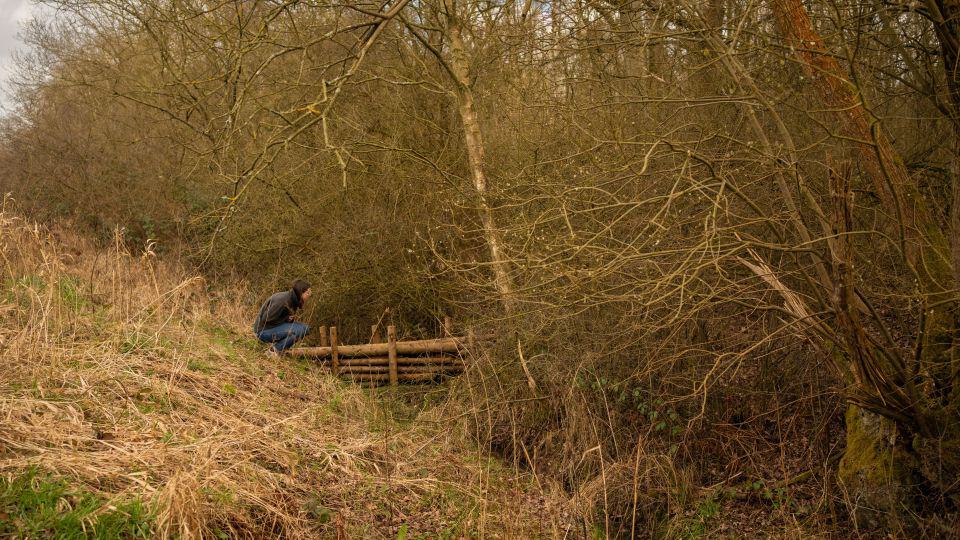
The effects of climate change, such as drought and extreme heat, can have a devastating effect on our natural environment. This is why the restoration of bogs and wetland habitats is so essential – to build lasting resilience into our landscapes year-round.
At Environment Bank, our high-integrity nature restoration work ensures that our bog and wetland habitats thrive even in the face of adverse weather events. This ripples out across wider ecosystems, protecting people and our planet for years to come.
As summer draws to a close and autumn begins, we’d love to share more about the importance of these habitats and the impact of our work.
What are bogs?
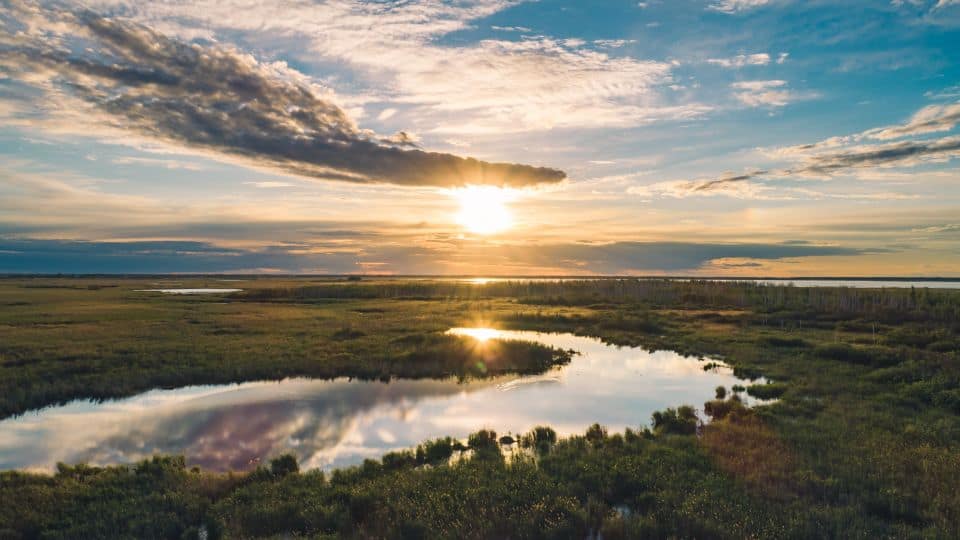
Bogs are wetland habitats that are typically found in colder climates. They’re made up primarily of peat – partially decayed organic matter and vegetation – and are ombrotrophic, meaning they receive most of their water from rainfall.
As rainfall doesn’t carry large quantities of minerals, bogs subsequently develop nutrient-poor conditions. This, and their high acidity, give these wetland habitats their priority status as bogs support rare, specialised plants that have adapted specifically to these environments – such as sphagnum moss, bog asphodel, and crowberry.
What benefits do bogs bring?
Bogs create a vast number of ecological and social benefits, which is why their conservation is so crucial.
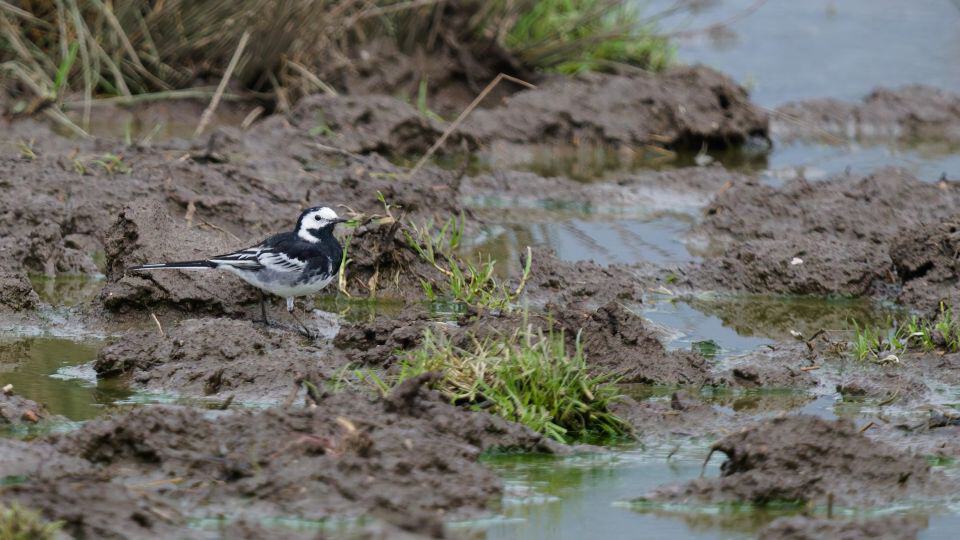
They support a wide range of wildlife, including many specialised plant species that cannot survive elsewhere and are legally protected under UK and European Law. These biodiverse habitats also provide crucial resources and nesting opportunities for migratory birds, as well as supporting amphibians such as frogs and newts.
As well as their broad ecological benefits, bogs generate huge social value for local communities and wider populations – especially in building flood resilience. Their soil can absorb vast amounts of water, significantly reducing flood risks and protecting local infrastructure and land.
Maintaining healthy plant biodiversity in bogs is also an important contributor to their natural flood mitigation abilities. The presence of vegetation slows down the rate of rainfall and some plant species, such as sphagnum moss, can absorb up to twenty times their weight in water – helping to further prevent the risks and impacts of flooding!
Another little-known fact about bogs is that they are powerhouses in carbon sequestration. The peat stores huge amounts of carbon, drawn from the atmosphere via photosynthesis, which cannot be released due to bogs’ waterlogged and oxygen-depleted conditions. Despite only covering three percent of the Earth’s surface, peatlands actually store twice the amount of carbon than all the world’s forests!
Restoring wetlands at Bog Hall Habitat Bank
Environment Bank’s mission centres around the restoration and revitalisation of vital habitats, such as bogs, and creating opportunities for local communities to engage with and benefit from nature.
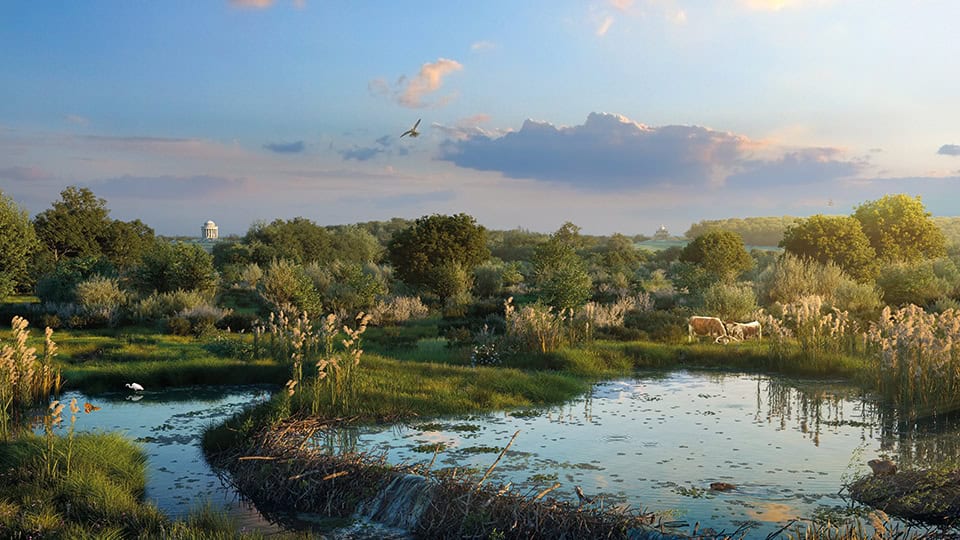
The wide range of ecological and social benefits that bogs generate naturally led to our creation of Bog Hall Habitat Bank – our flagship 440-acre nature restoration project that sits on the historic Castle Howard Estate in North Yorkshire.
Bog Hall Habitat Bank sits within the Howardian Hills National Landscape, a designated Site of Importance for Nature Conservation (SINC). The site’s waterlogged conditions make it the perfect place for a high-impact, large scale nature restoration project, as the land’s wetness is unsuitable for agricultural farming but holds immense value for habitat enhancement.
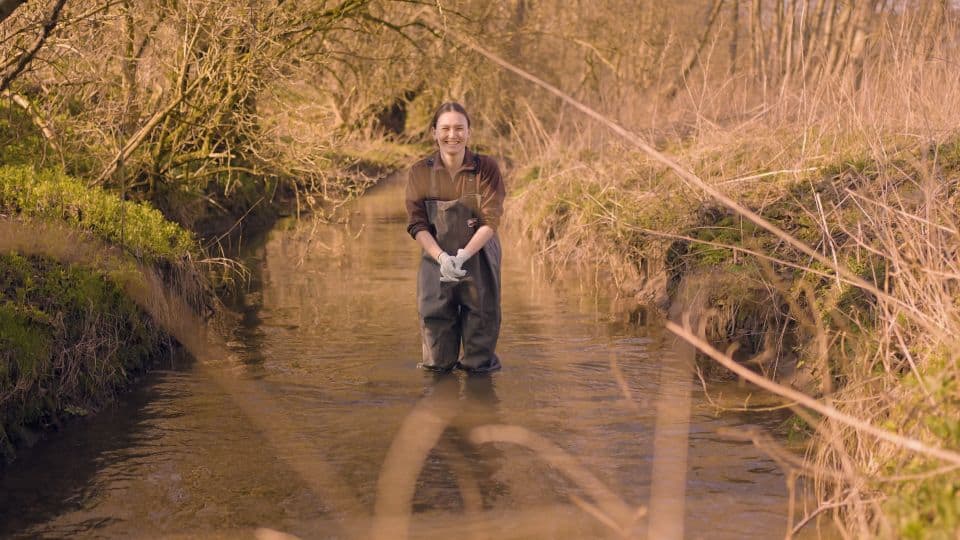
Our expert in-house team of ecologists are carefully enhancing the site’s wetlands, including a beaver release in autumn 2026, and are carefully monitoring the site’s success through techniques such as on-the-ground surveys and environmental DNA (eDNA) analysis.
Our expert management of the land will not only restore biodiversity and support essential flora and fauna but will also engage local communities with nature and protect surrounding areas from the effects of climate change.
How you can support essential wetland recovery
At Environment Bank, we know that simply offsetting our current impacts on nature is not enough. In order to mitigate the impacts of climate change and build long-term resilience into our landscapes, we must address our nature-related dependencies and restore what has already been lost.
Our strategic Nature-based Solutions enable businesses to support our high integrity nature restoration work at sites such as Bog Hall Habitat Bank, helping us to tackle the effects of climate change, bolster essential supply chains, and help companies to meet wider social and environmental obligations.
It is not only the future of the planet that we’re working to protect, but also the future of business. As corporations realise the impacts and threats caused by their nature-related dependencies, it’s clear that supporting nature restoration and vital wetland recovery is the only way to protect business operations and economic returns.