Landowner BNG partnership: Wymondham Habitat Bank
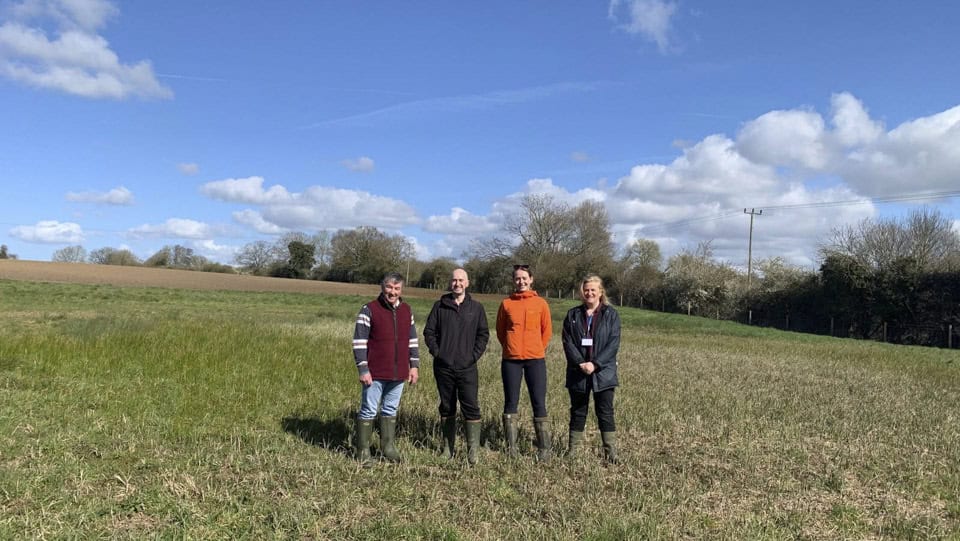
After running a vineyard for twenty-five years in South Africa, Stephen Richardson returned to his family farm in Ashwellthorpe, near Wymondham, to spend more time with his family and gain long-term financial security through his creation of a Biodiversity Net Gain (BNG) Habitat Bank.
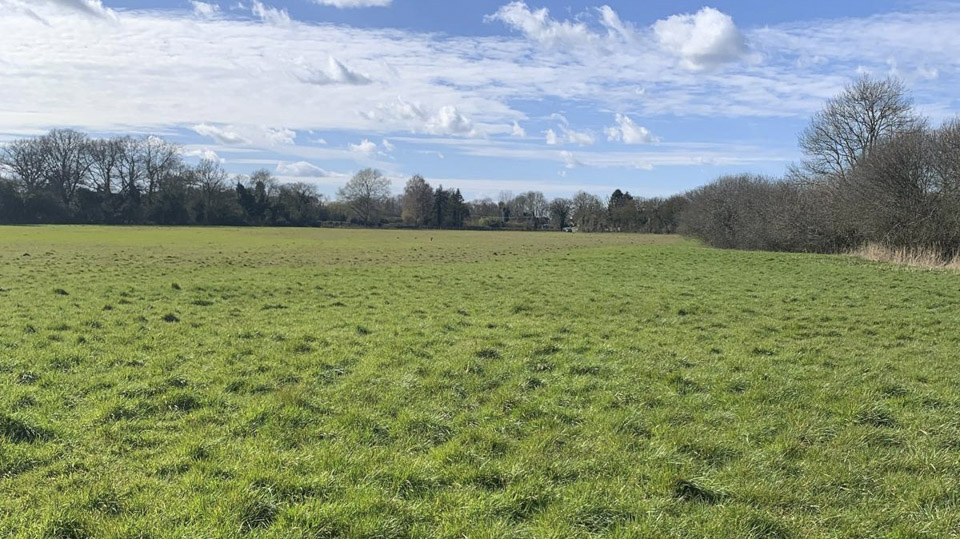
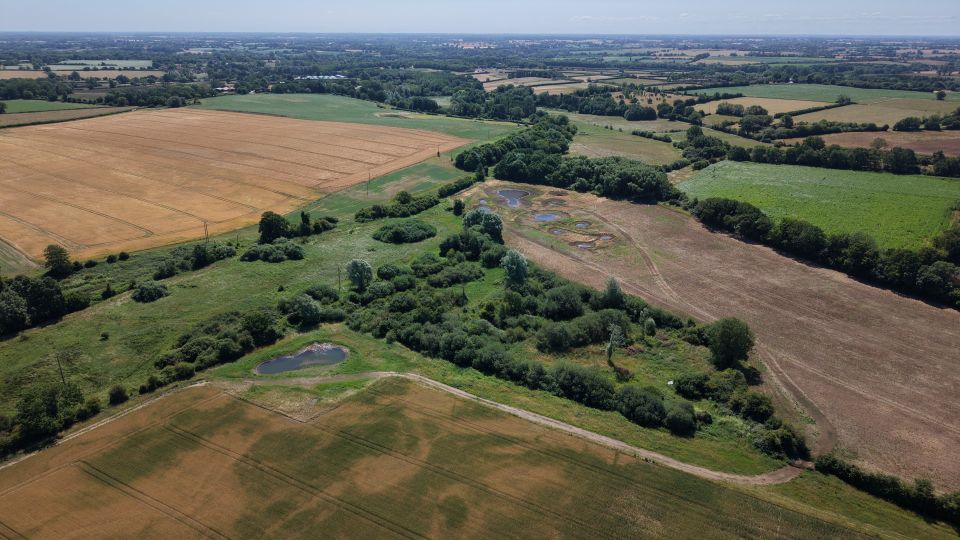
Stephen reached out to Environment Bank in 2023, and we have since created a thriving nature restoration project that spans over fifty-five acres of his least productive farmland.
As well as supporting a wide variety of rare native species, such as black poplar and the very rare narrow-mouthed whorl snail, Wymondham Habitat Bank is enabling Stephen to gain long-term security and de-risk his farm business.
What made you consider a BNG Habitat Bank for your land?
“Traditional farming wasn’t an option for me because of the insecurity it brings. The EU’s former agricultural subsidies are dwindling and gaining a stable income from agriculture is getting harder – especially as this particular parcel of land wasn’t consistently growing the crops that I needed.
Creating a Habitat Bank here seemed like a no-brainer, as I would be guaranteed a steady stream of income for the next thirty years and the quality of the land will vastly improve.”
Why did you choose to partner with Environment Bank?
“Habitat banking is very different to the farming that I’m used to – so I wanted to make sure that I got support throughout the whole process. That’s why I chose to work with Environment Bank.
The lease and the management fee were in place from the beginning, and Environment Bank is paying for the majority of our capital works. They also have an in-house team of ecologists so I know that my land is being well taken care of and we’re supporting lots of local wildlife.”
How will the land change over time?
“Environment Bank’s ecologists surveyed the existing species to see what sort of biodiversity uplift could be achieved on our land. We had six fields that we hoped to use for planting or some other nature scheme, and Environment Bank chose four of them.
We’re right on the edge of the High Weald in East Sussex and we have areas of Ghyll woodland which are typical of the area. So far, we’ve done some edge planting with scrubby species to join up the woodland, including some places where it was removed in the past, and create connections between the woodland and habitats in the fields.
We’re currently managing the Habitat Bank with sheep grazing in the winter and hay cuts in the summer, which is working especially well for all the wildflower meadows, and we have plans to dig new ponds this autumn, so it’ll be interesting to see what happens for the wildlife!”

What advice would you give to other farmers?
“If you’re not seeing consistency with your crops or income, you should definitely look into starting a BNG Habitat Bank. It’s a great way to safeguard your farm for a long period of time where you may not have been making a profit originally.”
