National water vole survey launches
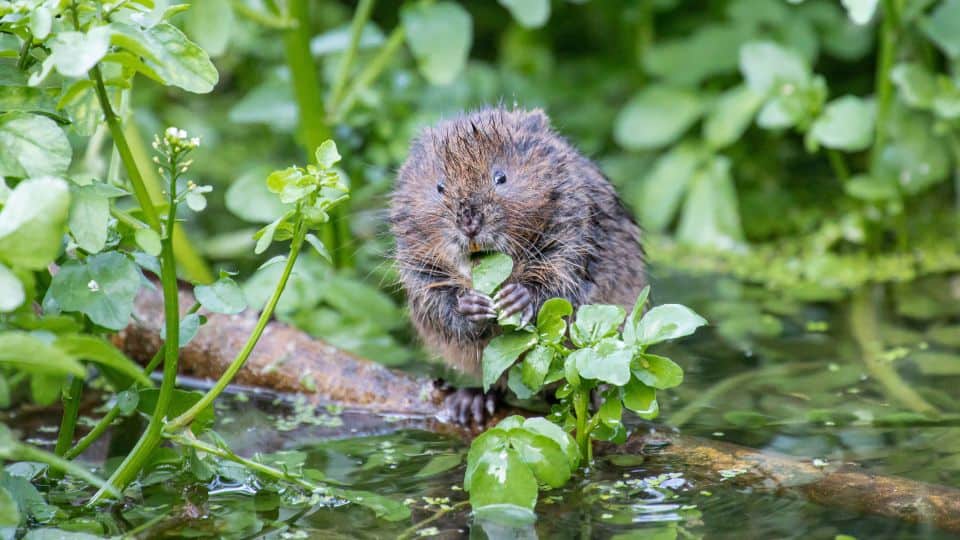
The national water vole survey – an annual assessment taking place from 15th April to 15th June – starts today! This is a crucial part of the collective conservation effort that is currently spreading across the UK, focused on protecting and restoring these staples of British wildlife.
Water vole are incredibly important for maintaining our biodiversity – specifically in watercourses – but they are also one of the most declined wildlife species in England.
Environment Bank’s mission is to restore habitats and increase wildlife populations across our national network of Habitat Banks. This survey represents a huge step forward in nature restoration, and we’d love to take some time to discuss this wonderful species further.
What are water vole?
Water vole are semi-aquatic rodents native to the UK and are found along well-vegetated riverbanks in their complex burrow systems (which are about the same size as a Pringles tube!)
Despite weighing in at only 150-300g, these creatures have certainly made an impression – even inspiring the beloved character ‘Ratty’ in Kenneth Grahame’s The Wind in the Willows.
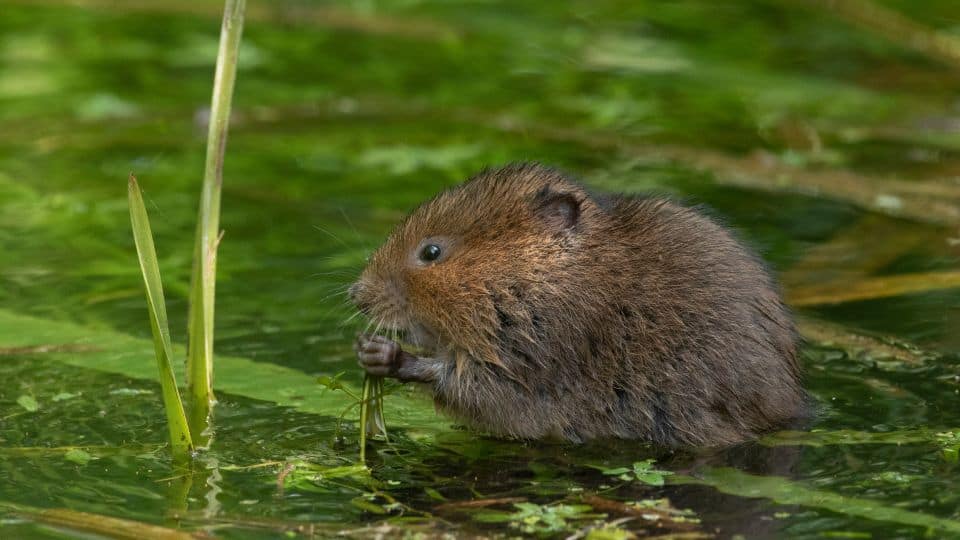
Water vole are often referred to as ‘ecological engineers’ because of their positive impact on our ecosystems. As herbivores, they feed on riverbank vegetation – with over 220 species of plant in their diet – and this helps to disperse seeds and prevent overgrowth.
Their characteristic burrowing also helps to keep watercourse ecosystems healthy, as their digging helps to increase soil quality by promoting microbial activity and draining excess water.
Why do we need the national survey?
Water vole are one of the most declined species in the UK and are currently classified as endangered on the Great British (GB) Red List.
The 1950s saw the initial decline in water vole due to the urbanisation of floodplains, increased development destroying habitats, and intensified agriculture damaging riverside vegetation.
In the 1980s-90s water vole saw a new, and even greater, threat – American mink. These carnivorous mammals are invasive to England and were originally introduced in fur farms, but their frequent escapes meant that they quickly became a wild predator to water vole.
American mink are vicious semi-aquatic mammals with very little predators in the UK, so they quickly dominated local ecosystems. Their ability to swim and fit into small burrows made water vole an easy target – largely causing the 94% decline in water vole populations since the early 1900s.
Luckily, there has been a huge collective conservation effort in recent years that includes this annual water vole survey. This is crucial to protecting and restoring national populations of water vole as it can guide our future ecological plans. There have recently been major strides in their preservation, such as the release of 80 water voles in Cornwall – where they had previously been extinct since the 1990s.
Water vole at our Habitat Banks
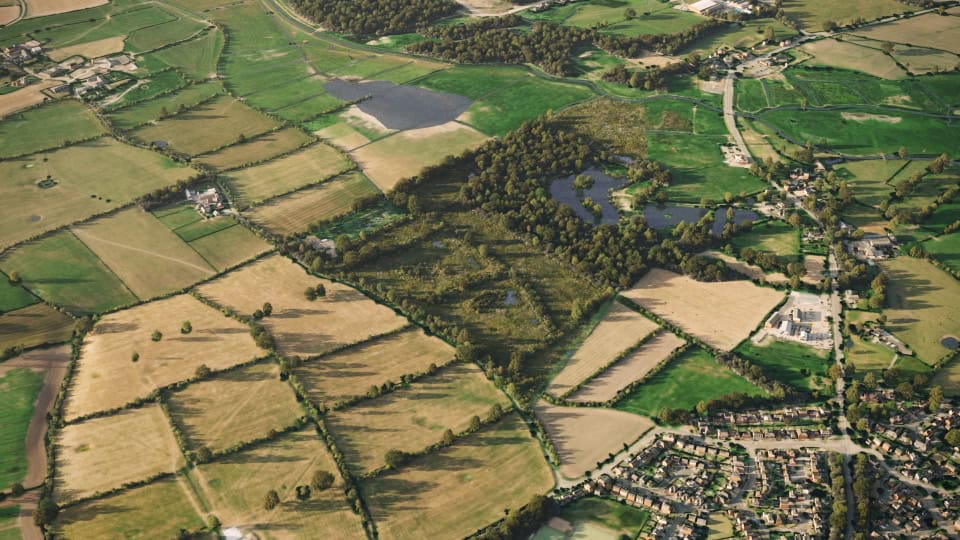
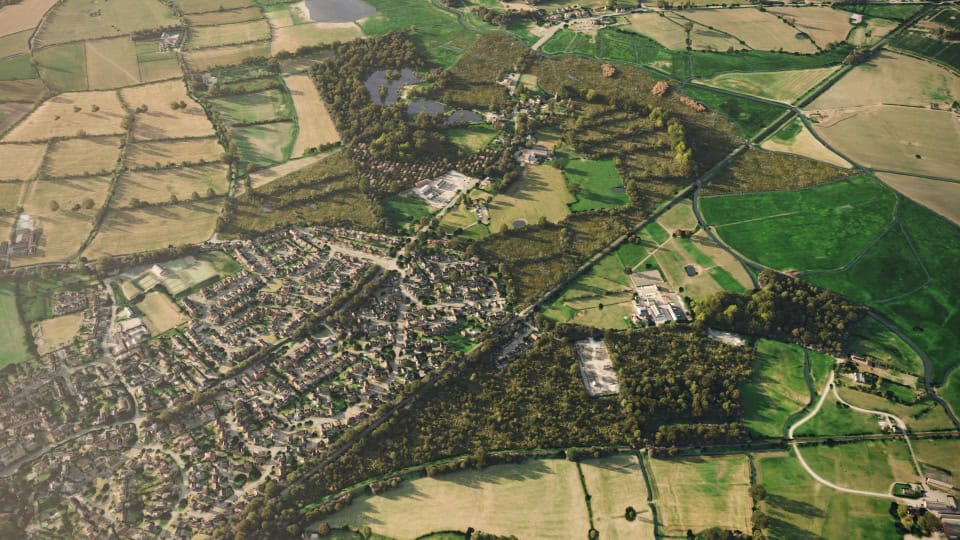
At Environment Bank, we are passionate about restoring habitats and rewilding species across England by supporting developers with their Biodiversity Net Gain (BNG) requirements. This national water vole survey will help us to continue enhancing the biodiversity at our Habitat Banks – and share some of the recent exciting news from our sites.
The wetlands at our Chester and Ellesmere Port Habitat Banks in Cheshire make them the perfect sites to restore water vole populations. We have focused our ecological designs on this endangered species and commissioned wetland specialists from Five Rivers, an environmental consultancy, to help us design their wetland features. We have since incorporated eight ponds, three reedbeds, and seven ditches, as well as enhancing existing ditches to create habitats for water vole.
We have also chosen taller, more species-rich aquatic plants for Chester and Ellesmere Port Habitat Banks to provide cover and food around the sites’ watercourses.
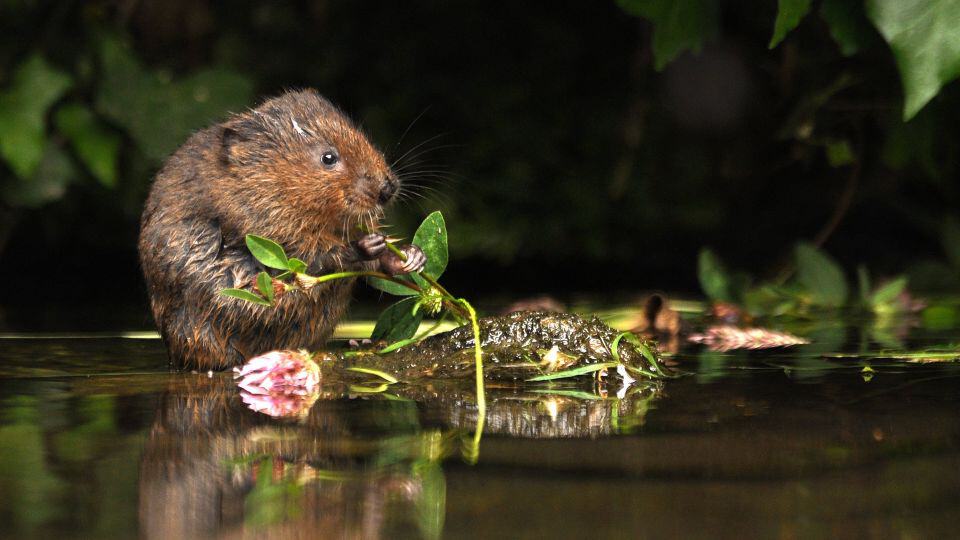
We are starting to see the impacts of our work here – and have even managed to spot native water vole in our camera trap footage!
We’re thrilled about this upcoming survey and the dedication to water vole conservation in England. We’re hoping to see many more water vole thrive at our sites in the years to come!
“We’re nearly doubling the length of ditch which will be suitable for water vole, so we are hoping the population could nearly double over time. I am excited to be creating habitat to help this special little animal that sadly is so threatened in the UK.” – Lynsey Crellin, Principal Ecologist, Environment Bank