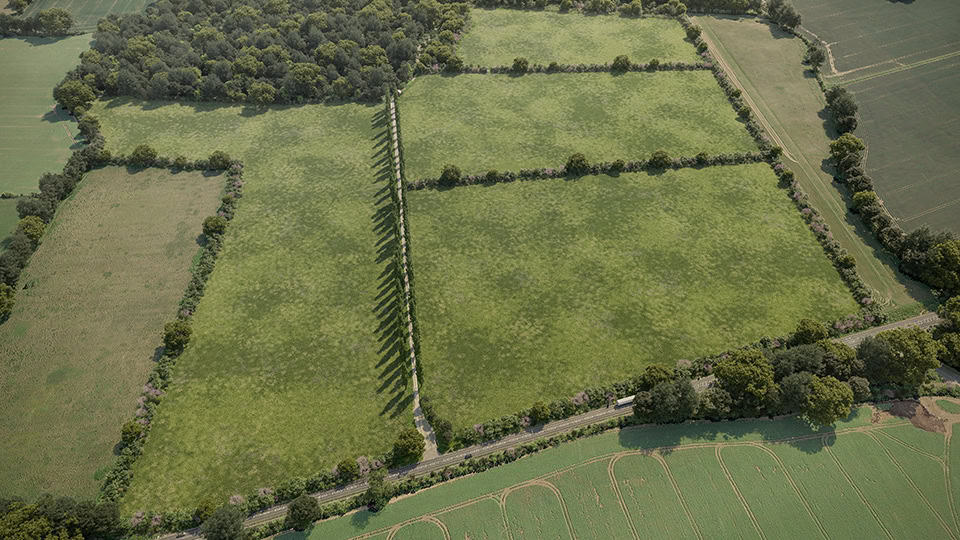
Biodiversity Units supplied for 139 new Redrow homes
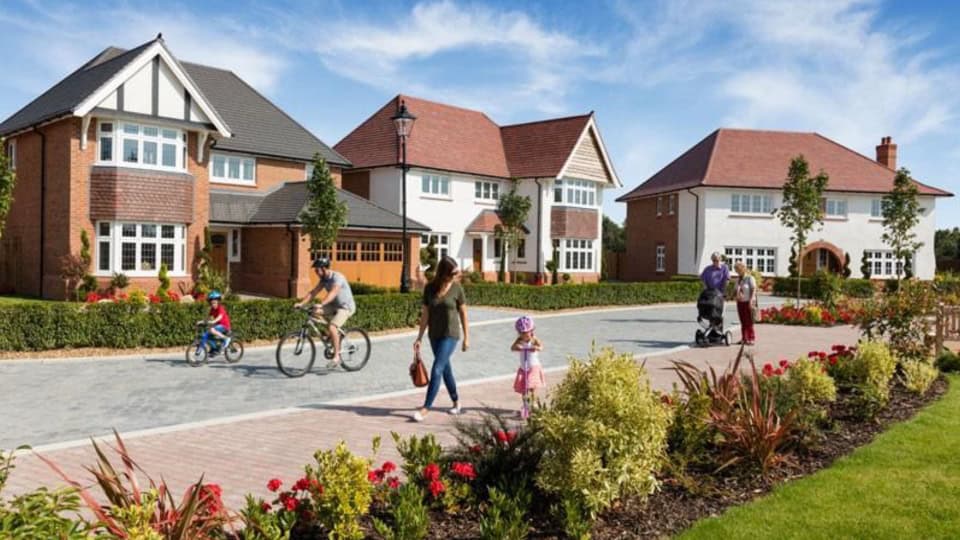
Redrow required an off-site solution to meet the biodiversity requirements for a large residential housing project in Bedfordshire and Environment Bank was able to supply what was needed along with dedicated planning support throughout the process.
About the development project
Redrow was set to build 139 new homes in a mix of sizes and types on a four-hectare plot in Harlington, Bedfordshire to provide much-needed market and affordable housing for local people.
This new development, Pilgrims Close, was specifically designed with sustainability and green infrastructure in mind – including low carbon technologies and energy efficiency strategies such as air source heat pumps and underground floor heating.
After exploring all possible viable avenues for on-site habitat creation to encourage nature within the built environment, Redrow sought off-site gains to complete its biodiversity requirements – and Environment Bank was able to provide Biodiversity Units that were local to Pilgrims Close.
By choosing a local, off-site solution, Redrow maintained and maximised access to green spaces for its residents and contributed towards a larger, better-connected nature recovery project nearby – one that has the scale needed to make a real difference for the natural landscape.
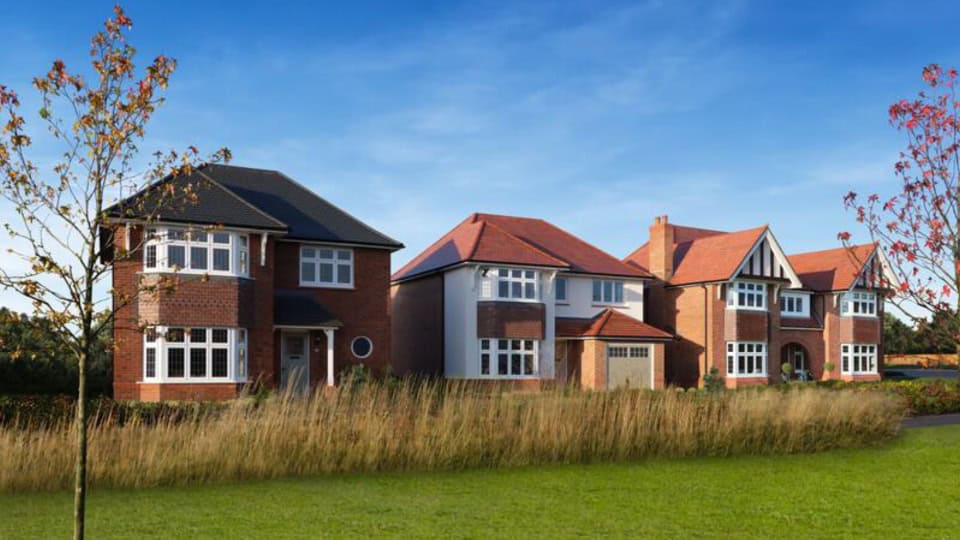
Crucial planning and legal support
When off-site Biodiversity Units reserved from another provider could not be fulfilled, Environment Bank stepped in and supported Redrow in finding a new solution.
With planning already secured, our legal team helped to create a deed of variation to alter the initial agreement to supply Biodiversity Units ourselves.
Our team met with the local ward councillor, the local authority ecologist, and the planning officer to demonstrate how our solution fully satisfied the biodiversity requirements – going above and beyond to ensure that Redrow’s project would be able to go ahead on schedule.
We designed a bespoke reservation agreement and payment schedule that aligned with Redrow’s planning timescales, which included our comprehensive planning and legal support throughout.
An enormous thanks goes to the team at Redrow for working with us. We’re really happy to see this project go ahead so that new homes can be built for local families. Another thank you goes, of course, to everyone at Central Bedfordshire Council for their openness and collaboration on this project.”
Lloyd Collins
Strategic Account Director
Environment Bank
BNG delivered locally
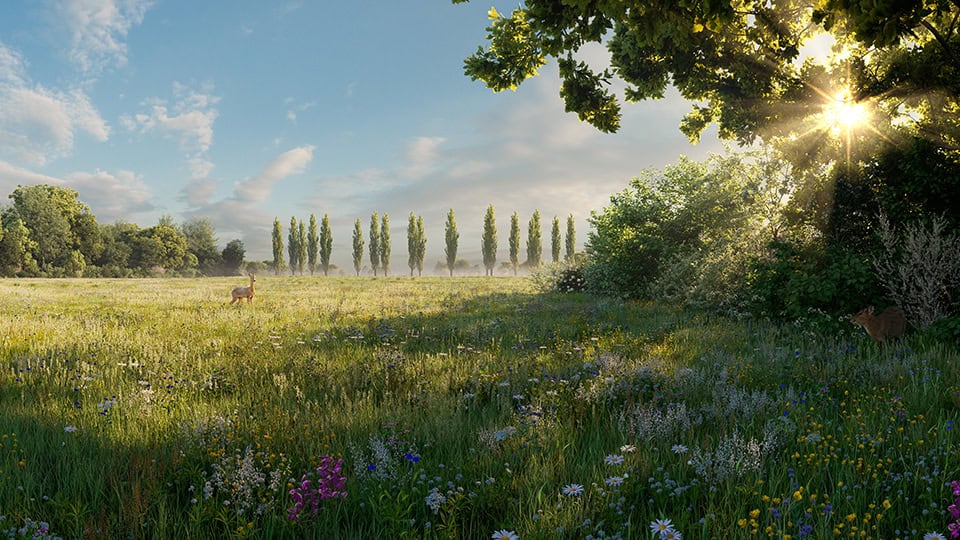
We supplied Redrow with Biodiversity Units in the three habitat types required from our Emberton Habitat Bank. As they were sourced within the same National Character Area (NCA) as the development site, we saved Redrow any additional costs associated with delivering biodiversity gains further away.
Our ecologists began creating Emberton Habitat Bank in 2022 and, since then, we’ve transformed the existing arable fields into a vast mosaic of habitats. We’re anticipating a stark increase in the health of the soil as the land is restored, which will in turn improve flood mitigation, carbon sequestration, water health, and air quality for the wider area.
We hope to encourage rare species such as nightingales, garden warblers, and turtle doves to make their home here over the coming years. The Habitat Bank has footbaths along its northern boundary so members of the local community will truly be able to benefit from the increasing biodiversity on their doorstep.