Farmer partnership for BNG: Heighington Habitat Bank
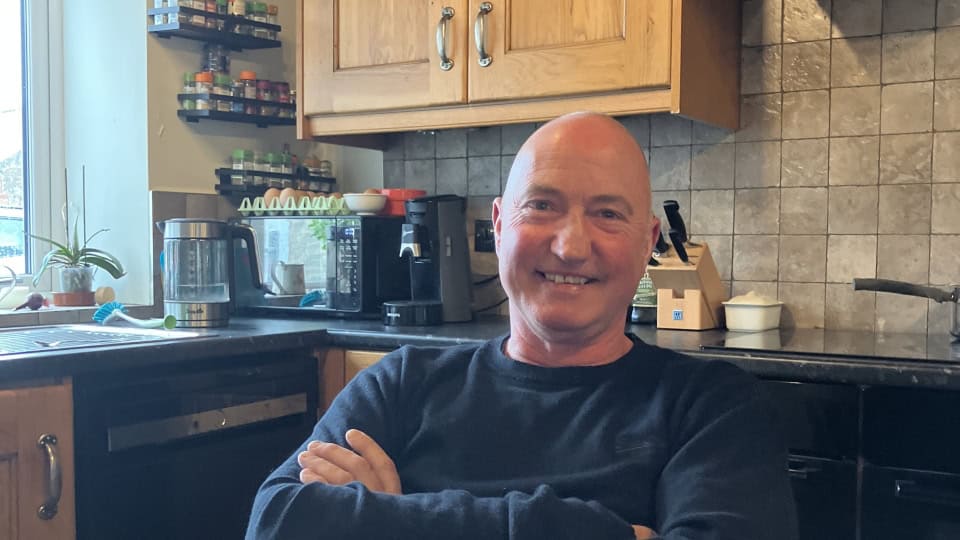
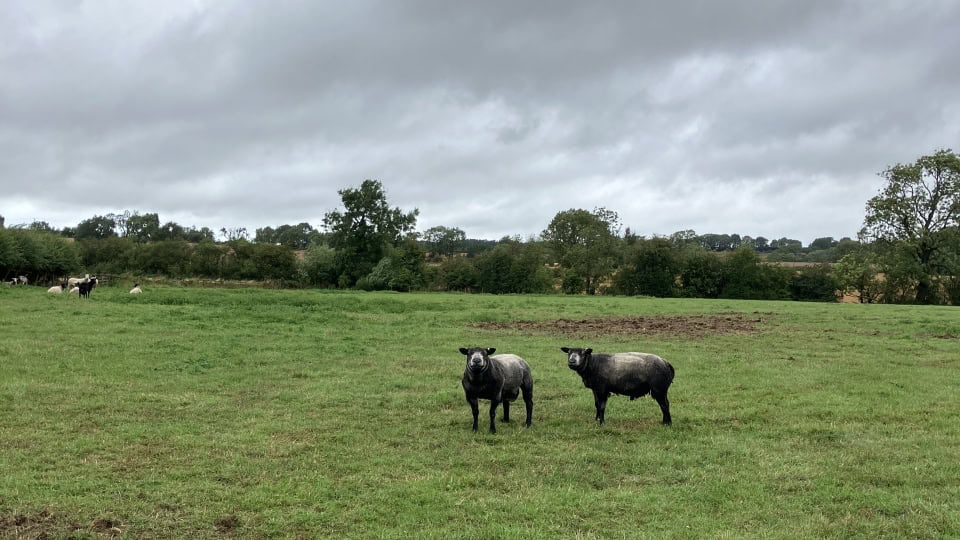
On a 300-acre land holding in County Durham owned by the Church of England, Richard Routledge’s family have been tenant farmers since 1889, managing four arable fields and one permanent pasture currently grazed by two hundred sheep.
After purchasing almost sixty acres of the holding in 1982 and managing the land under stewardship schemes for the past two decades, Richard wanted a land diversification income stream that provided long-term financial security – and through Environment Bank, he discovered the incredibly opportunity offered by Biodiversity Net Gain (BNG).
Heighington Habitat Bank went live on New Year’s Day in 2022 and, since then, has provided a financial lifeline to help secure the future of Walworth Moor Farm for Richard’s family and future generations.
What made you consider a BNG Habitat Bank for your land?
“I wasn’t really interested in the commercial side of BNG to be honest. I was just looking to focus on farming and find out what BNG could do for us.
I’m getting older, I find it hard work managing the sheep, and I don’t have a massive land holding so I can’t say ‘you can take fifty acres of my land and do what you want with it,’ because it’s going to have a massive impact on me.
When we first went into the stewardship, it was presented as – you can farm and help the environment and get paid. You get basically the same with BNG, only the payments are better and you get long-term security. I can still farm. It’s good for the environment. I’m getting paid. So, it’s a win-win.
So, the funding and the security were my main reasons for considering a BNG Habitat Bank, as well as – probably a long way down the list – the environmental impact.
If creating a Habitat Bank is going to protect and restore our damaged soil structures over the next thirty years, then that must be a good thing for the future of our farm.”
Why did you choose to partner with Environment Bank?
“BNG was too complicated for me to take on myself and figure out how to sell Biodiversity Units so, once I’d found out about Environment Bank, I didn’t really look at other providers.
There’s always a sensible conversation I’ve found to be had with dealing with Environment Bank. If I ever have something else in mind, the land team come back to me and we discuss how to work around it, so everything is mutually beneficial. And it’s a thirty-year agreement and I have a son and a daughter, so it was important to have that sort of flexibility so that things can change if they want.
The best thing about working with Environment Bank is that your future is set out and your payments are sound. In terms of the management, the fact that the money is ringfenced and guaranteed helps a lot. You don’t have to worry about things changing in the future so it’s easier to plan.
After two years into our thirty-three-year agreement with Environment Bank, we became entitled to receive all their future rent payments upfront as lump sum. I initially thought I wouldn’t take the lump sum because I thought I’d get massively taxed, but my accountant said that because it’s been set out over thirty years, I wouldn’t have to pay capital gains tax on it.”
How have you found the early process of setting up a BNG Habitat Bank?
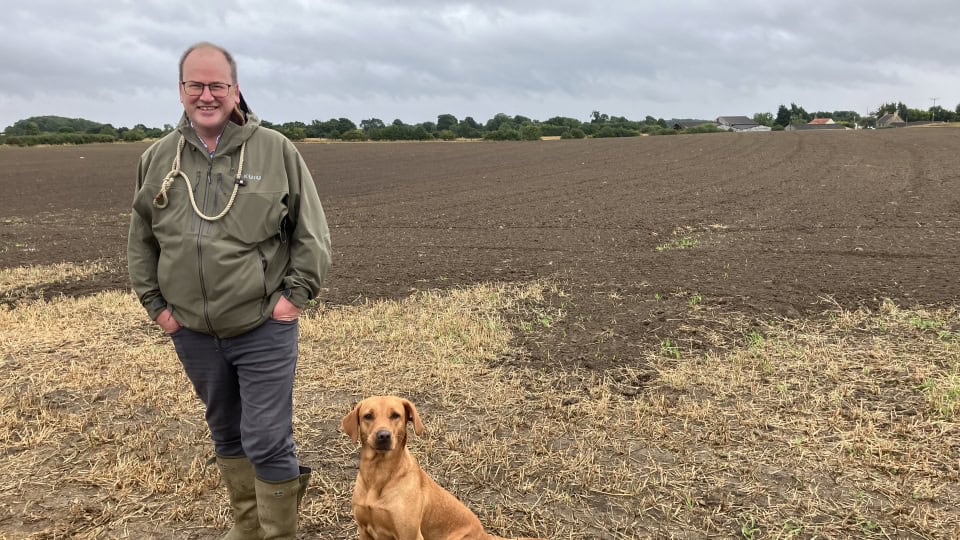
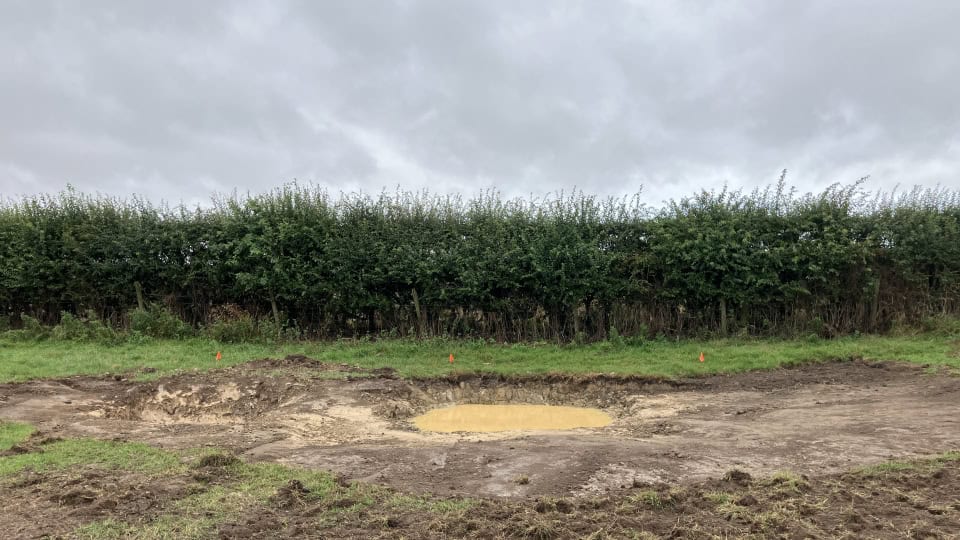
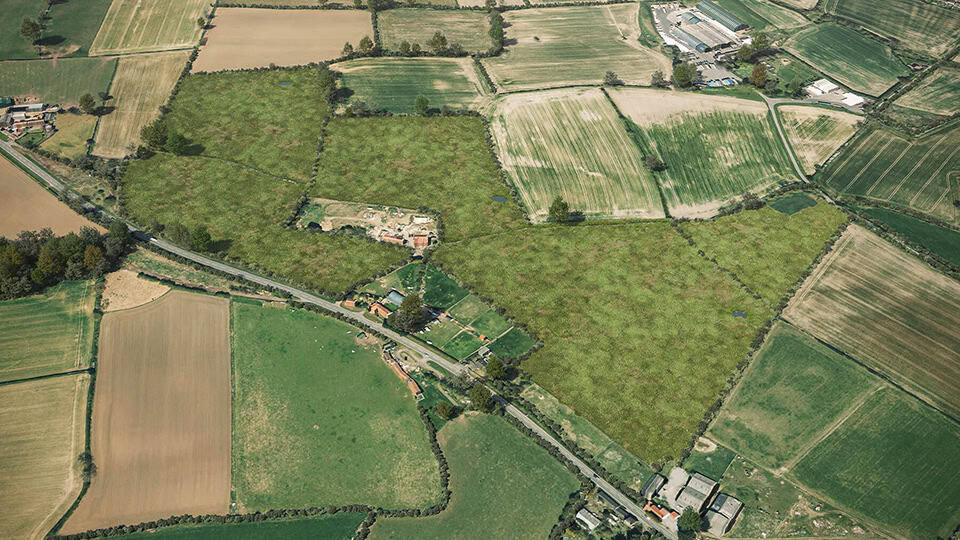
“I found it fairly easy to be honest. I did the capital works for the ponds myself, so I’ll get additional payments for that. We’ve put the five ponds in now, and there’s only one pond left to finish once the fencing is done.
We’ll shortly be introducing cattle which we haven’t had in our system for fifteen years. I know it’s going to be well-fenced, and we’ll have a system put in place, but it’s still hard work, so I want to get some very quiet Galloways or Angus – the easier the better. We’ll be able to have that conversation with Environment Bank’s team who can help.”
How is your land expected to change over the coming years?
“Our farm manager’s dad walks his dog around our fields, he loves nature, and he’s sent me videos of all these birds and butterflies which are returning to the site and it is a marvellous sight to see – and the fact that we’re getting paid for it as well through BNG is even better.
When we first discussed working with Environment Bank, our whole farm was covered in thistles and nettles, and my partner and I walked right to the top of our fields where you can see all the way down Tees Valley and she said to me – ‘if we can get it established right, this will look stunning.’”
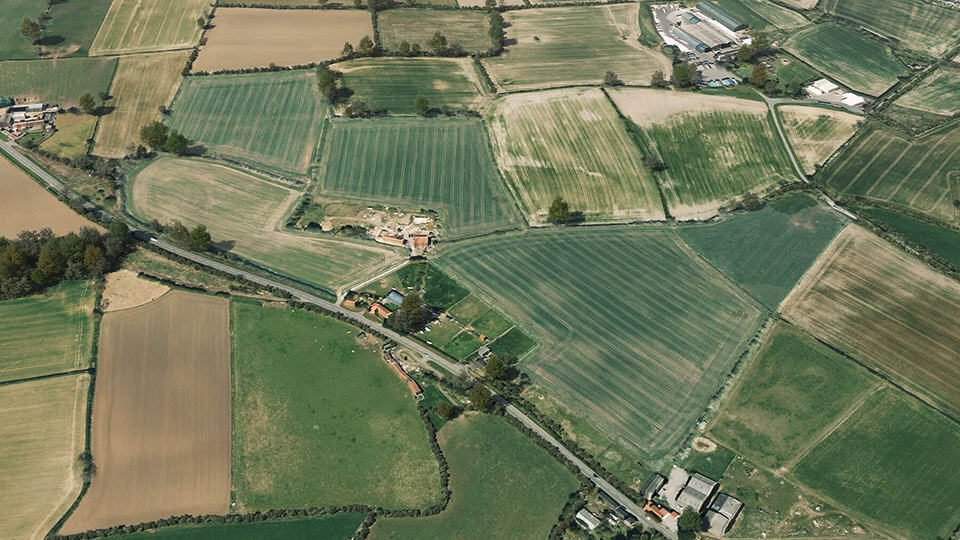
How will these changes benefit your land and farming business?
“In the last five harvests, we’ve probably had two good ones and a lot flooded out – and we’re not changing anything, it’s all to do with the weather. Farming is absolutely becoming harder with climate change. If it doesn’t rain at the right time, it makes a difference.
Not cultivating the land intensively will improve the soil structure and preserve it so future generations can farm it if they want to. My son is going to New Zealand in October to work on a sheep farm. I’m not bothered if he eventually takes over our farm though, as long as he’s happy, but this will give him the option.”
What advice would you give to others considering BNG?
“On a farm like ours, which isn’t the greatest, BNG and stewardships are the way I can pay my rent. If I don’t get invited into the stewardship next year, something’s going to have to happen because we wouldn’t survive through farming alone.
The future of farming is so up in the air and it’s a very individualistic thing so it’s hard to recommend schemes to farmers because every farm is its own world, but if someone asked me how I’m getting on with Environment Bank, I’d say very well, and I would recommend BNG because I have had very few issues.”