Landowner BNG partnership: Coney Weston Habitat Bank
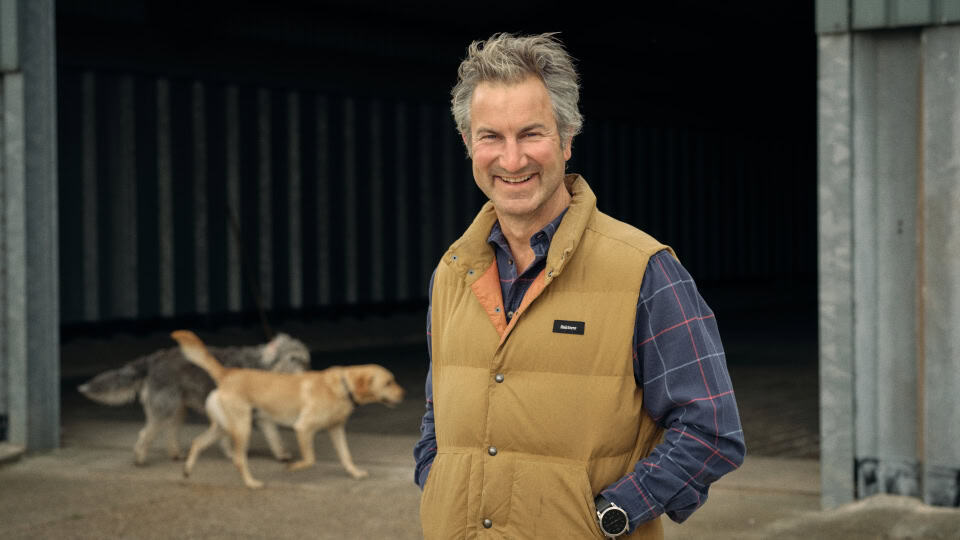
Second-generation farmer and recipient of the Ian MacNicol Farm Conservation Award, James Bucher, was looking for a way to de-risk his sustainable farming and agroforestry enterprise in Knettishall, Suffolk.
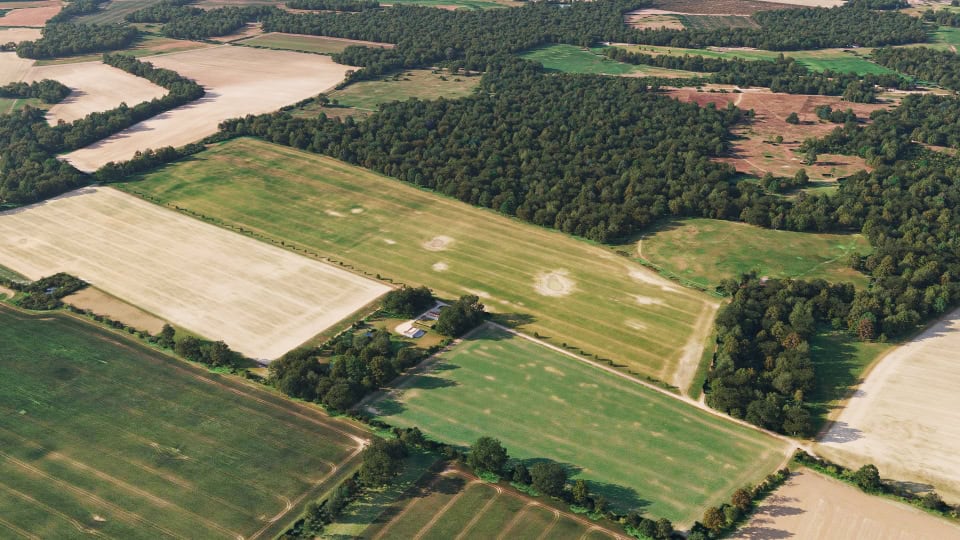
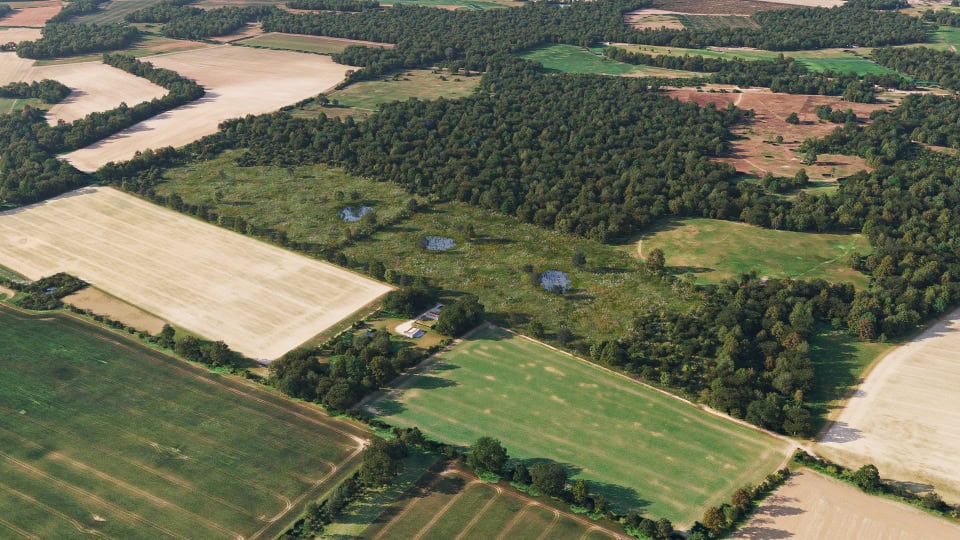
After first reaching out in 2023 to explore his options, James partnered with Environment Bank to take 50-acres of his least productive land and create a BNG Habitat Bank which went live in spring 2025.
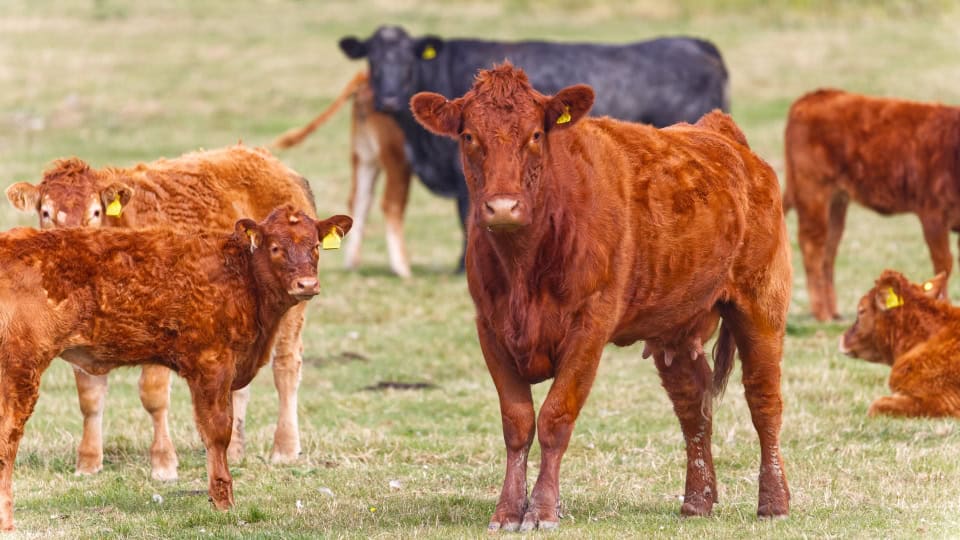
James worked together with our team of ecologists and land managers to design something that would really complement his land business – including incorporating James’ herd of Red Poll cattle into the habitat management plan using sustainable grazing.
What made you consider a BNG Habitat Bank for your land?
“The farming world is currently facing low crop prices and the withdrawal of other subsidies. I was interested in BNG for its environmental potential and the long-term income security it could provide for my marginal, less-profitable arable land.
I have always been interested in conservation, but this is really exciting because it’s large-scale with a 30-year commitment so we should see some really fantastic results, especially with the Habitat Bank being right next to Knettishall Heath Nature Reserve.
This is marginal land that does not produce fantastic yields with arable crops, so both the location and the quality of the soil lends itself to something like BNG.”
BNG has de-risked the business. We are getting a guaranteed rental payment and management payment for the next thirty years.
Why did you choose to partner with Environment Bank?
“In a good year on that field, growing an arable crop would probably return half of what we are getting paid through Environment Bank. We are never going to achieve those sorts of figures with arable crops, so to take some marginal land out of production makes sense to me. You cannot keep flogging a dead horse.
The really exciting thing is these guys at Environment Bank have got the expertise to guide this and we can create something really effective rather than a stewardship agreement, which is great for wildlife in the short-term, but which might not necessarily be targeting the species that the area is lacking or suited to.”
What changes are you seeing for your land and farm business?
“It has de-risked the business. We are getting a guaranteed rental payment and management payment for the next thirty years.
Our BNG Habitat Bank has taken about a twentieth of the farm out of production, so it is not a massive area, but it is a guaranteed source of income at a time when government support is waning, and commodity prices are as low as they have ever been.
Environment Bank creates the habitats, and we get a rental payment per hectare for the field, which is good at today’s prices – it’s a guaranteed return. With unpredictable weather and commodity prices, it’s nice to have some surety.
What I am hoping is that in ten to fifteen years’ time there could also be some significant agrotourism opportunities to be tagged alongside the Habitat Bank, like glamping and bird watching.”