SES Water project unlocked with off-site BNG
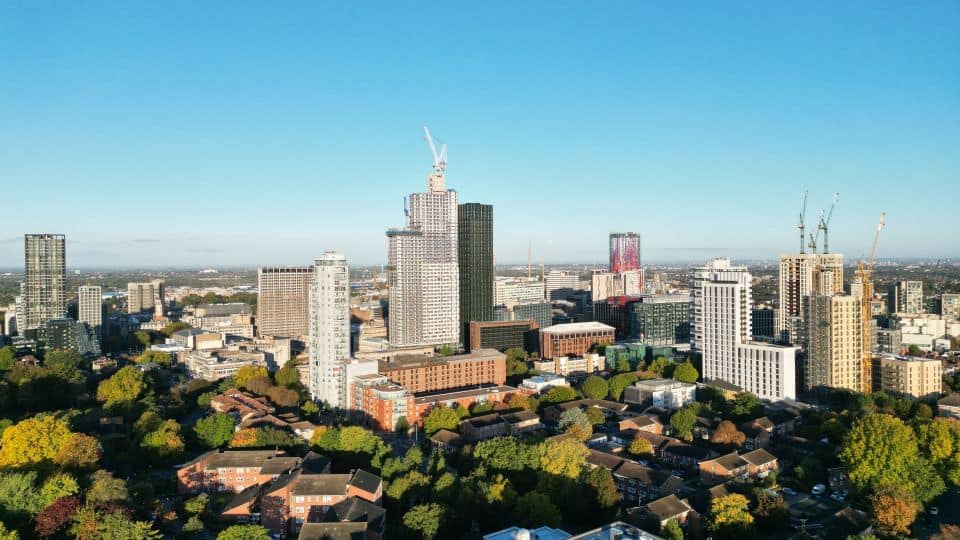
To meet the Biodiversity Net Gain (BNG) requirement for the installation of an essential booster pumping station and associated works in Croydon, SES Water chose Environment Bank to supply off-site Biodiversity Units.
About the development project
SES Water planned for a new booster pumping station and associated works to be built on Drury Crescent in Croydon. The leading water company distributes 160 million litres of water every day, and this development would support the water supply for more than 20,000 local homes.
With flooding having a significant impact on the local area, the new booster pumping station would act as an essential safeguard, building the resilience of the local water distribution network and helping to mitigate the effects of climate change.
Due to the underground infrastructure present at the development, SES Water was unable to enhance biodiversity on-site to achieve its BNG requirement, so its team contacted Environment Bank to purchase off-site Biodiversity Units.
A cost-effective fractional Biodiversity Unit solution
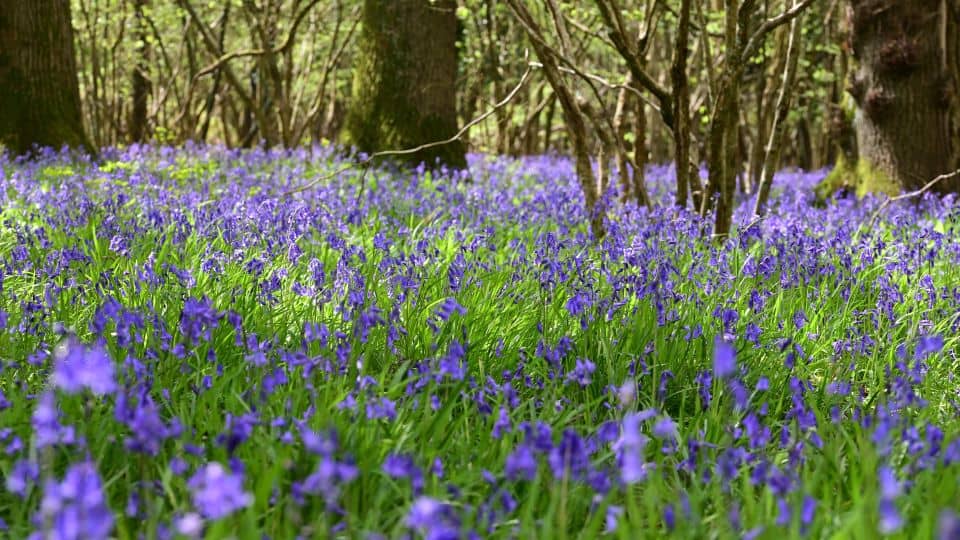
Due to the small scale of the project, SES Water only required fractional Biodiversity Units in lowland meadows and other neutral grassland to fulfil its BNG requirements. Environment Bank was able to supply SES Water with the precise amount required from our Ardingly Habitat Bank, allowing the development to achieve BNG without having to pay for whole Biodiversity Units.
Throughout this process, Environment Bank liaised with SES Water’s consultants at Dalcour Maclaren with whom we already had a fantastic relationship, having helped them deliver BNG solutions for many of their clients in the past.
We worked closely with Dalcour Maclaren and ensured a smooth purchasing process so that Biodiversity Units could be secured well before the development’s on-site start date. Discussions began in October 2024, and Environment Bank had allocated the required Biodiversity Units onto the register by January 2025 – allowing this crucial project to go ahead on time.
When supporting clients with projects that can be so vital for the health and wellbeing of local communities, we’re grateful for Environment Bank’s ongoing support.
There’s a reason that we keep going back to Environment Bank, and that is their expertise and the speed with which they’re able to allocate Biodiversity Units.
Vicks Fishlock
BNG Land Advisor
Dalcour Maclaren
Supporting large-scale habitat restoration in the South East
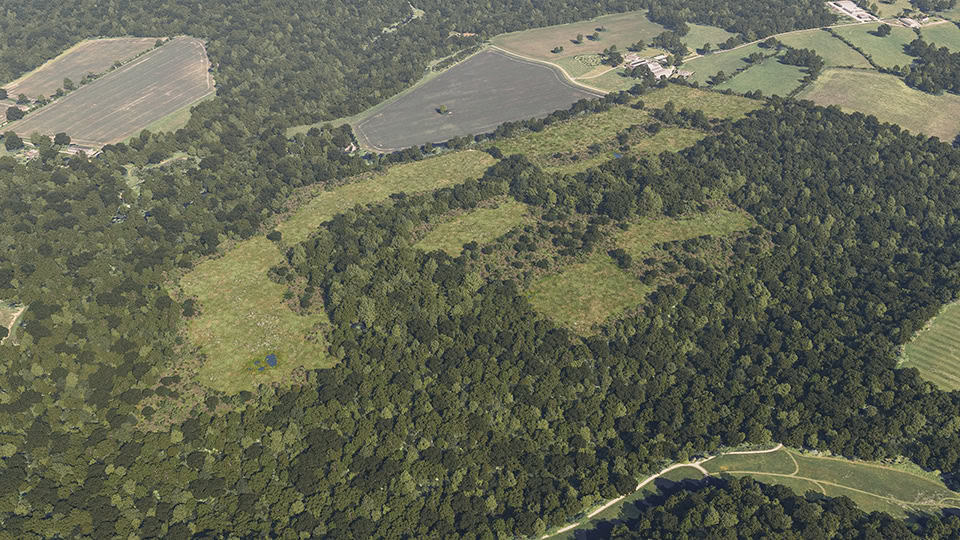
Across more than forty hectares of previously unproductive arable land, Ardingly Habitat Bank is a thriving BNG site where we are transforming the landscape into a diverse range of woodland, wildflower grassland, mixed scrubland, and ponds.
Environment Bank’s own expert ecologists have carefully designed Ardingly Habitat Bank to boost populations of species such as great crested newt, stag beetle, silver-washed fritillary butterfly, and nightingale. This site is also already home to early-purple orchids, a rare plant species.
Our ecologists are also improving the soil’s health at this Habitat Bank by reducing nutrient levels and improving its structure. This will not only increase biodiversity and increase the abundance of local wildlife but also allow for the soil to better store and filter water. This is an essential outcome which will allow the land to become more resilient to the effects of climate change.
“It was fantastic to support SES Water with their off-site BNG requirement and ensure the project could progress as planned. We worked closely with Dalcour Maclaren throughout the process which was a great experience and has helped us build a strong, long-term relationship.
Molly Brealey
Key Account Manager
Environment Bank