Hartlepool Habitat Bank
LPA:
Hartlepool Borough Council
NCA: Durham Magnesian Limestone Plateau
NCA: Durham Magnesian Limestone Plateau
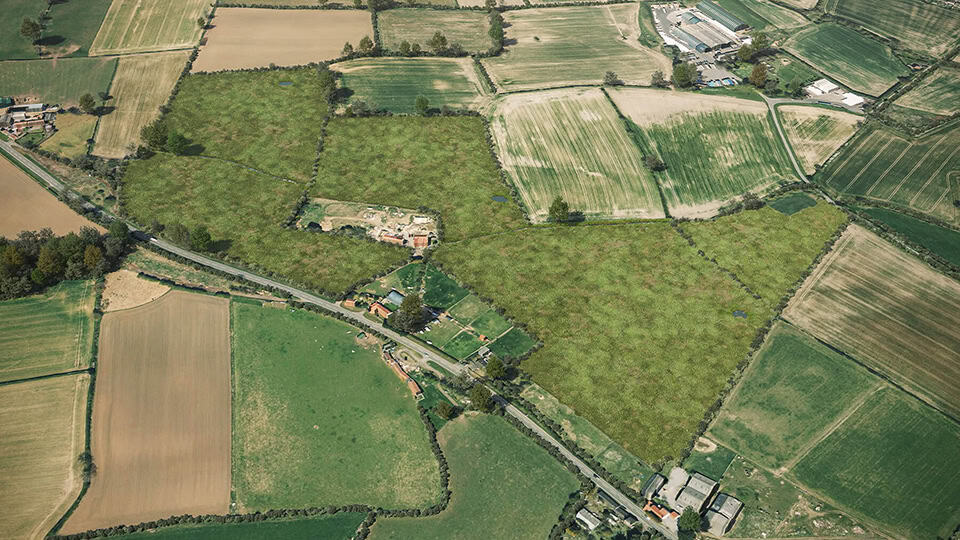
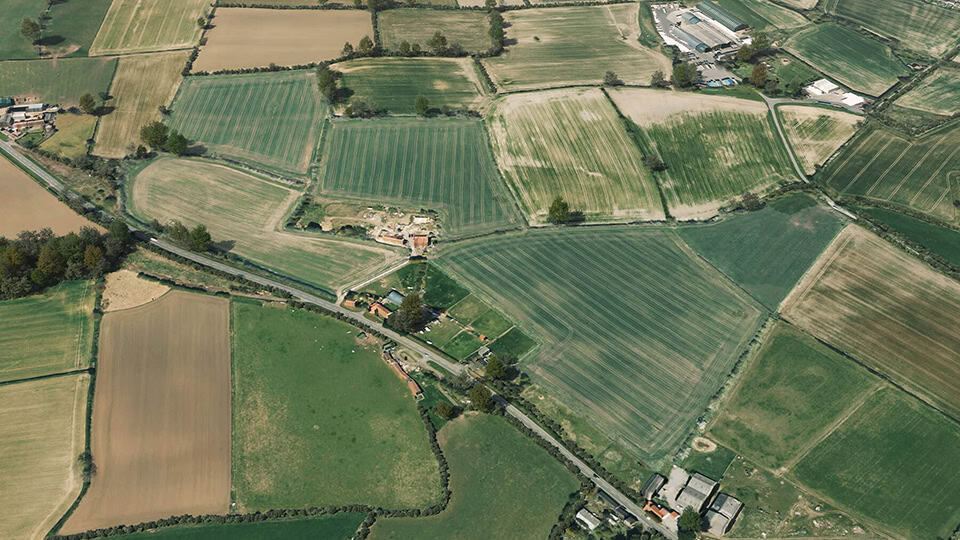
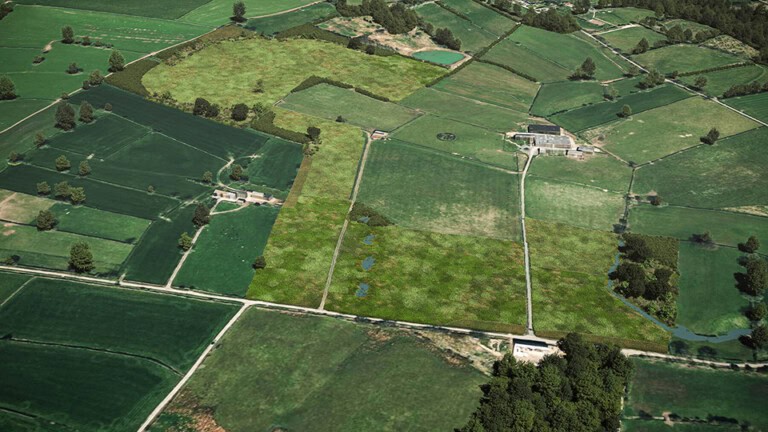
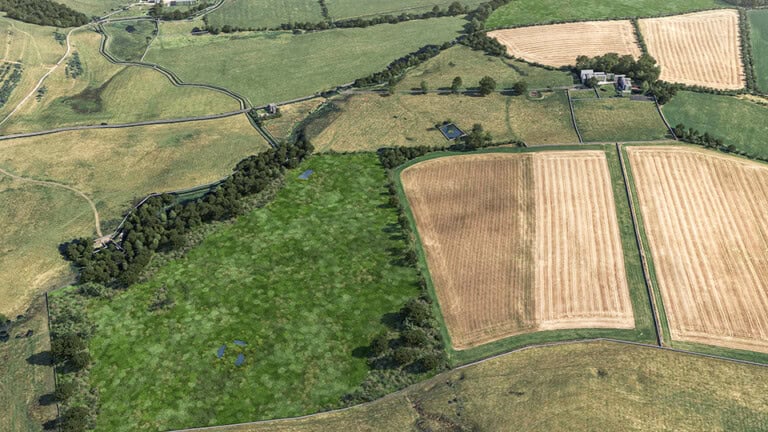
Across nearly fifty acres of arable land and pasture just five miles northwest of Darlington town centre, we are establishing new priority habitats, creating far greater connectivity for native wildlife.
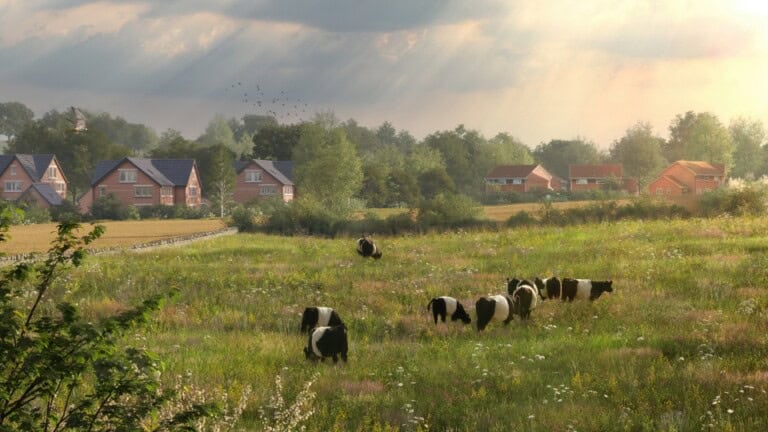
We are eagerly transforming the site into a beautiful expanse of wildflower grassland with a network of natural ponds to support a diverse abundance of pondlife.
Across our network of Habitat Banks, our specialist team always evaluates the land from the outset to determine how we can best achieve our biodiversity gains. This includes assessment of our sites’ native wildlife and existing vegetation, management history, hydrology, geology, and its wider connectivity in the local area.
Using the statutory biodiversity metric, we take baselines for each of our Habitat Banks. We carefully consider and design the best habitats to establish in order to maximise our long-term biodiversity gains.
| Neighbouring LPAs |
|---|
|
Durham County Council
|
|
Stockton-on-Tees Borough Council
|
|
North Yorkshire Council
|
| Neighbouring NCAs |
|---|
|
North York Moors and Cleveland Hills
|
|
Durham Magnesian Limestone Plateau
|
|
Pennine Dales Fringe
|
|
Durham Coalfield Pennine Fringe
|
|
Vale of Mowbray
|
Accessible via two public footpaths from the north and south sides of the Habitat Bank, the space is becoming a wonderful haven that the local community can admire at their leisure – observing the beautiful meadows as they develop over the years.
Traditional lowland hay meadows will benefit the wildlife and increase species diversity. The Habitat Bank has been designed to complement the agricultural character of the surrounding landscape.
As Heighington Habitat Bank sits within an area that suffers from significant risk of surface water flooding, the enhancements our habitats will make to the soil are vital for improving the landscape’s resilience against flooding by improving soil health.
Our habitat enhancements will truly complement existing hedgerows that surround the site’s five fields. Several species of principal importance living in proximity to the Habitat Bank, including skylarks, cuckoos, yellowhammers, lapwings, grey partridges, brown hares, and hedgehogs, will benefit from the new habitats and management changes.
Find out the cost and availability of Biodiversity Units from Heighington Habitat Bank.