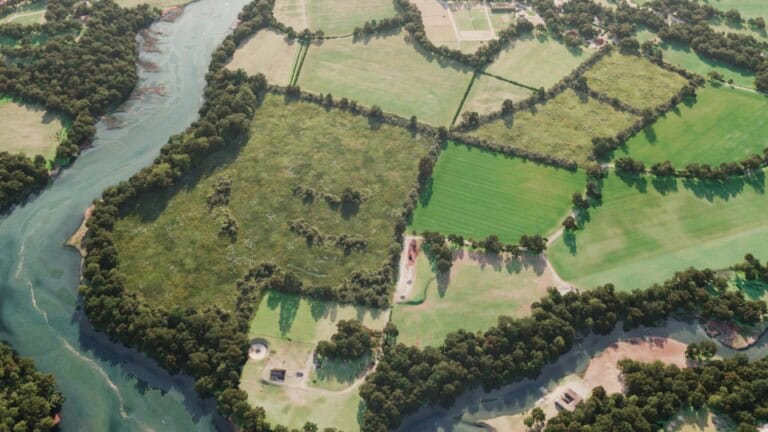
Chiddingfold Habitat Bank
- County
- Surrey
- Local planning authority (LPA)
- Waverley Borough Council
- National Character Area (NCA)
- Low Weald
- Biodiversity gain sites register number
- BGS-300925001
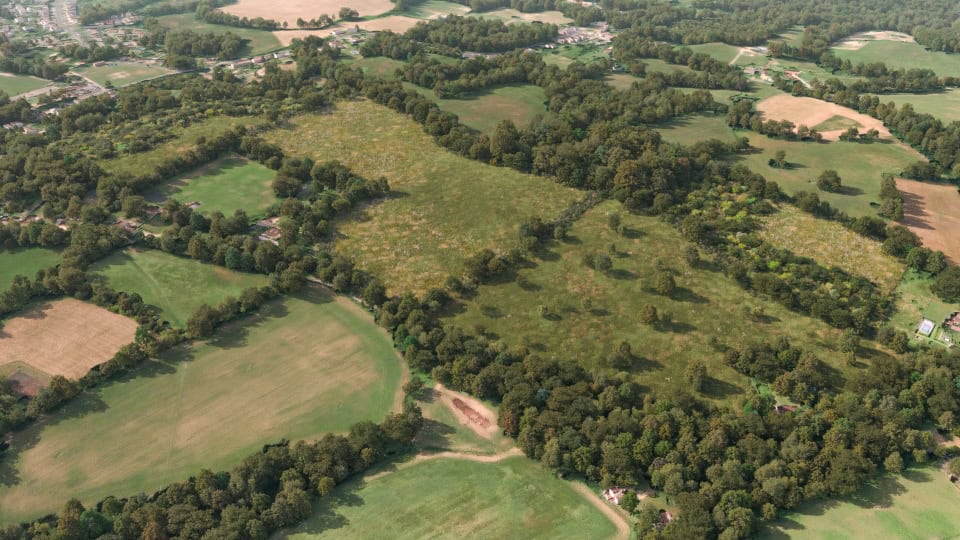
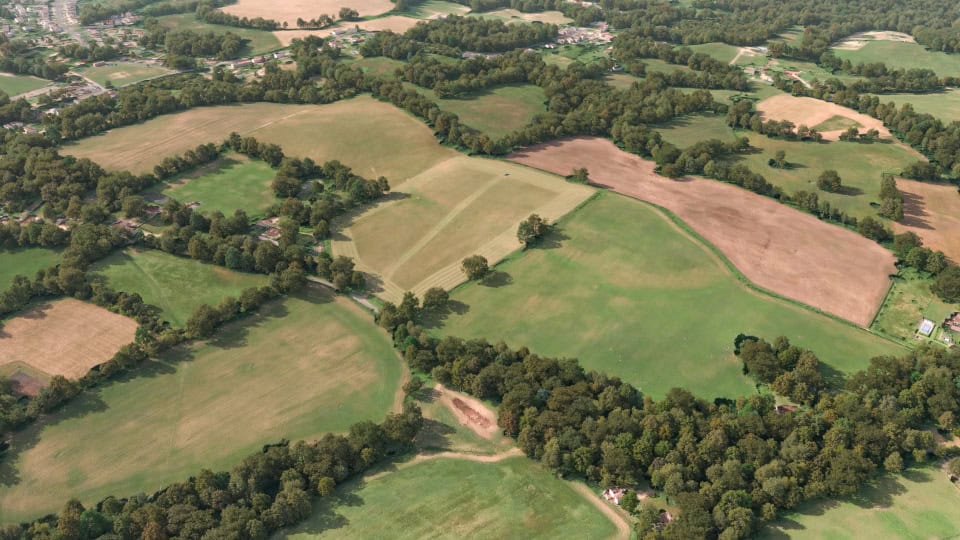
Biodiversity Units
Very high distinctiveness habitats
- Lowland meadows
- Species-rich native hedgerow with trees — associated with bank or ditch
High distinctiveness habitats
- Species-rich native hedgerow with trees
Medium distinctiveness habitats
- Mixed scrub
- Other neutral grassland
- Other woodland; broadleaved
- Rural tree
- Species-rich native hedgerow
Low distinctiveness habitats
- Modified grassland
Habitat Bank overview
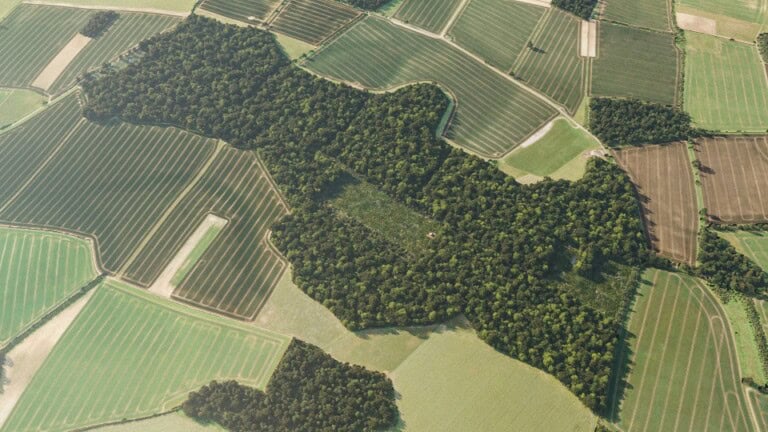
Within the Surrey Hills National Landscape, our Chiddingfold Habitat Bank spans across more than fifty acres where we’re transforming the existing grassland and arable fields into a range of biodiverse habitats. This work will help to connect areas of parkland, ancient woodland and wood pasture priority habitats across the wider landscape.
BNG delivery
At each of our Habitat Banks, our team assesses the land at the very start to maximise our biodiversity uplift. During this process we look at the site’s existing wildlife and vegetation, geological features, hydrology, extended management history, and its wider connectivity in the region.
Then, using the statutory biodiversity metric, we take a baseline for each Habitat Bank. Our team carefully considers the land and decides on the best possible habitats that will deliver and demonstrate resilient and adaptable biodiversity gains over our thirty-year management period.
Coverage
| Neighbouring LPAs |
|---|
|
Guildford Borough Council
|
|
South Downs National Park Authority
|
|
Mole Valley District Council
|
|
Hart District Council
|
|
Rushmoor Borough Council
|
|
Chichester District Council
|
|
Horsham District Council
|
|
East Hampshire District Council
|
| Neighbouring NCAs |
|---|
|
Romney Marshes
|
|
Pevensey Levels
|
|
Wealden Greensand
|
|
High Weald
|
|
South Downs
|
Our vision
Chiddingfold Habitat Bank has been perfectly placed to have a large-scale impact. It’s sat within the Chiddingfold & West Weald Woodlands Biodiversity Opportunity Area (BOA) and is near to the Chiddingfold Forest Site of Special Scientific Interest (SSSI) and the Ryestreet Common Site of Nature Conservation Importance (SNCI).
The Habitat Bank will also support the nearby Spring Copse SNCI, a parcel of ancient woodland home to a number of plant species rare in Surrey. We’re creating habitats that we hope will benefit species such as large-leaved lime, sanicle and native bluebells.
A large number of wildlife species found in the local area will be able to enjoy Chiddingfold Habitat Bank. This includes mammals such as hazel dormouse and European hedgehog; reptiles such as common lizard, grass snake, and adder; and birds such as nightingale, bullfinch, and tawny owl.
We’re also creating habitats that will benefit a large number of insect species, including stag beetle, brown hairstreak butterfly, and white admiral butterfly; and bat species, including common pipistrelle, brown long eared, serotine, and barbastelle.
As Chiddingfold Habitat Bank has a public footpath crossing the site, people from the local community will also benefit from the rise in biodiversity here.
Waverley Borough Council has supported the delivery of the Chiddingfold Habitat Bank, developed in partnership with Environment Bank.
Waverley Borough Council Biodiversity Duty Report 2026
By enabling Biodiversity Net Gain to be delivered locally and secured for the long term, the project demonstrates how strategic planning decisions can actively contribute to nature recovery while meeting statutory biodiversity obligations.
Buy BNG Units
Find out the cost and availability of Biodiversity Units from Chiddingfold Habitat Bank.
Nearest Habitat Banks
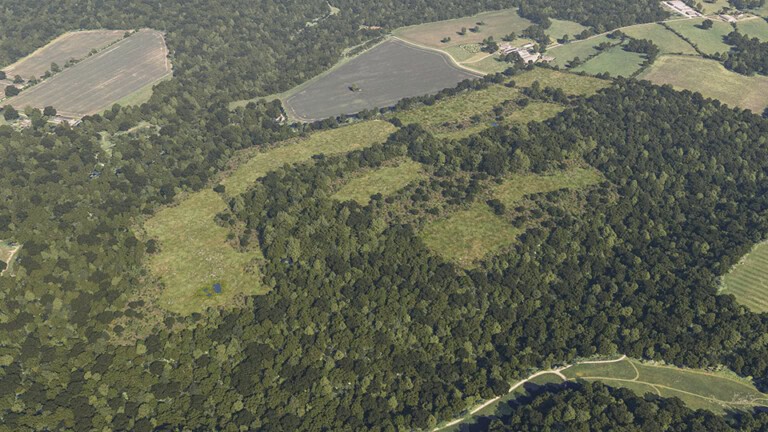
Whitchurch Habitat Bank
NCA: Hampshire Downs