Ardingly Habitat Bank
- County
- West Sussex
- Local planning authority (LPA)
- Mid Sussex District Council
- National Character Area (NCA)
- High Weald
- Biodiversity gain sites register number
- BGS-281024001
Biodiversity Units
Very high distinctiveness habitats
- Species-rich native hedgerow with trees — associated with bank or ditch
High distinctiveness habitats
- Lowland mixed deciduous woodland
Medium distinctiveness habitats
- Mixed scrub
- Other neutral grassland
- Other woodland; broadleaved
- Ponds (non-priority habitat)
Low distinctiveness habitats
- Native hedgerow
Habitat Bank overview
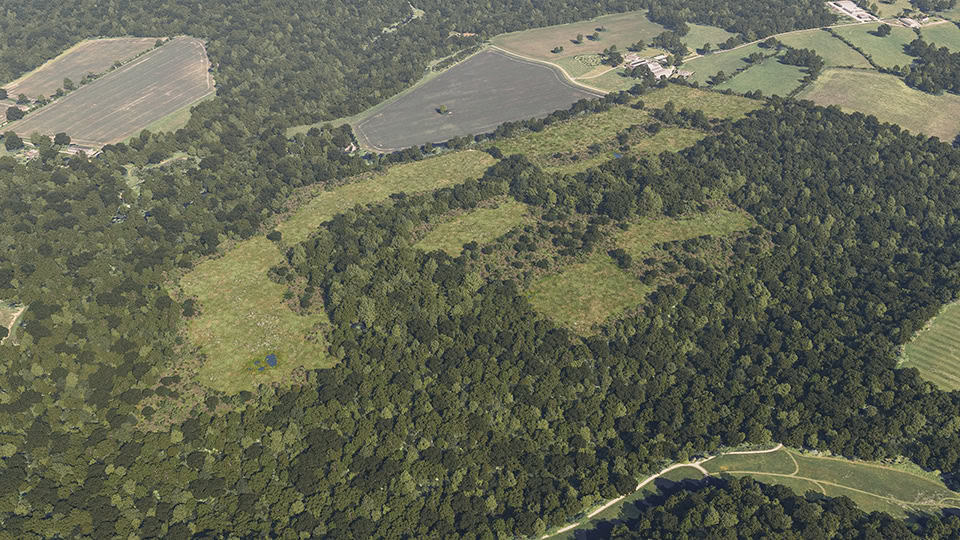
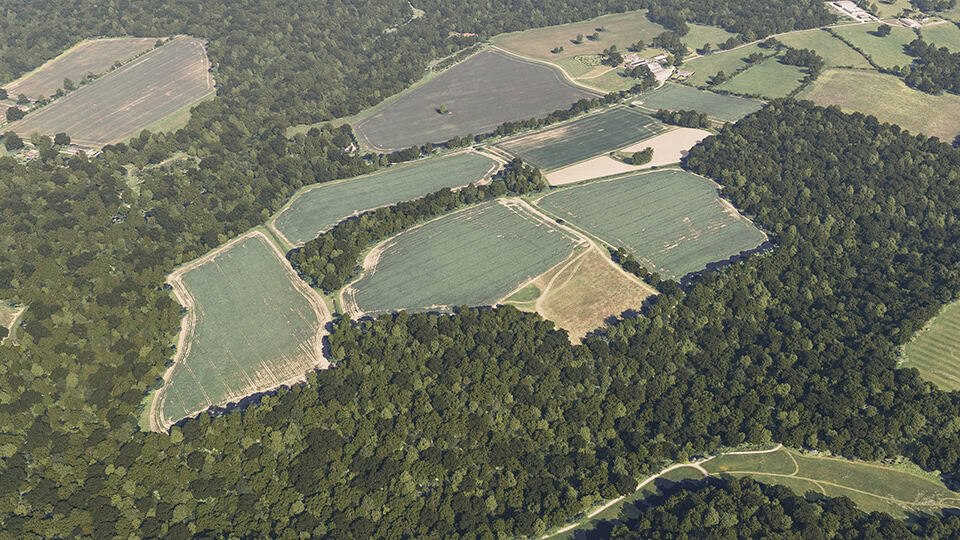
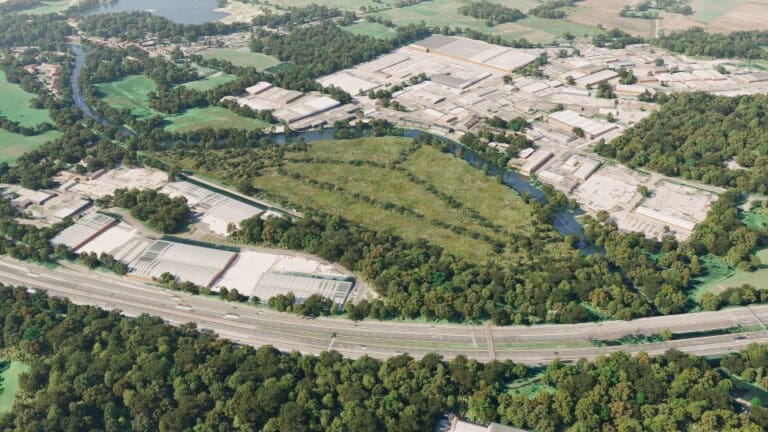
Located less than ten miles from Crawley, our forty-hectare Ardingly Habitat Bank was secured in 2024. We’ve carefully designed a suitable habitat management plan to boost biodiversity, using strategies to take advantage of the site’s closeness to the Wakehurst and Chiddingly Woods Site of Special Scientific Interest (SSSI).
BNG delivery
At every Habitat Bank, we always look at the land to determine what can be achieved from the very start. Our biodiversity experts assess the soil, wildlife, vegetation, geology, hydrology, management history, and connectivity across the local landscape.
We take a baseline for each Habitat Bank using the statutory biodiversity metric. We carefully select the best possible habitats for us to establish so we can deliver and demonstrate measurable biodiversity gains over time.
Coverage
| Neighbouring LPAs |
|---|
|
South Downs National Park Authority
|
|
Crawley Borough Council
|
|
Tandridge District Council
|
|
Lewes District Council
|
|
Wealden District Council
|
|
Horsham District Council
|
| Neighbouring NCAs |
|---|
|
Low Weald
|
|
Romney Marshes
|
|
Pevensey Levels
|
Our vision
At Ardingly Habitat Bank, we’re transforming the existing arable fields into a rich and diverse mosaic of wildflower grassland, mixed scrubland, woodland, and ponds. The meadows we’re creating will be managed using conservation grazing strategies to benefit the land – reflecting traditional and historic land management techniques.
We’ll be connecting habitats across the local landscape, particularly between pockets of ancient woodland to allow wildlife to travel.
By enhancing the landscape and creating new habitats for wildlife, we hope to see a number of species increase in abundance over the coming years. This may include reptiles such as slow worm, amphibians such as great crested newt, invertebrates such as stag beetle and silver-washed fritillary butterfly, and birds such as nightingale.
We’re also planning to enhance the health of the soil by reducing nutrient levels and improving its structure. This will not only help the habitats thrive, but it will also enable the soil to better store and filter water. Enhancements such as these are so vital for helping make the landscape more resilient against the worst effects of climate change.
Buy BNG Units
Find out the cost and availability of Biodiversity Units from Ardingly Habitat Bank.
Nearest Habitat Banks
Aylesford Habitat Bank
NCA: Wealden Greensand