World Wildlife Day 2026 — medicinal and aromatic plants
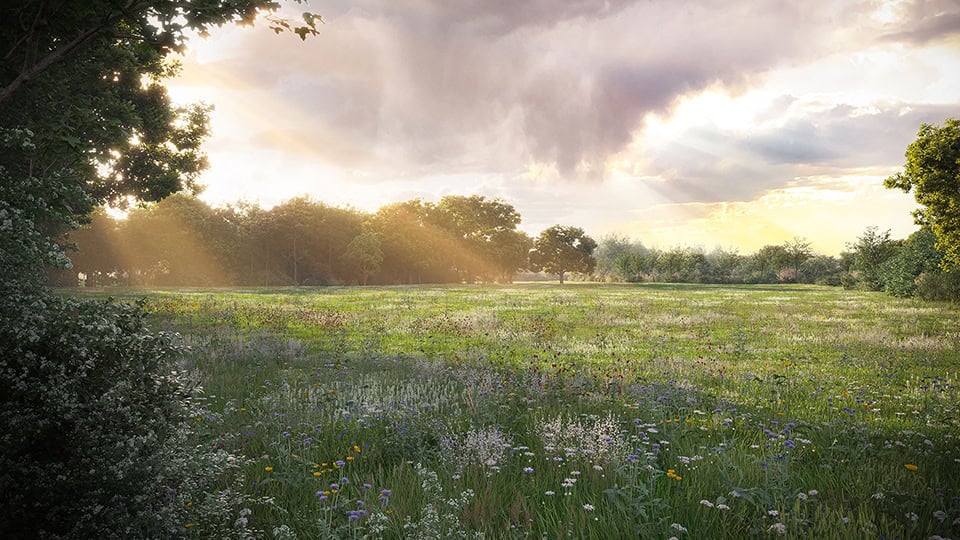
Today we’re celebrating World Wildlife Day – an annual event dedicated to appreciating the diverse species that are essential to global ecosystems. World Wildlife Day takes place each year on March 3rd, marking the date that the Convention on International Trade in Endangered Species of Wild Flora and Fauna (CITES) was signed in 1973.
Contrary to popular belief, the term ‘wildlife’ refers not only to undomesticated animals but also to uncultivated plants. At Environment Bank, our mission is to create and restore habitats throughout our network of UK Habitat Banks, using the expertise of our in-house ecologists. These habitats then increase local biodiversity and sustain many different species of wildlife.
To celebrate this landmark event, we’d love to share some of the wildlife that we’re seeing grow in abundance at our Biodiversity Net Gain (BNG) network – the country’s leading habitat banking programme… focusing on this year’s special theme!
Wildlife at our Habitat Banks supporting heath, heritage, and livelihoods
Each year, the UN designates a new and exciting theme to World Wildlife Day in order to highlight the many fantastic plant and animal species across the world. This year’s theme is Medicinal and Aromatic Plants: Conserving Health, Heritage and Livelihoods.
Medicinal and aromatic plants are widely used across the health and wellbeing industries, with 25% of prescription medicines being derived from plants. As well as this, medicinal plants hold huge cultural significance to indigenous communities, whose knowledge of these plants are the foundation of medicine today.
Clearly medicinal and aromatic plants are crucial to both human health and global ecosystems. However, over 20% of medicinal and aromatic plants are on The International Union for Conservation of Nature’s (IUCN) Red List, meaning that they are endangered species. This is why it is so important to maintain a focus on increasing plants’ biodiversity through habitat restoration.
This is the drive behind Environment Bank’s mission and is an essential outcome of the habitat restoration that we are doing across our vast and growing network of Habitat Banks. An example of how we do this is restoring wetlands and grasslands. These not only provide sources of food and shelter for animal species but can also improve the area’s water flow and enrich the soil with nutrients. This then creates a healthier, more balanced ecosystem which can support greater biodiversity.
In celebration of World Wildlife Day’s special theme, here are some of the incredible medicinal and aromatic plants that we are seeing at our Habitat Banks – as a direct result of our habitat restoration.
Blue bugle (ajuga reptans) – found at Bog Hall Habitat Bank in North Yorkshire
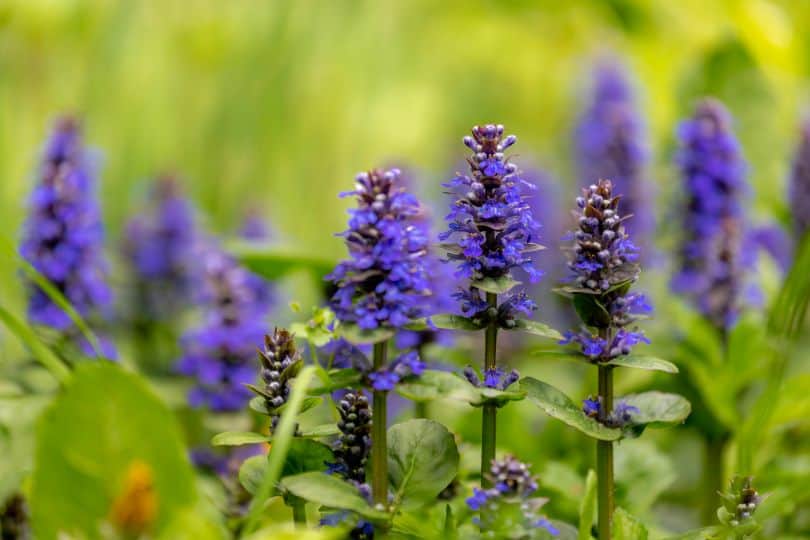
Blue bugle – also known as bugleherb and carpetweed – is a medicinal plant that used to be referred to as ‘carpenter’s herb’ as it was used to treat occupational injuries such as bruises and broken bones. Blue bugle also can grow to be up to 20cm tall, catching the attention of pollinators and therefore supporting wider ecosystems. Blue bugle can be found at Bog Hall Habitat Bank – our flagship biodiversity net gain project in North Yorkshire.
Red clover (trifolium pratense) – found at Bolsterstone Habitat Bank in South Yorkshire
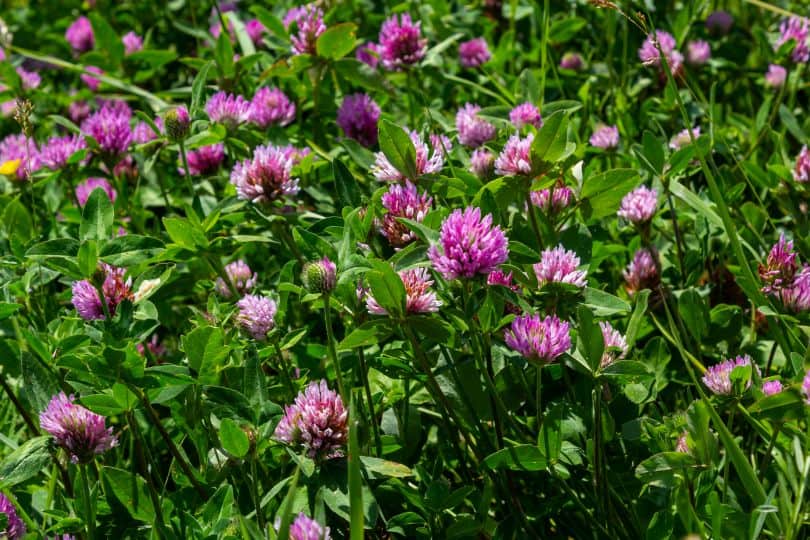
This flowering plant has a long history in medicine. Red clover syrup was often used as a remedy for whooping cough, and red clover wine was used as a blood and skin cleanser. It is also nectar-rich and blooms for long periods of time, providing bees and other insects with an essential and sustaining food source. Red Clover can be found at our Bolsterstone Habitat Bank in South Yorkshire — part of our wider BNG work across Yorkshire.
Hedge woundwort (stachys sylvatica) – found at Bog Hall Habitat Bank in North Yorkshire
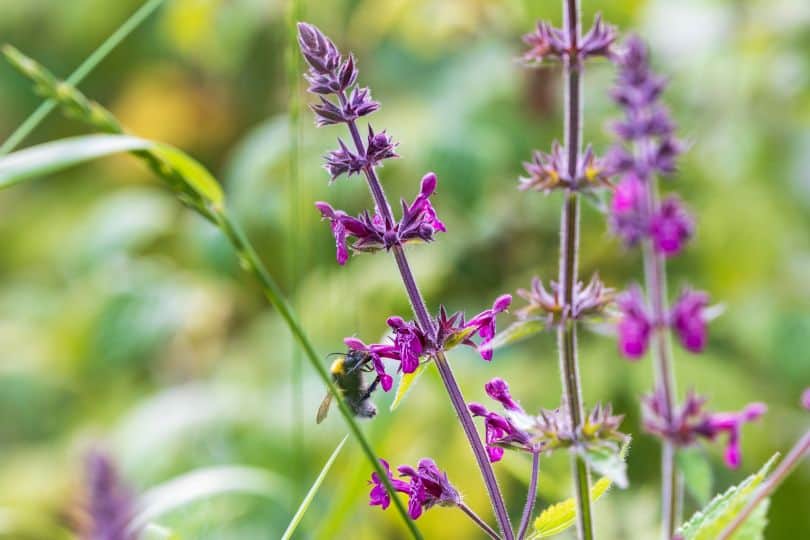
This plant, often referred to as ‘all-heal’, possesses both medicinal and aromatic properties. It has often been used to treat wounds and reduce inflammation, and it releases an aromatic scent when the plant has been bruised or crushed. Hedge woundwort plays a crucial role in balancing local ecosystems as it acts as a food source for both herbivores and predators.
Vervain (verbena officinalis) – found at Witchampton Habitat Bank in Dorset
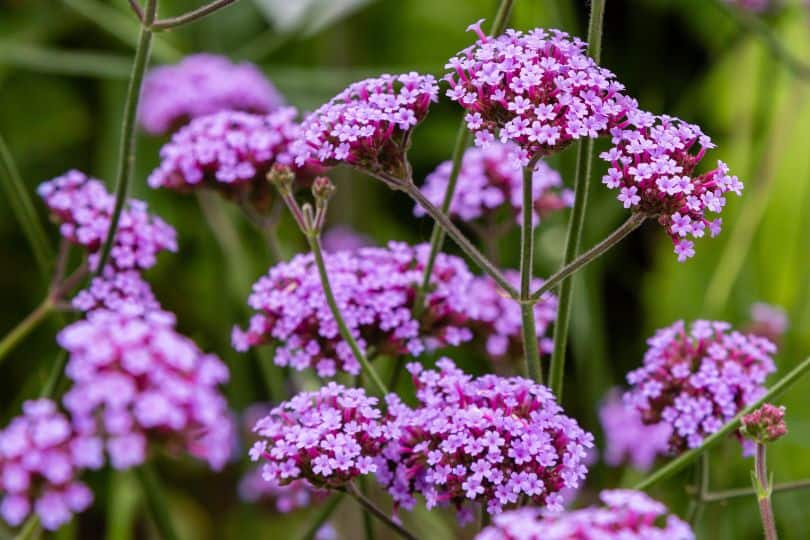
Vervain has traditionally been used for its therapeutic properties to help with insomnia, as well as being used to alleviate headaches and help digestion. Vervain’s purple flowers attract pollinators so that it can germinate its seeds, while also acting as a valuable food source.
Meadowsweet (filipendula ulmaria) – found at Cornwell Habitat Bank in Oxfordshire
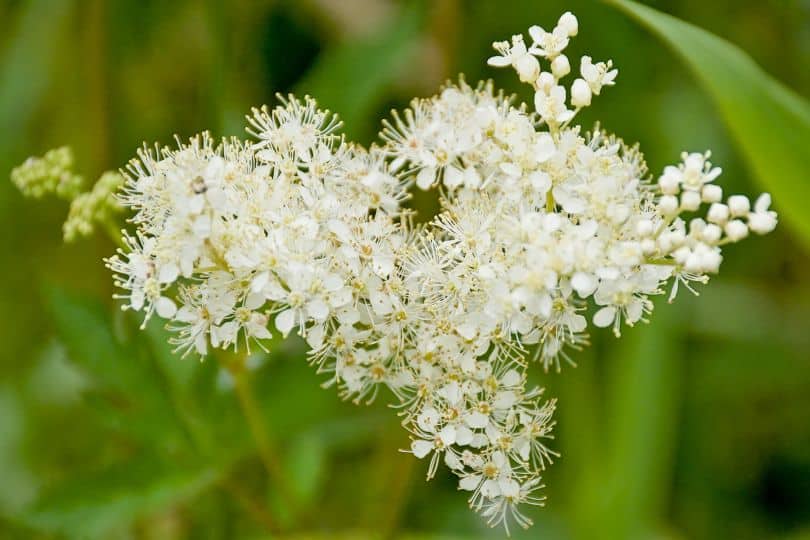
Both an aromatic and a medicinal plant, meadowsweet truly lives up to its name. Meadowsweet contains salicylic acid, a main component in aspirin that is also used to treat skin conditions such as psoriasis. This salicylic acid also gives meadowsweet its distinctive sweet smell. Meadowsweet flourishes in wetlands and plays an important role in stabilising the soil and preventing detrimental erosion.
We’re restoring biodiversity – and your business can too
At Environment Bank, enabling native wildlife to flourish is a key part of our mission. This cannot be achieved solely through reducing our current impact on the environment, we have to actively restore what’s been lost.
The Intergovernmental Science-Policy Platform for Biodiversity and Ecosystem Services (IPBES) recently published a biodiversity assessment, based on 3 years of research and collaborative efforts with ecologists, indigenous people, and policymakers. Throughout this report, IPBES stressed the importance of businesses becoming nature positive by actively giving back to nature. It found that this is not only beneficial to the environment but also a financially positive decision.
We can help your business to give back to nature through our Nature Shares. By purchasing these, you will be able to support us in delivering essential habitat restoration in large-scale, high-impact projects.
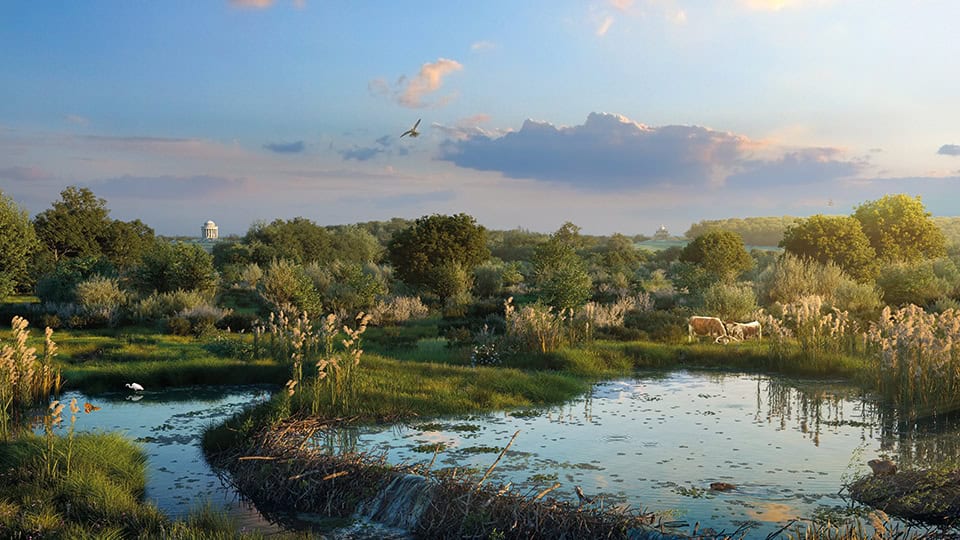
Our flagship Nature Shares project, Bog Hall Habitat Bank, is a large-scale habitat restoration and rewilding project on land in North Yorkshire. It sits on the historic Castle Howard Estate and is now a landmark biodiversity and nature recovery project — spanning over 440 acres of land within a Site of Importance for Nature Conservation (SINC).
Our expert ecologists closely monitor the land to ensure not only that habitats are restored but also that this positive impact is carefully quantified. Businesses who purchase Nature Shares can then see their measurable impact – such as the growth in wildlife populations, improvements in natural flood mitigation, and amount of carbon sequestered – and know precisely what their business has been a part of restoring.
Bog Hall Habitat Bank provides businesses with a fantastic opportunity to set themselves apart from competitors by contributing to a transformative project, reducing their nature-related risks, and becoming more nature positive. Meaningful action is the key to healing our landscapes and restoring the biodiversity which is not only essential to the security of business supply chains, but for our very survival.
We look forward to seeing the abundance of a diverse range of species grow at our Habitat Banks as they thrive over the course of their lifetimes.