Bassingbourn Habitat Bank
- County
- Cambridgeshire
- Local planning authority (LPA)
- South Cambridgeshire District Council
- National Character Area (NCA)
- East Anglian Chalk
Biodiversity Units
High distinctiveness habitats
- Lowland calcareous grassland
- Other rivers and streams
- Species-rich native hedgerow with trees
- Traditional orchards
Medium distinctiveness habitats
- Ditches
- Mixed scrub
- Other neutral grassland
- Rural tree
- Species-rich native hedgerow
Low distinctiveness habitats
- Modified grassland
Habitat Bank overview
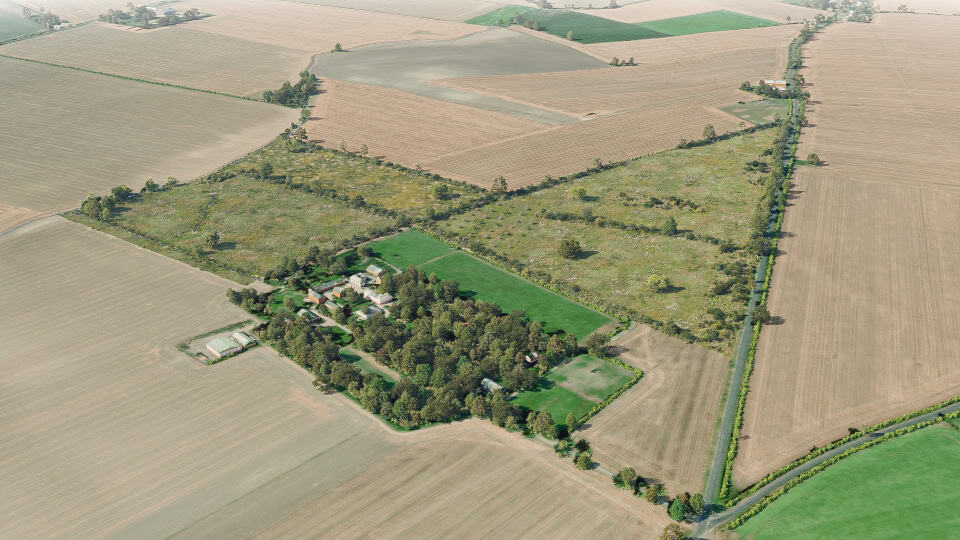
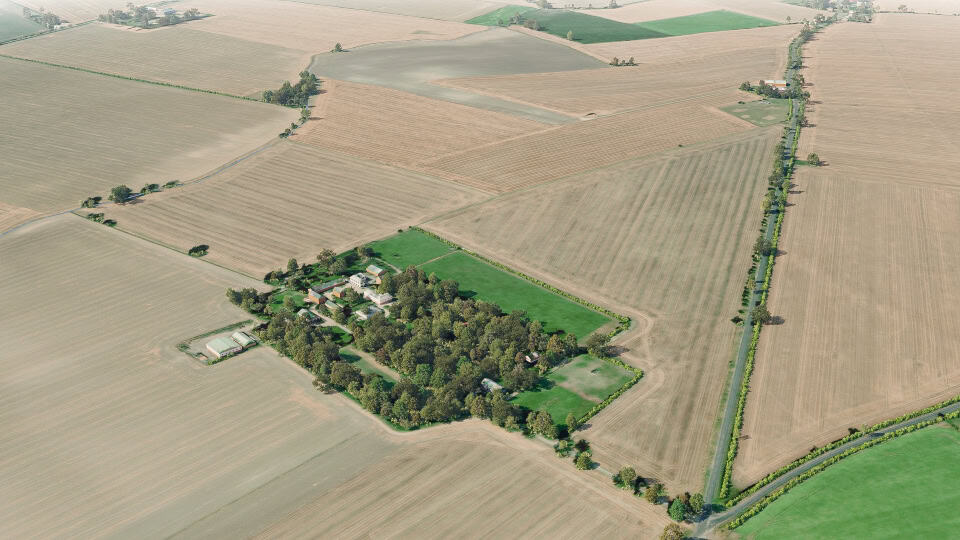
Covering more than sixty acres of previously arable land in Cambridgeshire, our Bassingbourn Habitat Bank is a fantastic example of how nature restoration projects can transform areas with low biodiversity.
After creating new habitats and enhancing the site’s existing features, we’ll spend the next three decades enabling the landscape to flourish – helping a wide range of local animal and plant species to thrive.
BNG delivery
At every Habitat Bank, we always look at the land to determine what can be achieved from the very start. Our biodiversity experts assess the soil, wildlife, vegetation, geology, hydrology, management history, and connectivity across the local landscape.
We take a baseline for each Habitat Bank using the statutory biodiversity metric. We carefully select the best possible habitats for us to establish so we can deliver and demonstrate measurable biodiversity gains over time.
Coverage
| Neighbouring LPAs |
|---|
|
Uttlesford District Council
|
|
Central Bedfordshire Council
|
|
Braintree District Council
|
|
Huntingdonshire District Council
|
|
North Hertfordshire District Council
|
|
Cambridge City Council
|
|
Cambridgeshire County Council
|
|
West Suffolk Council
|
|
East Cambridgeshire District Council
|
| Neighbouring NCAs |
|---|
|
The Brecks
|
|
Bedfordshire and Cambridgeshire Claylands
|
|
The Fens
|
|
South Suffolk and North Essex Clayland
|
|
Chilterns
|
Our vision
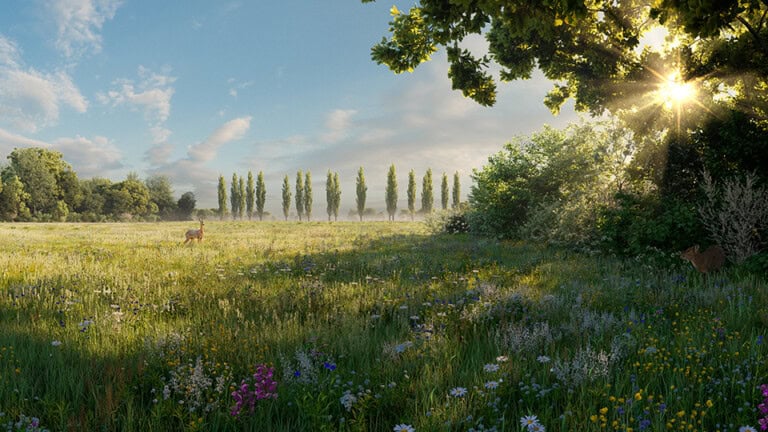
Bassingbourn Habitat Bank is strategically located near the Therfield Nature Reserve and the Ashwell Springs Sites of Special Scientific Interest (SSSIs). The Habitat Bank and its surrounding areas are made up of rich chalky grassland and pockets of woodland – supporting rare wildlife such as the pasque flower and chalk hill blue butterfly.
At the Habitat Bank we are creating and enhancing watercourses with crucial grassland boundaries. This will filter agricultural run-off and silt, reducing pollutants and increasing local water quality.
Buy BNG Units
Find out the cost and availability of Biodiversity Units from Bassingbourn Habitat Bank.
Nearest Habitat Banks
Emberton Habitat Bank
NCA: Bedfordshire and Cambridgeshire Claylands