Wheathampstead Habitat Bank
- County
- Hertfordshire
- Local planning authority (LPA)
- St Albans City and District Council
- National Character Area (NCA)
- Chilterns
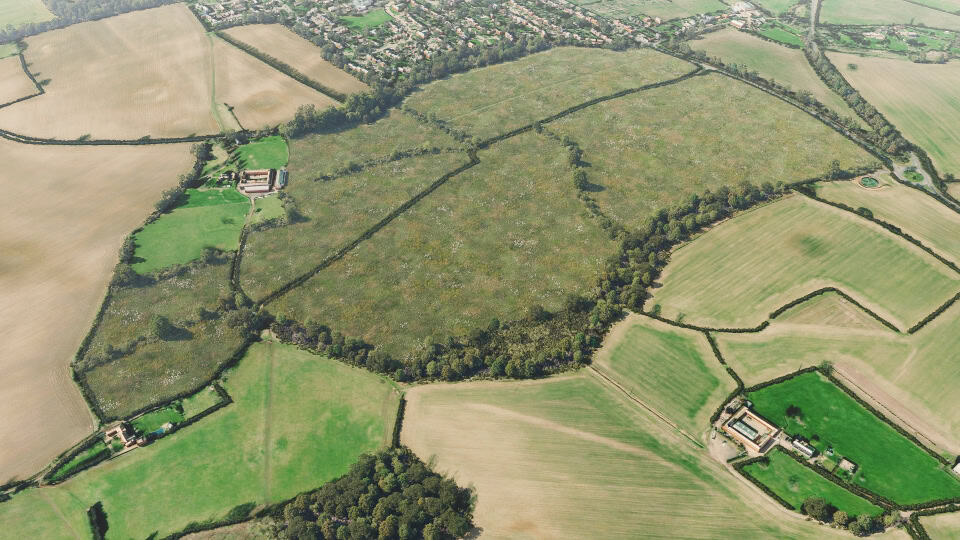
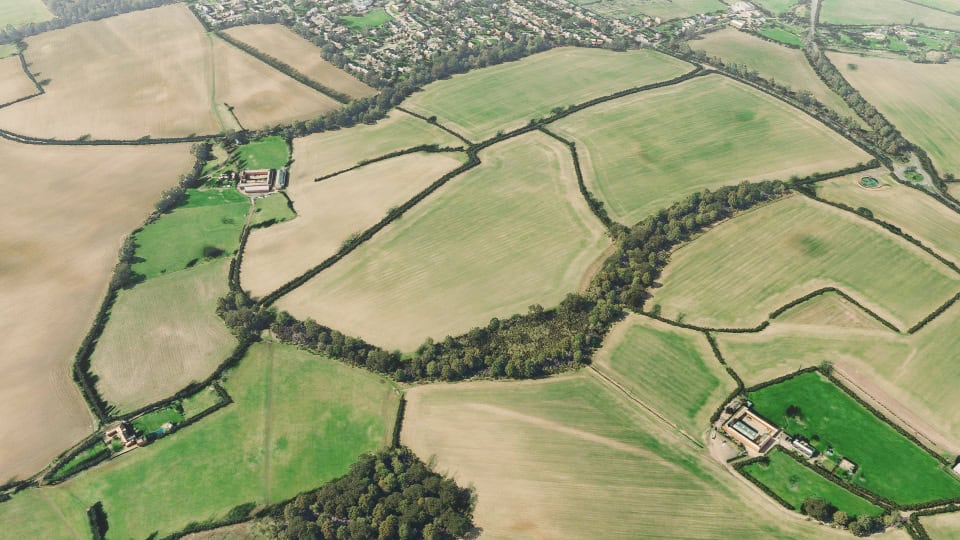
Biodiversity Units
Very high distinctiveness habitats
- Lowland meadows
- Species-rich native hedgerow with trees — associated with bank or ditch
High distinctiveness habitats
- Species-rich native hedgerow with trees
Medium distinctiveness habitats
- Other neutral grassland
- Other woodland; broadleaved
- Species-rich native hedgerow
Low distinctiveness habitats
- Native hedgerow
Habitat Bank overview
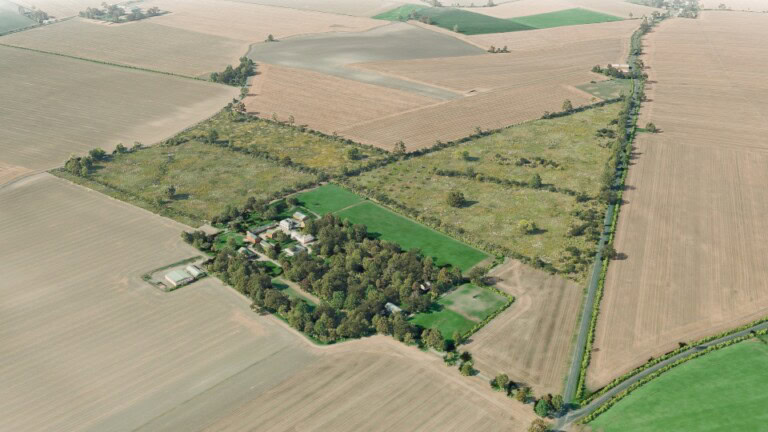
Nestled in the Chiltern Hills is Wheathampstead Habitat Bank – a 110-acre parcel of land that is restoring crucial habitats in Hertfordshire.
This site is largely made up of arable grassland with low biodiversity – which is why it is such an effective site for nature recovery. We are hoping that our enhancement of the land enables native wildlife, such as white-letter hairstreak butterfly, to thrive in the years to come.
BNG delivery
At every Habitat Bank, we always look at the land to determine what can be achieved from the very start. Our biodiversity experts assess the soil, wildlife, vegetation, geology, hydrology, management history, and connectivity across the local landscape.
We take a baseline for each Habitat Bank using the statutory biodiversity metric. We carefully select the best possible habitats for us to establish so we can deliver and demonstrate measurable biodiversity gains over time.
Coverage
| Neighbouring LPAs |
|---|
|
Central Bedfordshire Council
|
|
Dacorum Borough Council
|
|
Hertsmere Borough Council
|
|
Watford Borough Council
|
|
Three Rivers District Council
|
|
North Hertfordshire District Council
|
|
Welwyn Hatfield Council
|
| Neighbouring NCAs |
|---|
|
Northern Thames Basin
|
|
Thames Basin Heaths
|
|
South Suffolk and North Essex Clayland
|
|
Bedfordshire and Cambridgeshire Claylands
|
|
Thames Valley
|
|
Upper Thames Clay Vales
|
|
Berkshire and Marlborough Downs
|
|
East Anglian Chalk
|
Our vision
Wheathampstead Habitat Bank is a particularly unique and exciting site as it is partially made up by the Devil’s Dyke Local Wildlife Site (LWS). The Devil’s Dyke is the remains of defensive ditches from the Iron Age – stretching to around thirty metres wide and twelve metres deep.
We’re enhancing the woodland at Wheathampstead Habitat Bank by removing harmful non-native turkey oak and conifer species and instead encouraging the growth of native plants. The removal of invasive species will not only benefit local ecosystems and allow the growth of English oak trees, but it will also create valuable deadwood features – made up of dead and decaying wood – that provide valuable habitats for fungi and insects.
Buy BNG Units
Find out the cost and availability of Biodiversity Units from Wheathampstead Habitat Bank.
Nearest Habitat Banks
Bassingbourn Habitat Bank
NCA: East Anglian Chalk