Aylesford Habitat Bank
LPA:
Tonbridge and Malling Borough Council
NCA: Wealden Greensand
NCA: Wealden Greensand


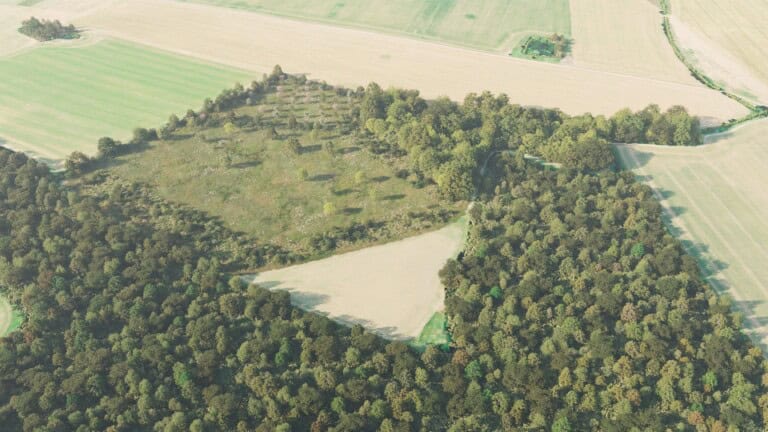
Hastingleigh Habitat Bank covers seventy acres of land just northeast of Ashford in Kent in an area that’s highly significant for nature recovery and home to rare and declining species such as skylark, black veined moth, and the late spider orchid.
Across this vast space, we’re creating new habitats carefully chosen to suit the local landscape which will help to support a wide variety of native flora and fauna.
Across our network of Habitat Banks, our specialist team always evaluates the land from the outset to determine how we can best achieve our biodiversity gains. This includes assessment of our sites’ native wildlife and existing vegetation, management history, hydrology, geology, and its wider connectivity in the local area.
Using the statutory biodiversity metric, we take baselines for each of our Habitat Banks. We carefully consider and design the best habitats to establish in order to maximise our long-term biodiversity gains.
| Neighbouring LPAs |
|---|
|
Tunbridge Wells Borough Council
|
|
Folkestone and Hythe District Council
|
|
Swale Borough Council
|
|
Canterbury City Council
|
|
Maidstone Borough Council
|
|
Rother District Council
|
| Neighbouring NCAs |
|---|
|
Wealden Greensand
|
|
Hampshire Downs
|
|
Thames Basin Lowlands
|
|
North Kent Plain
|
Neighbouring the Wye National Nature Reserve (NNR) and the Wye and Crundale Downs Special Area of Conservation (SAC) and Site of Special Scientific Interest (SSSI), Hastingleigh Habitat Bank has been well placed to connect nature sites within the Kent Downs National Landscape.
Our primary focus here is to help restore, extend, and reconnect calcareous and species-rich neutral grasslands – this is a specific goal of the East Kent Woodland & Downs Biodiversity Opportunity Area (BOA) in which the southern section of our Habitat Bank sits.
By enhancing and creating these locally valuable habitats, we’ll be able to help build ecological connectivity across the wider area and support a range of species living here, such as grass snake, corn bunting, and the chalk hill blue butterfly.
The North Downs Way – part of an ancient pilgrimage route – passes between two sections of Hastingleigh Habitat Bank and a public footpath crosses the site itself. This means that local people will also be able to benefit from the enhancements we’re making to this space.
Find out the cost and availability of Biodiversity Units from Hastingleigh Habitat Bank.