Tiptree Habitat Bank
- County
- Essex
- Local planning authority (LPA)
- Colchester City Council
- National Character Area (NCA)
- Northern Thames Basin
- Biodiversity gain sites register number
- BGS-240726001
Biodiversity Units
Very high distinctiveness habitats
- Species-rich native hedgerow with trees — associated with bank or ditch
High distinctiveness habitats
- Species-rich native hedgerow with trees
- Traditional orchards
Medium distinctiveness habitats
- Mixed scrub
- Other neutral grassland
- Other woodland; broadleaved
- Rural tree
Habitat Bank overview
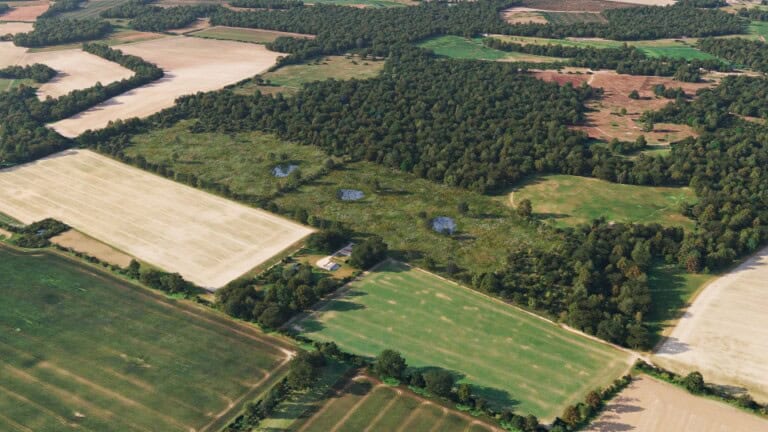
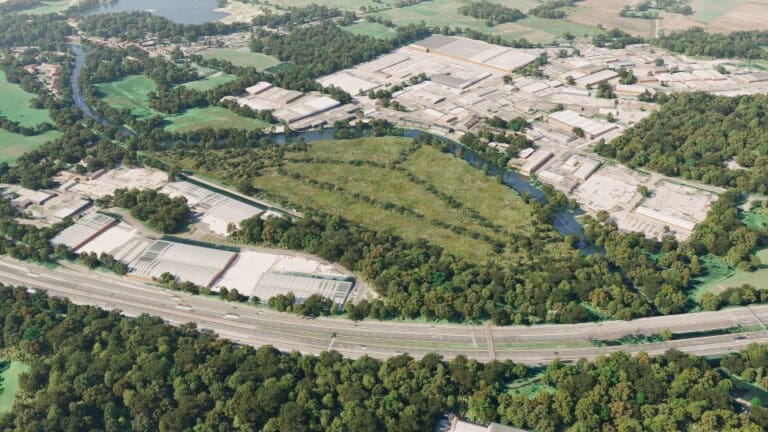
Less than ten miles from the Essex coastline sits Tiptree Habitat Bank – a thirty-five acre parcel of land where we are restoring habitats and supporting local wildlife.
The site’s diverse mosaic of grassland, scrub, and woodland will create habitats for a wide range of flora and fauna – including locally recorded birds of prey such as barn owl and harrier.
BNG delivery
At every Habitat Bank, we always look at the land to determine what can be achieved from the very start. Our biodiversity experts assess the soil, wildlife, vegetation, geology, hydrology, management history, and connectivity across the local landscape.
We take a baseline for each Habitat Bank using the statutory biodiversity metric. We carefully select the best possible habitats for us to establish so we can deliver and demonstrate measurable biodiversity gains over time.
Coverage
| Neighbouring LPAs |
|---|
|
Maldon District Council
|
|
Tendring District Council
|
|
Babergh District Council
|
|
Braintree District Council
|
| Neighbouring NCAs |
|---|
|
Chilterns
|
|
South Suffolk and North Essex Clayland
|
|
Inner London
|
|
Thames Valley
|
|
Suffolk Coast and Heaths
|
|
Greater Thames Estuary
|
Our vision
Tiptree Habitat Bank is strategically located near the Blackwater Estuary Nature Reserve – a Site of Special Scientific Interest (SSSI) made up of over 13,000 acres of diverse wetland habitats. There have previously been records here of Daubenton’s bat – often called the ‘water bat’ as it tends to fly only centimetres from the water’s surface – which we are hoping to support through our enhancement of the land.
The placement of Tiptree Habitat Bank will increase connectivity for native wildlife – enhancing local biodiversity and strengthening the surrounding landscapes against the effects of climate change.
Natural ground springs often form during long, wet periods at the site. Their shallow and vegetated conditions create unique microhabitats (a small-scale habitat within a larger ecosystem) for smaller animals, plants, and invertebrates. They also contribute to the baseflow of streams and rivers, protecting local communities by tackling drought. We’re hoping that our ecological work at Tiptree Habitat Bank will further help these springs flourish.
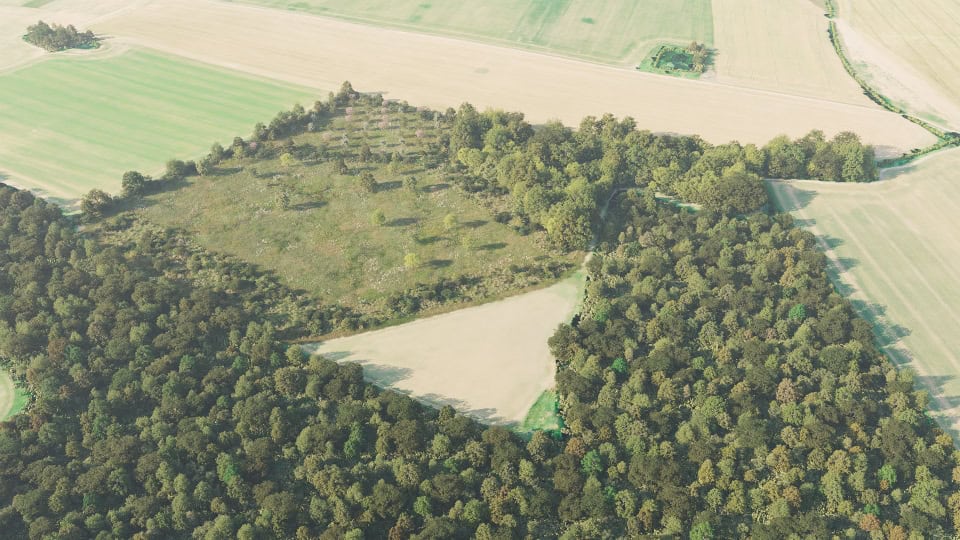
We are also creating traditional orchards on the site where we will produce locally grown D’arcy spice apples. These are grown locally and are little-known outside of the surrounding area, so they hold a huge cultural significance for local communities. The production of these apples will not only celebrate this regional tradition but will diversify the landowner’s income as they can sell these apples to local people.
Buy BNG Units
Find out the cost and availability of Biodiversity Units from Tiptree Habitat Bank.
Nearest Habitat Banks
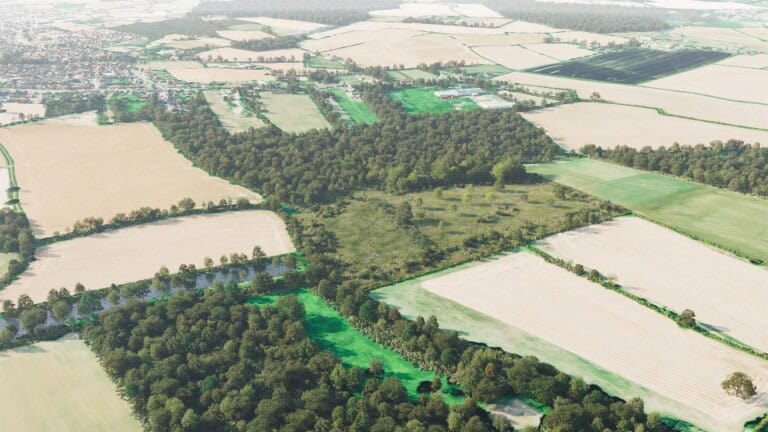
Aylesford Habitat Bank
NCA: Wealden Greensand