Honiton Habitat Bank
- County
- Devon
- Local planning authority (LPA)
- East Devon District Council
- National Character Area (NCA)
- Blackdowns
- Biodiversity gain sites register number
- BGS-270326001
Biodiversity Units
High distinctiveness habitats
- Other rivers and streams
- Ponds (priority habitat)
- Species-rich native hedgerow with trees
- Traditional orchards
Medium distinctiveness habitats
- Ditches
- Mixed scrub
- Other neutral grassland
- Other woodland; broadleaved
Habitat Bank overview
Honiton Habitat Bank is found near the village of Rawridge in the heart of the Blackdown Hills National Landscape, just a few miles north of Honiton.
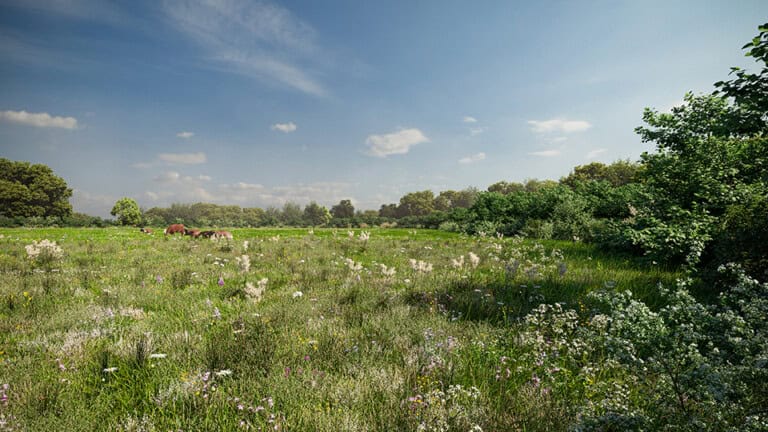
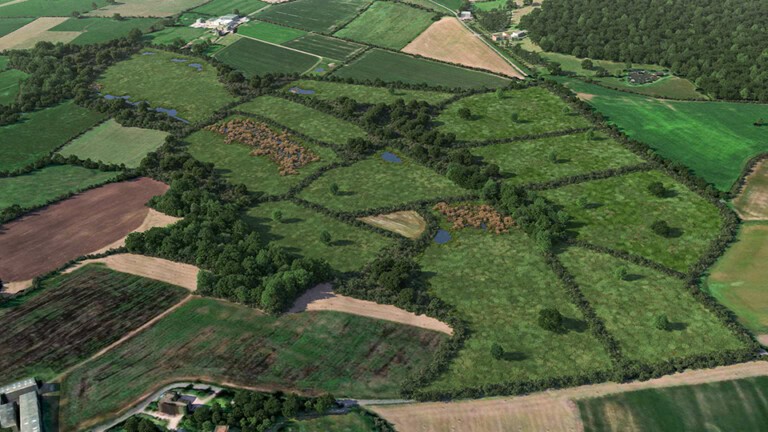
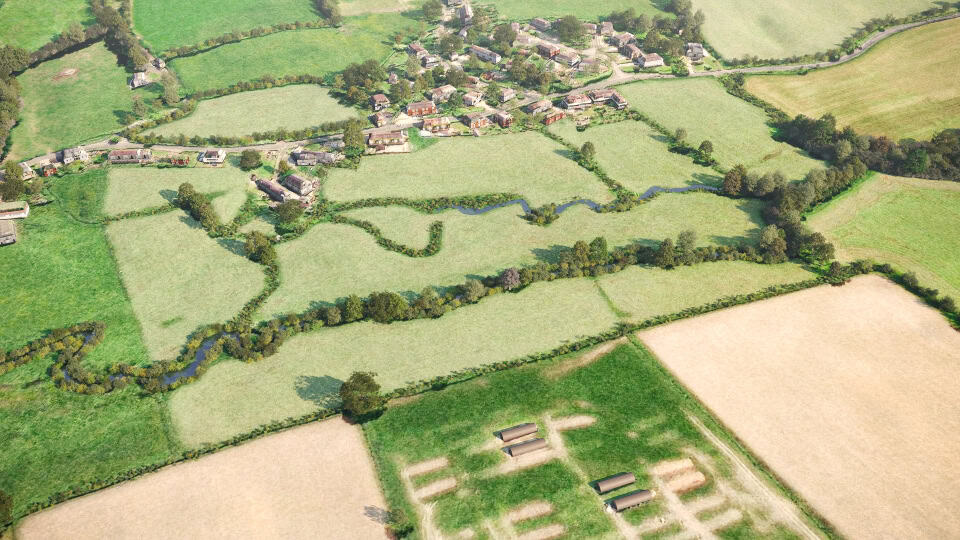
Across more than twenty acres of intensively grazed sheep pasture fields, our ecologists are creating a mosaic of streams, ditches, and wetland habitats – reconnecting the floodplain with the River Otter which runs through the Habitat Bank.
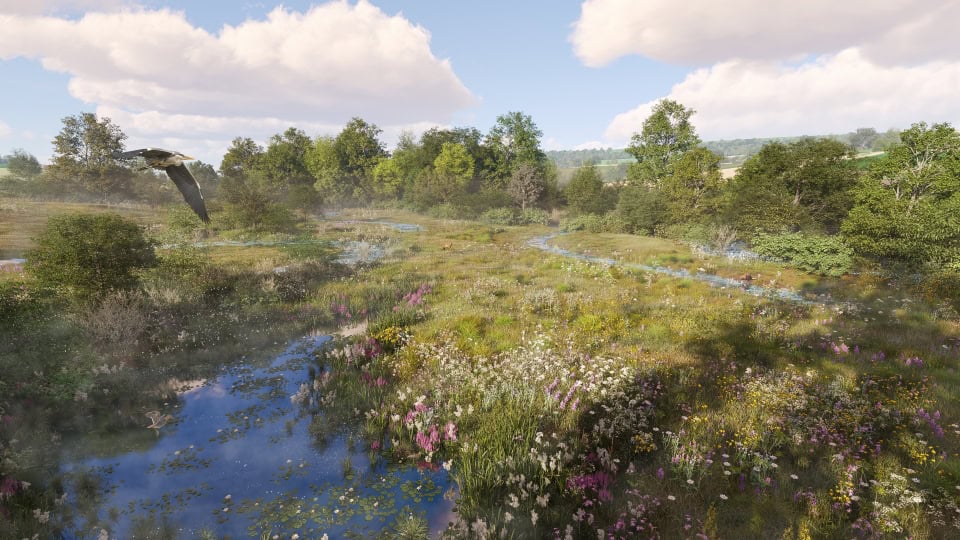
By restoring these habitats, we hope to see the notable species of wildlife living nearby, such as the hazel dormice, otters, and Eurasian beavers, establish a home at Honiton Habitat Bank.
BNG delivery
At every Habitat Bank, we always look at the land to determine what can be achieved from the very start. Our biodiversity experts assess the soil, wildlife, vegetation, geology, hydrology, management history, and connectivity across the local landscape.
We take a baseline for each Habitat Bank using the statutory biodiversity metric. We carefully select the best possible habitats for us to establish so we can deliver and demonstrate measurable biodiversity gains over time.
Coverage
| Neighbouring LPAs |
|---|
|
Somerset Council
|
|
Dorset Council
|
|
Mid Devon District Council
|
|
Teignbridge District Council
|
|
Exeter City Council
|
| Neighbouring NCAs |
|---|
|
Devon Redlands
|
|
Mid Somerset Hills
|
|
Marshwood and Powerstock Vales
|
|
Yeovil Scarplands
|
|
Vale of Taunton and Quantock Fringes
|
Our vision
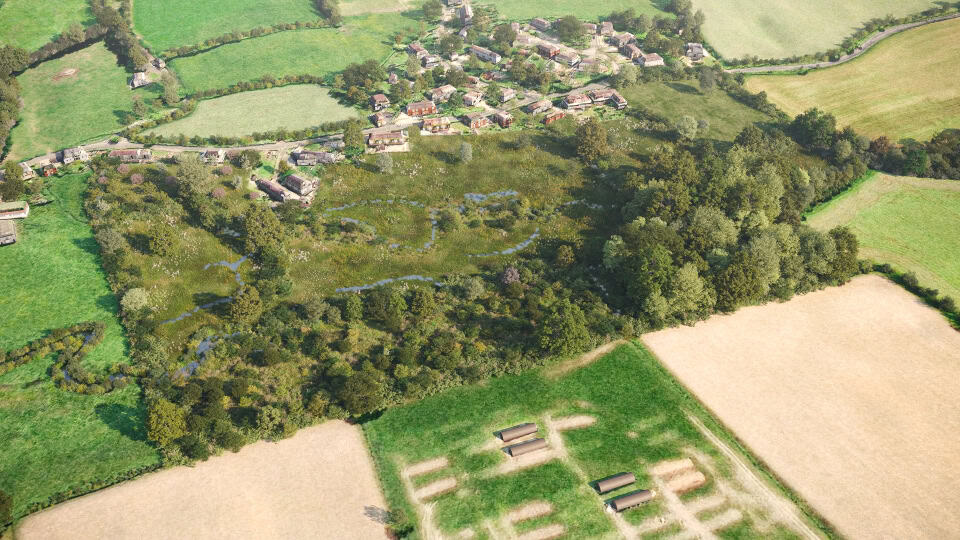
Honiton Habitat Bank was created for its potential to connect the nature sites in the surrounding Blackdown Hills. This includes the Hense Moor, a Site of Special Scientific Interest (SSSI), and Wellsprings Wood, an area of ancient woodland.
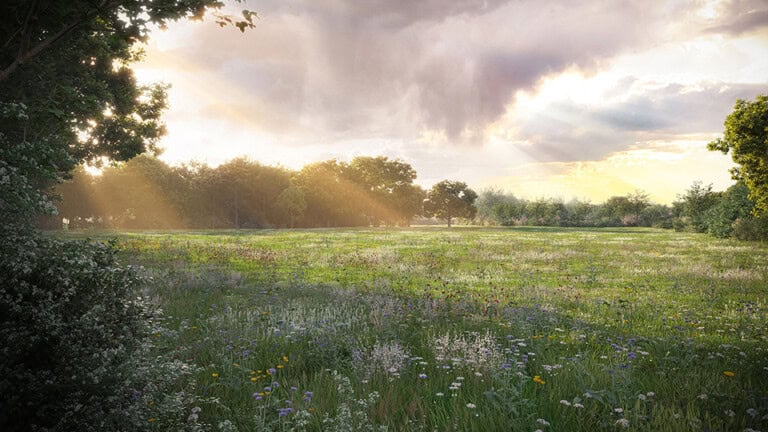
To create valuable transitional zones and connections with the surrounding habitats, we’re planting sections of woodland and scrub. We’re also creating a diverse wildflower grassland in the drier fields and using historic maps to help us reinstate a traditional orchard that was previously lost.
As a public footpath runs across the south of the Habitat Bank, we’re pleased that local people will also be able to enjoy watching the habitats flourish and the wildlife grow in abundance.
Wetland focus
We’re particularly excited to be enhancing and expanding the watercourse, which already runs more than a kilometre across the Habitat Bank. By enhancing the river and creating new streams, ponds, and ditches, we’ll be able to establish a diverse wetland that can support a vast range of wildlife and boost the health of the soil and water.
The River Otter has been home to beavers since around 2008, and we’ve spotted signs of them foraging along a section that runs through our Habitat Bank. This gave us a great opportunity to design the Habitat Bank with these natural ecosystem engineers in mind.
The beavers can help us naturally manage the scrub and woodland, and they may even help to slow down the flow of water. These changes to the landscape can help make it far more resilient against extreme weather by improving natural flood mitigation.
Buy BNG Units
Find out the cost and availability of Biodiversity Units from Honiton Habitat Bank.