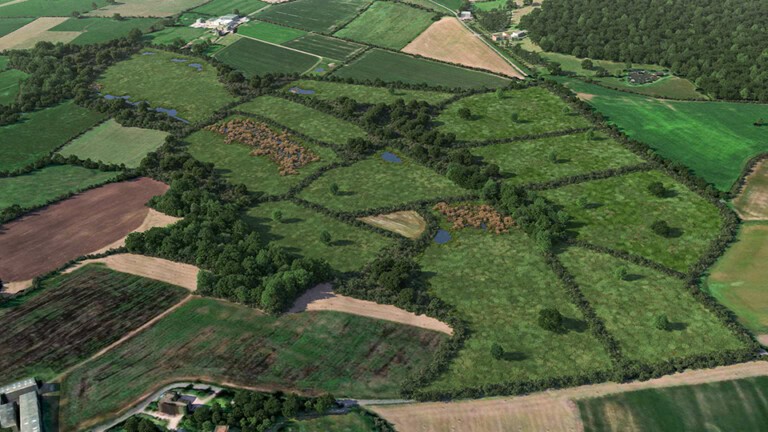
Witchampton Habitat Bank
- County
- Dorset
- Local planning authority (LPA)
- Dorset Council
- National Character Area (NCA)
- Dorset Downs and Cranborne Chase
- Biodiversity gain sites register number
- BGS-111024001
Biodiversity Units
Very high distinctiveness habitats
- Lowland meadows
High distinctiveness habitats
- Floodplain wetland mosaic and CFGM
- Other rivers and streams
Medium distinctiveness habitats
- Ditches
- Mixed scrub
- Other neutral grassland
- Species-rich native hedgerow
Habitat Bank overview
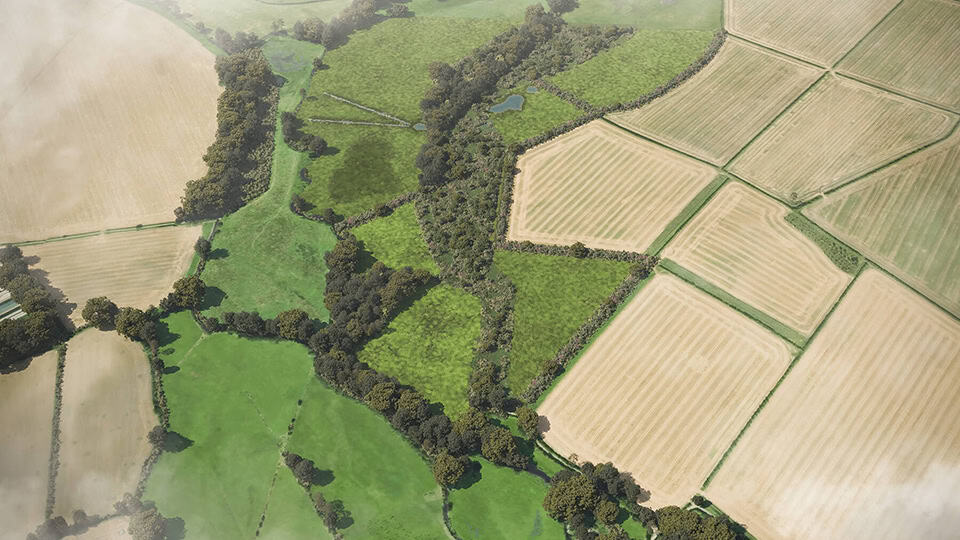
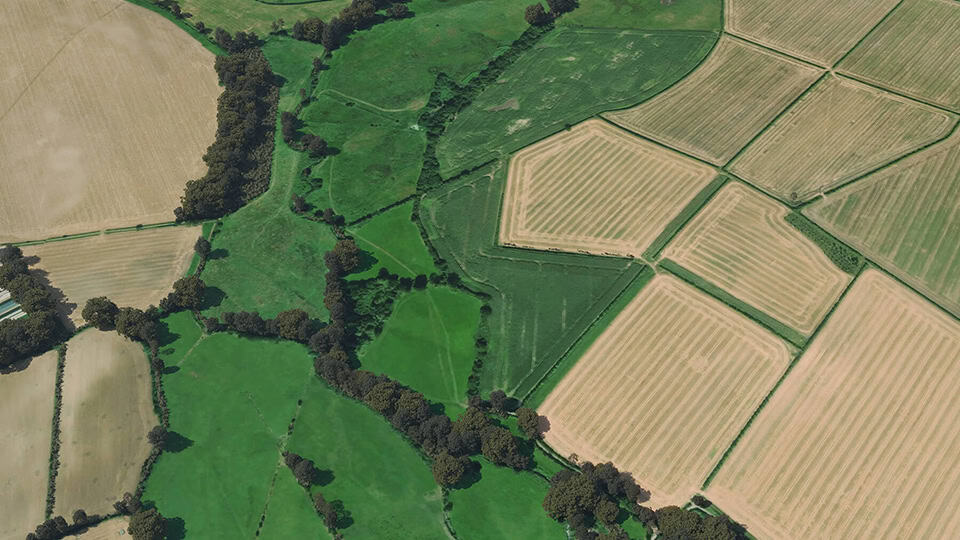
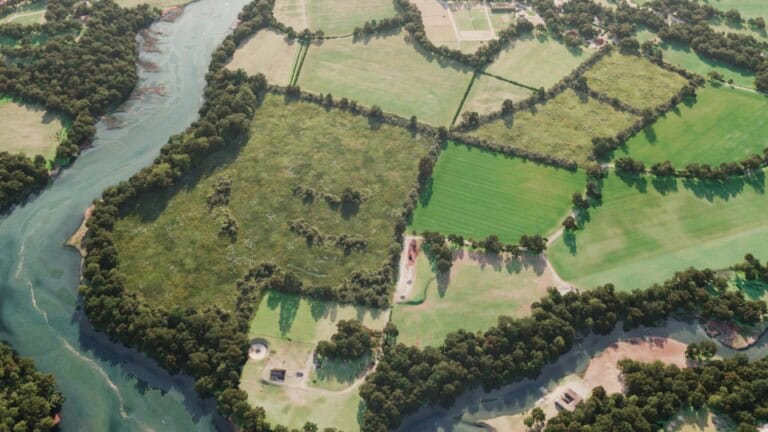
Our Witchampton Habitat Bank covers almost ninety acres of land on a rural estate in Dorset where we are creating and enhancing habitats to support a diverse range of native flora and fauna.
The Habitat Bank sits on a section of land known as the ‘water meadows’ with floodplain grazing marsh running along the River Allen corridor. It is an ideal location to provide a larger and more diverse haven for nature.
BNG delivery
At every Habitat Bank, we always look at the land to determine what can be achieved from the very start. Our biodiversity experts assess the soil, wildlife, vegetation, geology, hydrology, management history, and connectivity across the local landscape.
We take a baseline for each Habitat Bank using the statutory biodiversity metric. We carefully select the best possible habitats for us to establish so we can deliver and demonstrate measurable biodiversity gains over time.
Coverage
| Neighbouring LPAs |
|---|
|
Bournemouth, Christchurch and Poole Council
|
|
Somerset Council
|
|
Wiltshire Council
|
|
New Forest District Council
|
|
East Devon District Council
|
| Neighbouring NCAs |
|---|
|
Dorset Heaths
|
|
Yeovil Scarplands
|
|
Weymouth Lowlands
|
|
New Forest
|
|
Marshwood and Powerstock Vales
|
|
Salisbury Plain and West Wiltshire Downs
|
|
Blackmore Vale and Vale of Wardour
|
Our vision
Witchampton Habitat Bank lies adjacent to the River Allen, which forms part of the River Stour catchment. The western portion of the site sits strategically within the Dorset ecological network. It also sits within both the Cranbourne Chase and West Wiltshire Downs Areas of Outstanding National Beauty.
We’re excited to be enhancing and creating priority habitats including coastal and floodplain grazing marsh and lowland meadows. We’re in the process of transforming the existing grassland and arable fields into rich mosaic of wetter meadows with scrapes and ponds, open native mixed scrub and neutral grasslands which will support a diverse mix of species.
We hope that the new scrapes, ponds, increased vegetation cover, and soil health enhancements across the site will reduce surface water runoff and increase the soils water storage capacity. This will make the land more resilient to the effects of climate change.
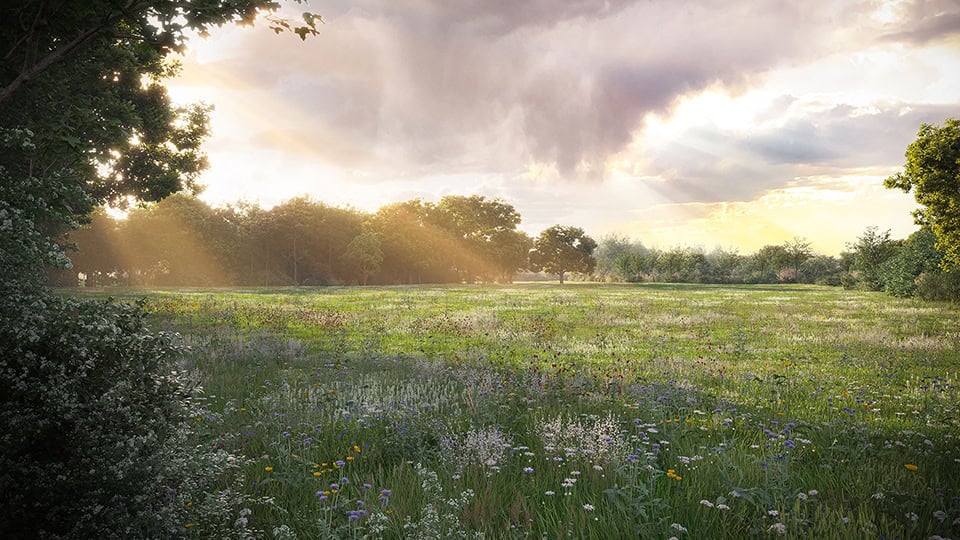
The new habitats will support a stunning array of wildflowers and become home to a range of invertebrate species. We hope that the Habitat Bank will provide a fantastic opportunity to support local rare wildlife.
Buy BNG Units
Find out the cost and availability of Biodiversity Units from Witchampton Habitat Bank.
Nearest Habitat Banks
Whitchurch Habitat Bank
NCA: Hampshire Downs