Martley Habitat Bank
- County
- Worcestershire
- Local planning authority (LPA)
- Malvern Hills District Council
- National Character Area (NCA)
- Severn and Avon Vales
- Biodiversity gain sites register number
- BGS-040924003
Biodiversity Units
High distinctiveness habitats
- Ponds (priority habitat)
- Species-rich native hedgerow with trees
- Traditional orchards
Medium distinctiveness habitats
- Mixed scrub
- Other neutral grassland
Habitat Bank overview
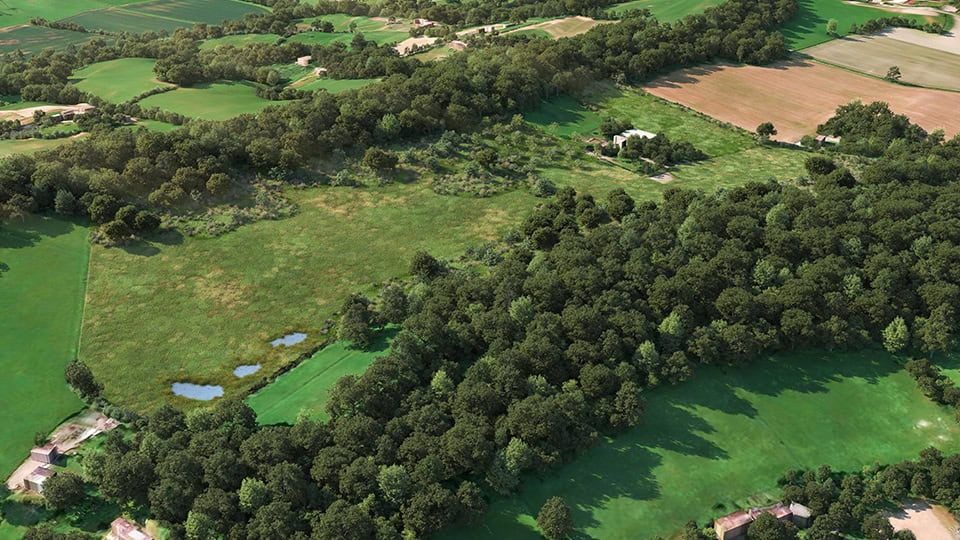
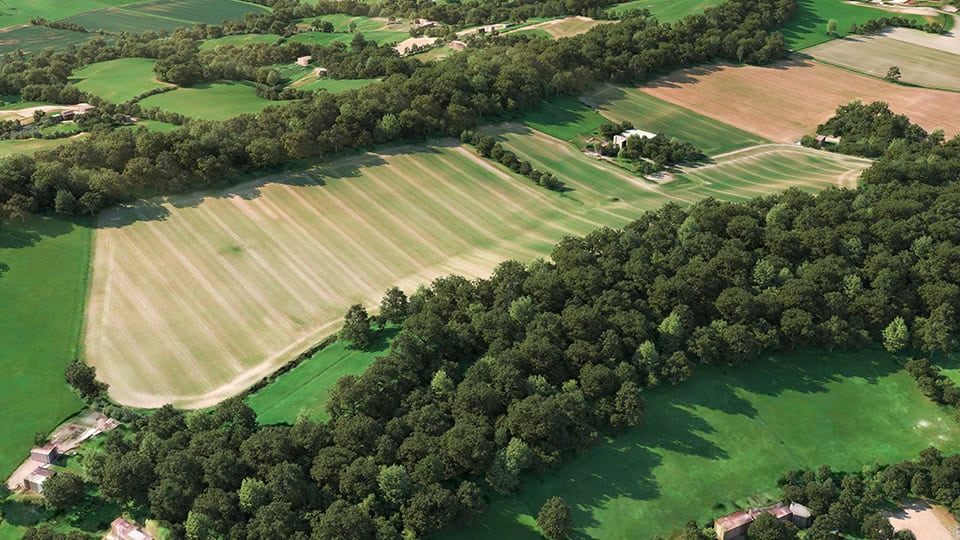
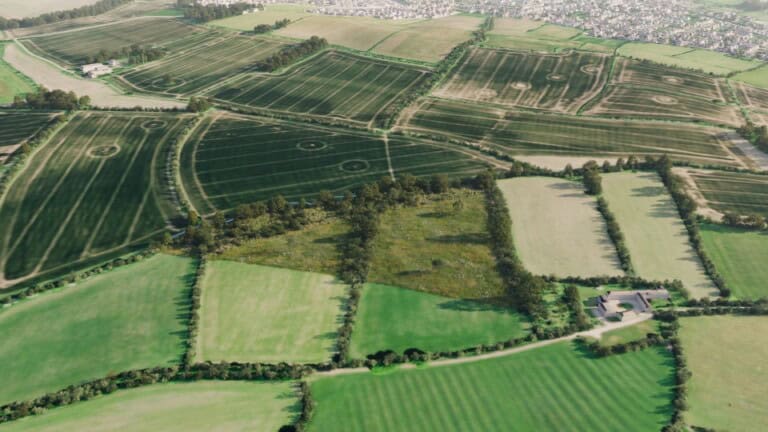
At our Martley Habitat Bank, we’re transforming arable fields into a diverse mosaic of wildflower grassland, mixed scrubland, traditional orchard, hedgerows, and ponds – providing some incredible opportunities for native wildlife to thrive.
The site is strategically located near to pockets of ancient woodland, providing vital connectivity between our Habitat Bank and the surrounding landscape.
BNG delivery
At every Habitat Bank, we always look at the land to determine what can be achieved from the very start. Our biodiversity experts assess the soil, wildlife, vegetation, geology, hydrology, management history, and connectivity across the local landscape.
We take a baseline for each Habitat Bank using the statutory biodiversity metric. We carefully select the best possible habitats for us to establish so we can deliver and demonstrate measurable biodiversity gains over time.
Coverage
| Neighbouring LPAs |
|---|
|
Wyre Forest District Council
|
|
Worcester City Council
|
|
Shropshire Council
|
|
Herefordshire Council
|
|
Tewkesbury Borough Council
|
|
Wychavon District Council
|
|
Forest of Dean District Council
|
| Neighbouring NCAs |
|---|
|
Cotswolds
|
|
Bristol, Avon Valleys and Ridges
|
|
Teme Valley
|
|
South Herefordshire and Over Severn
|
|
Malvern Hills
|
|
Mid Severn Sandstone Plateau
|
|
Forest of Dean and Lower Wye
|
|
Dunsmore and Feldon
|
|
Arden
|
Our vision
The Worcester Biological Records Centre (WBRC) has recorded a number of notable and protected species adjacent to the site, the majority of which are found within the Penny Hill Site of Special Scientific Interest (SSSI) and Worcester Wildlife Trust Reserve to the east of the site, making our Habitat Bank a vital part of nature recovery in the area.
The enhancements we are making to the landscape will be instrumental in improving the quality and structure of the soil. This is particularly important as the Habitat Bank falls within a flood zone, making soil enhancements essential for increasing the land’s resilience against the worst effects of climate change.
With public footpaths along the eastern and southern boundaries of the site, the local community will be able to enjoy watching this incredible Habitat Bank develop over the coming decades. We anticipate an increase in species abundance within the local area for a range of protected and notable species while boosting habitat resilience within the local area.
Buy BNG Units
Find out the cost and availability of Biodiversity Units from Martley Habitat Bank.
Nearest Habitat Banks
Shipston-on-Stour Habitat Bank
NCA: Dunsmore and Feldon