Shipston-on-Stour Habitat Bank
LPA:
Stratford-on-Avon District Council
NCA: Dunsmore and Feldon
NCA: Dunsmore and Feldon
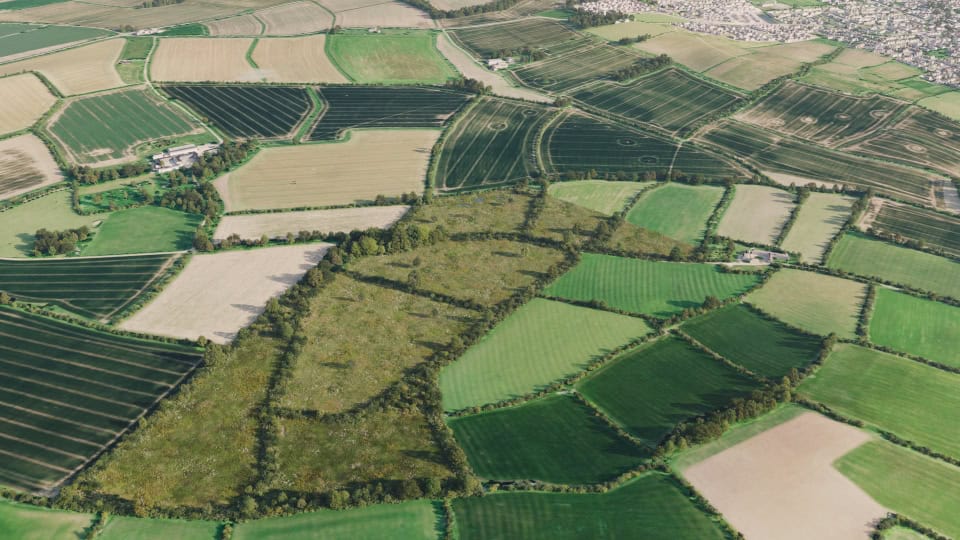
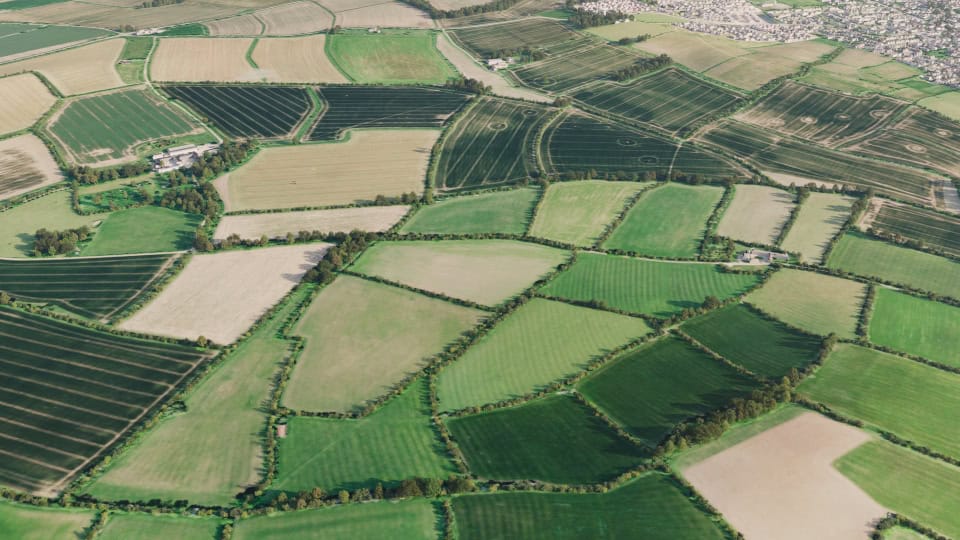
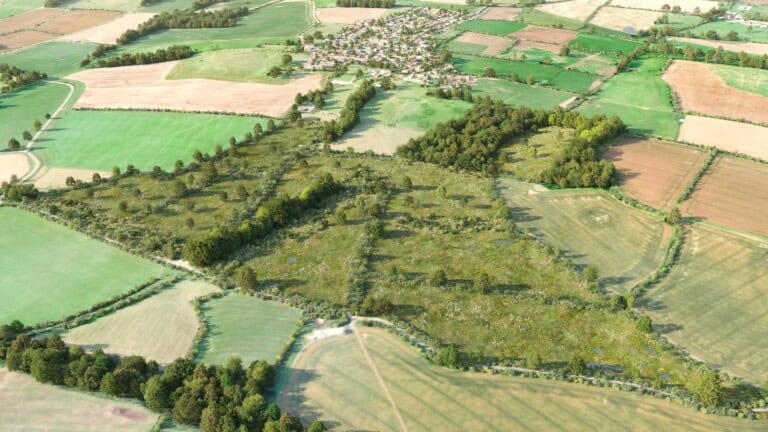
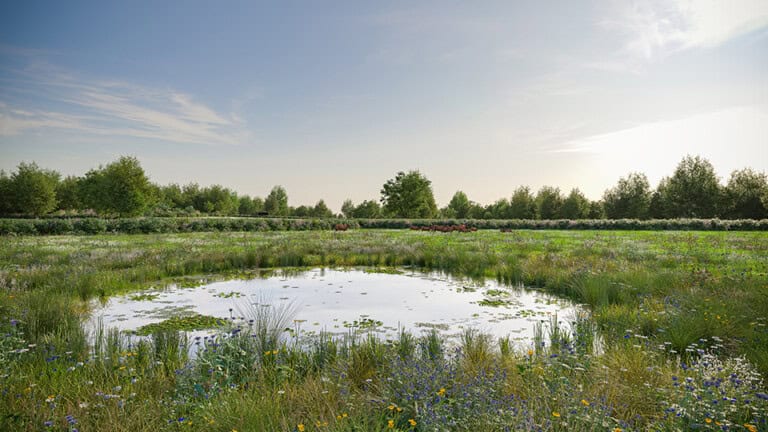
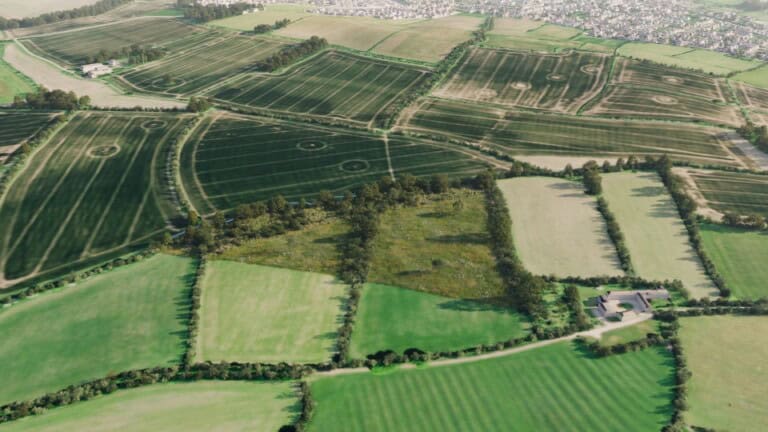
Just east of the village of Stretton-on-Fosse in Warwickshire, our ecologists are transforming almost sixty-five acres of low-biodiversity arable and pasture fields into thriving Habitat Bank which features several priority habitats named on the Warwickshire Local Biodiversity Action Plan – ponds, hedgerows, lowland meadows, and broadleaved woodland.
An essential part of our Habitat Bank delivery process is the initial assessment of the land. This ensures that our team are maximising potential biodiversity uplift from the outset. We look at each site’s natural features and histories – taking into account soil type and condition, long-term management history, native wildlife, hydrology, existing vegetation, geology, and connectivity across wider landscapes.
For each of our Habitat Banks, we take a baseline using the statutory biodiversity metric – ensuring that we can accurately measure the benefits brought by our nature restoration works over our thirty-year management period.
| Neighbouring LPAs |
|---|
|
West Oxfordshire District Council
|
|
Rugby Borough Council
|
|
Wychavon District Council
|
|
Cotswold District Council
|
|
West Northamptonshire Council
|
|
Solihull Metropolitan Borough Council
|
|
Warwick District Council
|
|
Redditch Borough Council
|
|
Cherwell District Council
|
|
Bromsgrove District Council
|
|
Warwickshire County Council
|
| Neighbouring NCAs |
|---|
|
Severn and Avon Vales
|
|
Northamptonshire Uplands
|
|
Mendip Hills
|
|
Bedfordshire and Cambridgeshire Claylands
|
|
Avon Vales
|
|
Bristol, Avon Valleys and Ridges
|
|
Upper Thames Clay Vales
|
|
Yardley-Whittlewood Ridge
|
|
Dunsmore and Feldon
|
At Stretton-on-Fosse Habitat Bank, we’re working closely with the local farmer who has been running an organic farm for nearly two decades. Their livestock will be used to help manage the grasslands using low-intensity grazing to encourage biodiversity. Our work here will support the grassland restoration already underway on the rest of the farm and help form part of a wider network of habitats.
Along the southern boundary of the Habitat Bank, we’re extending the existing broadleaved woodland and thinning the trees to allow sunlight to hit the woodland floor and offer fantastic deadwood habitats for wildlife.
By building a mosaic of woodland, scrub, ponds, and grassland around the stream, Pig Brook, which runs through the Habitat Bank, we’ll be able to create a perfect wetland home for invertebrates and small mammals. This includes species like Eurasian water shrew, which have been sighted in the area.
A public footpath runs through the Habitat Bank, so people from the local area who walk here will be able to enjoy watching the space flourish over the next three decades. We hope they will get a chance to see wildlife grow in abundance, including several bird species like skylark, yellowhammer, kestrel, and song thrush.
Find out the cost and availability of Biodiversity Units from Stretton-on-Fosse Habitat Bank.