Dersingham Habitat Bank
LPA:
King's Lynn and West Norfolk Borough Council
NCA: North West Norfolk
NCA: North West Norfolk
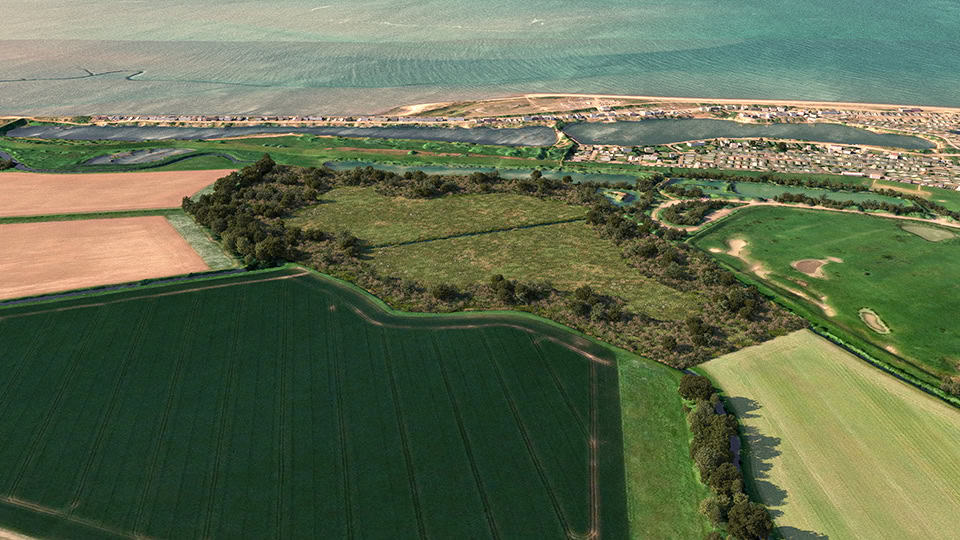
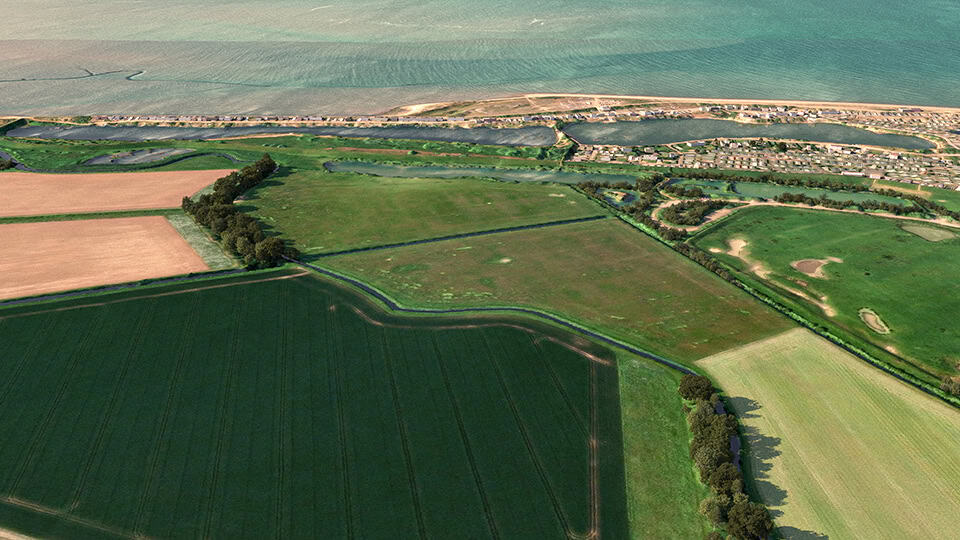
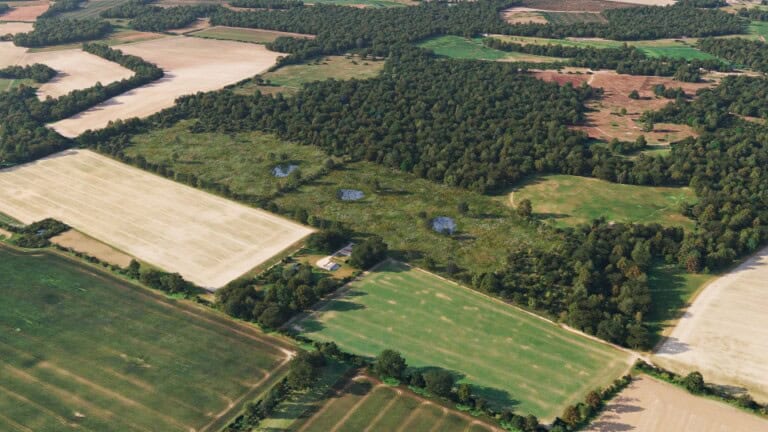
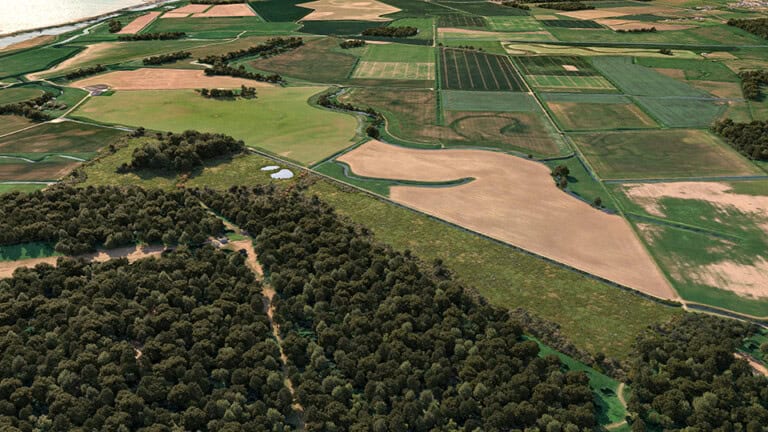
Less than a mile from the Norfolk coast and connected to the RSPB Snettisham Reserve, this forty-acre Habitat Bank is designed to support the coastline’s valuable biodiversity.
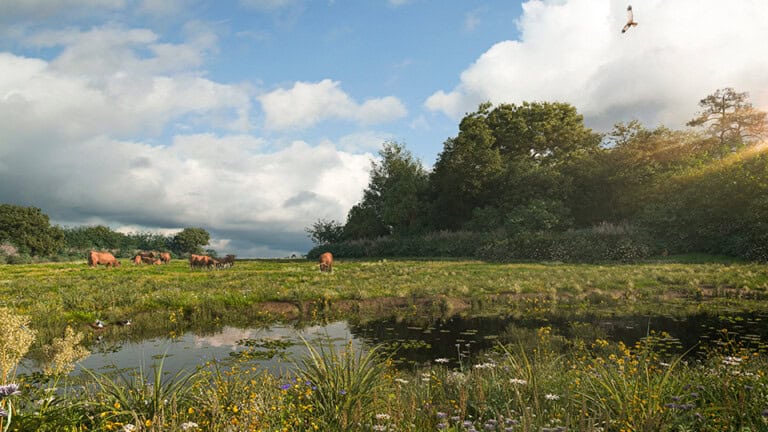
We are transforming a previous grassland to become a range of thriving habitats that are crucial for multiple species, including internationally important migratory birds, a variety of pollinators, and mammals like bats, otters, and water voles.
At every Habitat Bank, we always look at the land to determine what can be achieved from the very start. Our biodiversity experts assess the soil, wildlife, vegetation, geology, hydrology, management history, and connectivity across the local landscape.
We take a baseline for each Habitat Bank using the statutory biodiversity metric. We carefully select the best possible habitats for us to establish so we can deliver and demonstrate measurable biodiversity gains over time.
| Neighbouring LPAs |
|---|
|
South Holland District Council
|
|
North Norfolk District Council
|
|
West Suffolk Council
|
|
Breckland Council
|
|
East Cambridgeshire District Council
|
|
Fenland District Council
|
| Neighbouring NCAs |
|---|
|
Kesteven Uplands
|
|
Central Lincolnshire Vale
|
|
Lincolnshire Coast and Marshes
|
|
North West Norfolk
|
|
East Anglian Chalk
|
|
The Brecks
|
|
Bedfordshire and Cambridgeshire Claylands
|
|
Southern Lincolnshire Edge
|
Between the River Ingol and RSPB Nature Reserve, our Snettisham Habitat Bank is designed to connect essential coastal and wetland habitats to help restore the land’s ecosystems. With the surrounding water and intended wetlands in mind, our ecologists are working to improve the soil’s health and water retention – helping support water security and natural flood management.
With 37% of the nation’s agricultural output supplied from East Anglia alone, building on the soil’s biodiversity will help benefit the region’s farming land. Nurturing the local landscape through habitat restoration, we’re taking proactive steps to reverse the effects of soil erosion and the decline of biodiversity, transforming the health of soil in such a vital area for food production.
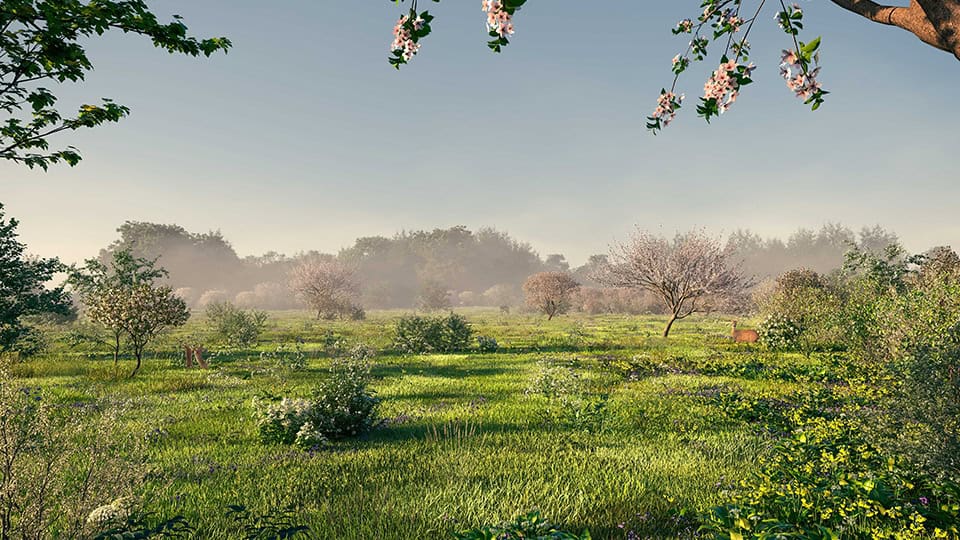
Guided by the expertise of our qualified ecologists, we aim to foster healthy habitats for local flora and fauna – these habitats include woody scrub and grassland.
Our goal is to support a variety of species such as oystercatchers, redshank, water voles, common shrews, smooth newts, and bats, to name a few. We are especially excited to create a space that encourages nightingales, a species now rarely seen in the UK, to return and grow in abundance.
Find out the cost and availability of Biodiversity Units from Snettisham Habitat Bank.