World Water Day 2026 – the importance of building water resilience
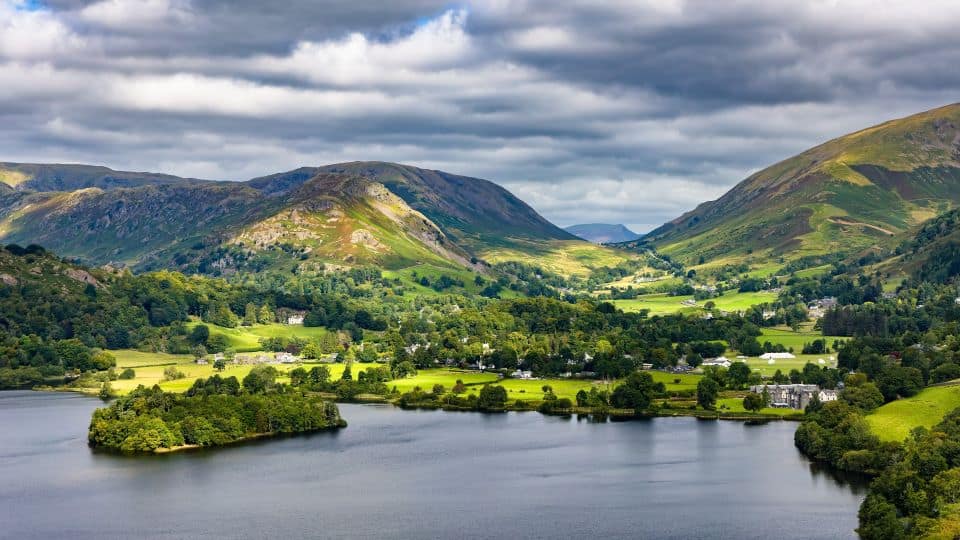
Today marks World Water Day, an annual event that takes place on 22nd March each year that’s dedicated to raising awareness around the global water crisis and supporting the global goal of clean water for all by 2030.
As clean water becomes scarcer and the effects of climate change worsen, building water resilience and maintaining responsible water stewardship is becoming more crucial to maintaining biodiversity and supporting our national infrastructure.
At Environment Bank, advocating for water resilience and stewardship is fundamental to our mission of restoring habitats and increasing biodiversity across our national network of Habitat Banks.
Our tailored ecological strategies are helping to restore wetlands across England – and to celebrate World Water Day this year, we’d love to share some of the ways in which we are tackling the global water crisis through habitat restoration.
Why building water resilience and stewardship is so important
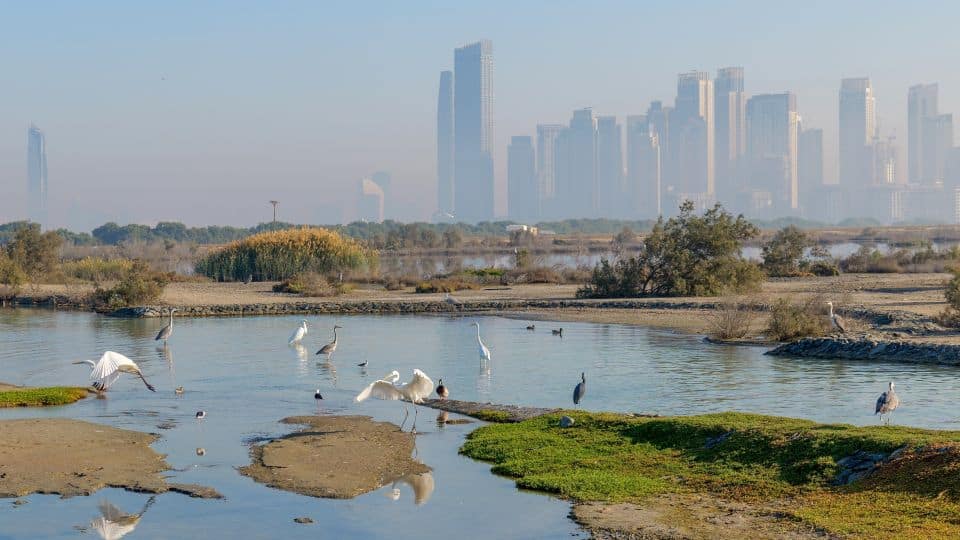
Building water resilience in nature is a key outcome of our work, as it allows for water systems to effectively confront and recover from any shocks and stresses that they may face. This is essential as it means that natural habitats and crucial infrastructure are protected from adverse weather events, addressing the environmental and social need for more climate-resilient water projects.
Water stewardship is the responsible management of water systems, with the recognition of water quality and supply as an essential part of global ecosystems. This involves the reduction of our individual impact on water systems as well as taking collective action to ensure widespread responsibility.
The 2025 National Flood Risk Assessment (NaFRA) saw a staggering 88% rise in properties that are at a high risk of flooding since 2018 and found that 38% of all roads in England are at risk from one or more sources of flooding. Clearly, as climate change worsens and our water systems pose growing social and economic risks, taking transformative action to tackle the global water crisis grows more important.
Tackling these risks must take the form of building our global water resilience and improving our water stewardship – which is why Environment Bank’s work is so vital to reducing the damage caused by climate change.
Our ecological strategies for watercourse units
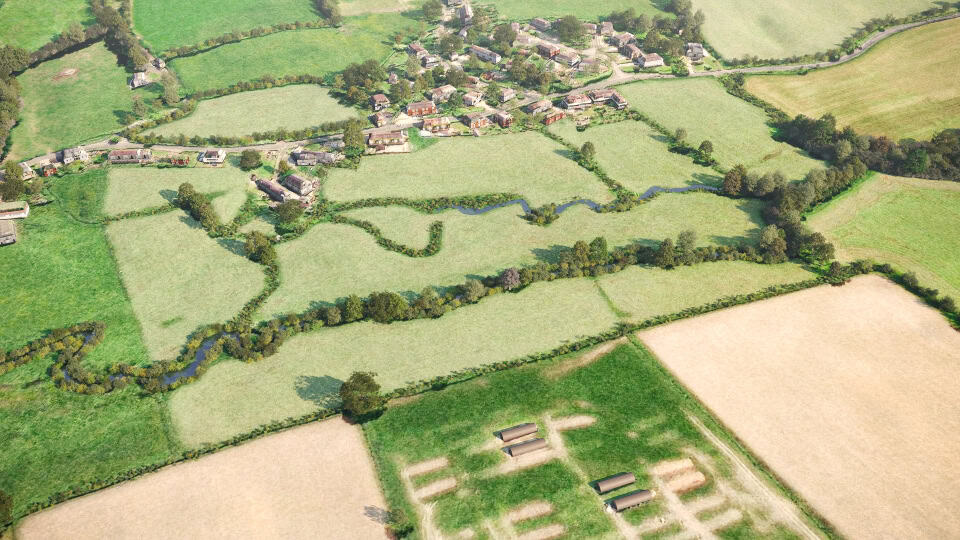
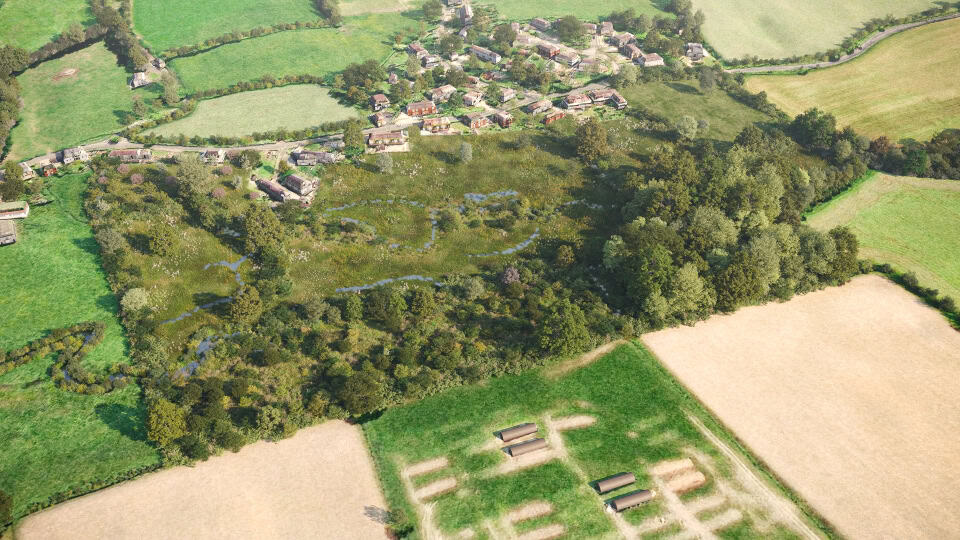
In order to tackle the effects of climate change on our ecosystems, Environment Bank’s expert in-house team of ecologists are working hard to ensure that the water systems at our sites can thrive.
A few miles north of Honiton in Devon lies our Honiton Habitat Bank – a twenty-acre site that incorporates the River Otter into its habitat design. The land was previously used for intensive farming which led to low biodiversity and reduced water resilience. Our team of ecologists carefully surveyed the land and are currently creating streams, ditches, and wetland habitats to tackle these issues and connect the floodplain with the River Otter.
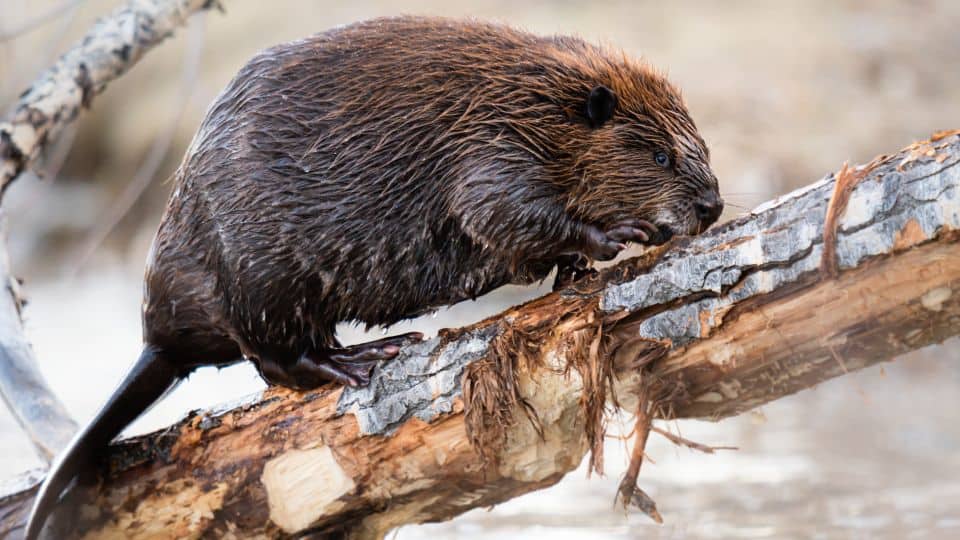
The establishment of these wetlands are increasing populations of native species such as dormice and otters – as well as creating more habitats for beavers in the area. The presence of these beavers at Honiton Habitat Bank is helping us to naturally manage the site’s scrub and woodland, as well as mitigating local flood risks by building water resilience.
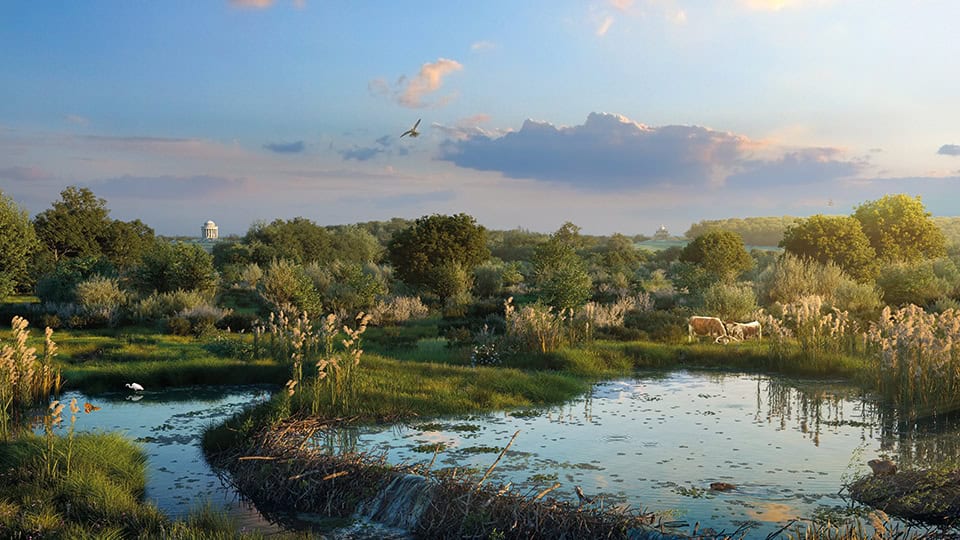
Bog Hall Habitat Bank is another example of the work that we are doing to strengthen England’s water systems. Situated at the historic Castle Howard Estate in North Yorkshire, Bog Hall Habitat Bank is our flagship Nature Shares project that is restoring nature over a 440-acre parcel of land. We carefully chose Castle Howard as the site for this transformative project as it has been named a Site of Importance for Nature Conservation (SINC) and the land’s wetlands have proved unproductive for farming.
Our expert team have carefully designed strategies for Bog Hall Habitat Bank to restore its wetland habitats and improve natural flood management – such as the creation of leaky dams. These have a wide range of benefits such as creating diverse habitats and nesting opportunities for birds, as well as reducing flood risks after heavy rainfall.
We are also looking forward to September 2026 as we are holding a beaver release at Bog Hall Habitat Bank! Beavers are a keystone species, meaning that their presence has an unusually positive effect on local ecosystems and species populations. These ecological engineers will bolster the water resilience of Bog Hall Habitat Bank through their construction of dams across the site, as well as boosting the site’s biodiversity by helping to create a range of habitats.
How supporting water systems can benefit your business
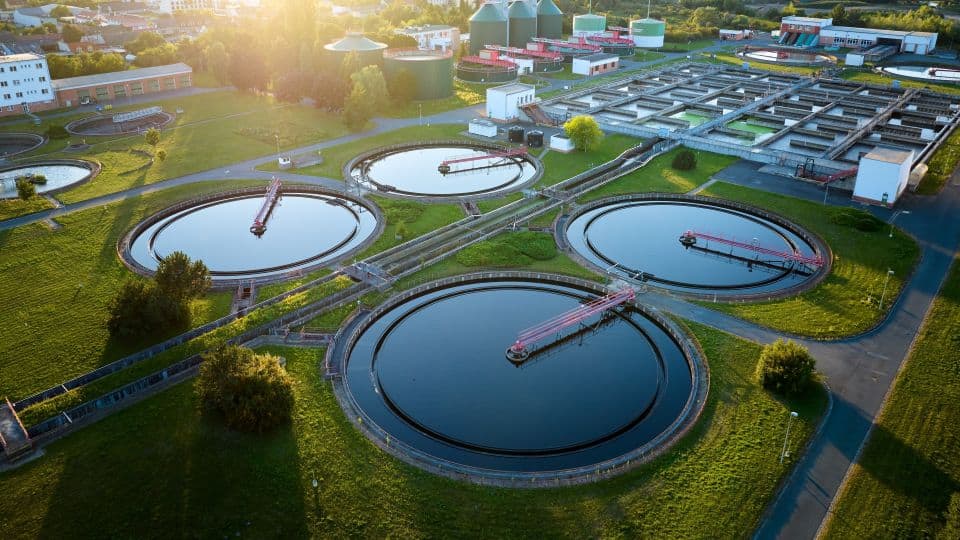
Improving our water resilience and maintaining responsible water stewardship isn’t just beneficial for England’s wildlife, but it also has vast economic benefits, as well.
There are many risks currently posed by our water systems, as climate change worsens and England’s aging infrastructure is increasingly unable to compete with rapid population growth. Relying on our water quality and availability is becoming a liability and is impacting businesses’ operations – leading to financial and reputational damage.
The frequency of adverse weather events, such as heatwaves and floods, is also placing stress on water systems and the businesses that rely on them. The supply of clean water is crucial for not only nature but also day-to-day business operations, and these weather events create unforeseen operational costs and damage to value chains.
Taking care of our water systems is crucial for businesses’ functions and economic activity. With emerging nature markets in the UK rapidly developing and private investors becoming increasingly interested in sustainable action – becoming nature positive is the only way forward.
What you can do to support nature recovery
Environment Bank’s mission is to restore habitats and increase biodiversity across England. To support us in this goal, we have introduced Nature Shares. These allow us to deliver large-scale nature restoration, increasing biodiversity on a grand scale.
Bog Hall Habitat Bank is our flagship Nature Shares project in North Yorkshire. The sheer scale and natural wetness of the land make this project transformative in creating wetland habitats, diversifying wildlife species, and building local water resilience.
Through the purchase of Nature Shares at Bog Hall Habitat Bank, you can help us in our mission to strengthen England’s water systems while also meeting legally binding environmental targets and gaining support from shareholders.
Building water resilience and establishing water stewardship is an essential step to combatting climate change and helping wildlife populations in England to thrive. Investing in large-scale restorative action is a fantastic way for businesses to not only become nature positive, but also to heal the landscapes around us.