Highworth Habitat Bank
- County
- Wiltshire
- Local planning authority (LPA)
- Swindon Borough Council
- National Character Area (NCA)
- Upper Thames Clay Vales
- Biodiversity gain sites register number
- BGS-100926001
Biodiversity Units
Very high distinctiveness habitats
- Lowland meadows
High distinctiveness habitats
- Ponds (priority habitat)
Medium distinctiveness habitats
- Rural tree
Habitat Bank overview
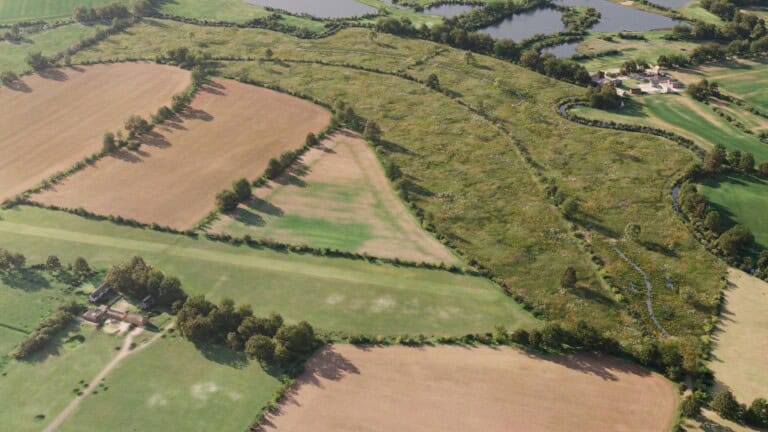
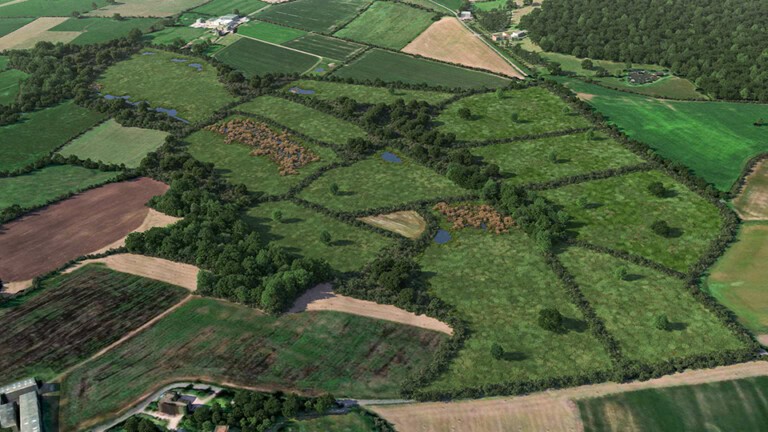
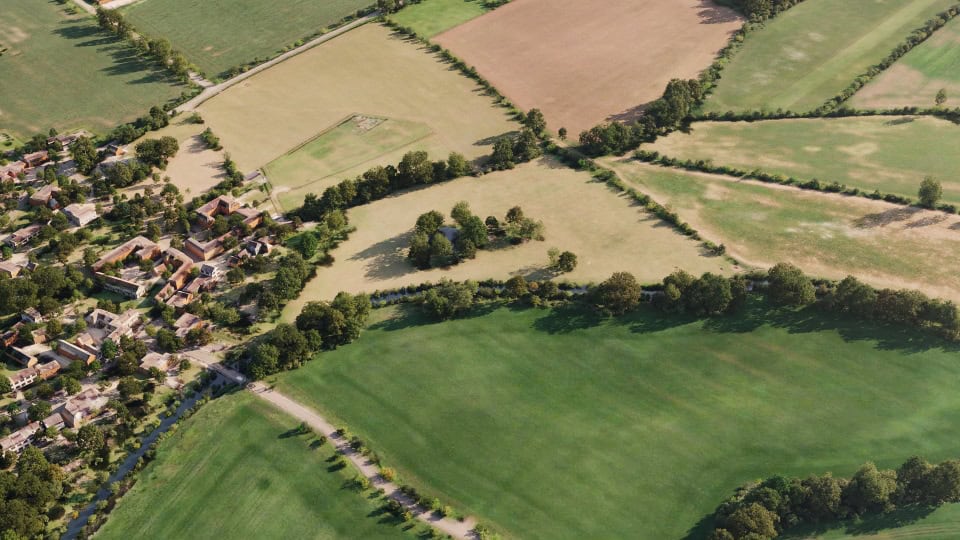
In 2025 we launched a seven-acre Habitat Bank just northwest of the town of Highworth and ten miles from Swindon. Highworth Habitat Bank is bordered along its northern edge by the River Thames, and there we’ve designed habitats to increase biodiversity across this space – in particular, a number of rare and scarce species of waterbird.
BNG delivery
An essential part of our Habitat Bank delivery process is the initial assessment of the land. This ensures that our team are maximising potential biodiversity uplift from the outset. We look at each site’s natural features and histories – taking into account soil type and condition, long-term management history, native wildlife, hydrology, existing vegetation, geology, and connectivity across wider landscapes.
For each of our Habitat Banks, we take a baseline using the statutory biodiversity metric – ensuring that we can accurately measure the benefits brought by our nature restoration works over our thirty-year management period.
Coverage
| Neighbouring LPAs |
|---|
|
Cotswold District Council
|
|
Vale of White Horse District Council
|
|
Wiltshire Council
|
| Neighbouring NCAs |
|---|
|
Bedfordshire and Cambridgeshire Claylands
|
|
Cotswolds
|
|
Avon Vales
|
|
Chilterns
|
|
Berkshire and Marlborough Downs
|
|
Midvale Ridge
|
Our vision
Our work at Highworth Habitat has the potential to transform the existing pasture fields and the habitats we are developing may help to improve flood storage while enhancing the biodiversity of the local area.
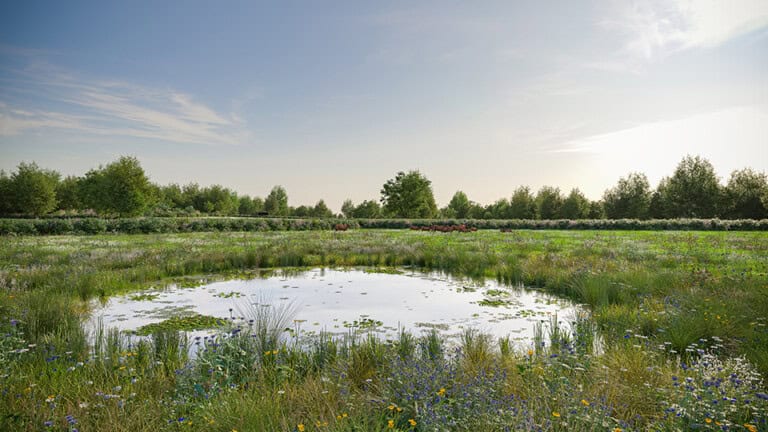
The meadows, ponds, and tree habitats we’ve created will help support a range of wildlife – including a variety of bird species already spotted there, including curlew, lapwing, cuckoo, bittern, yellowhammer, common tern, and common crane – and provide new opportunities for species like barn owl, yellow wagtail, great yellow-cress, and grass snake.
These new habitats will also build upon existing biodiversity found in and around the large pond which already sat at the heart of Highworth Habitat Bank surrounded by trees.
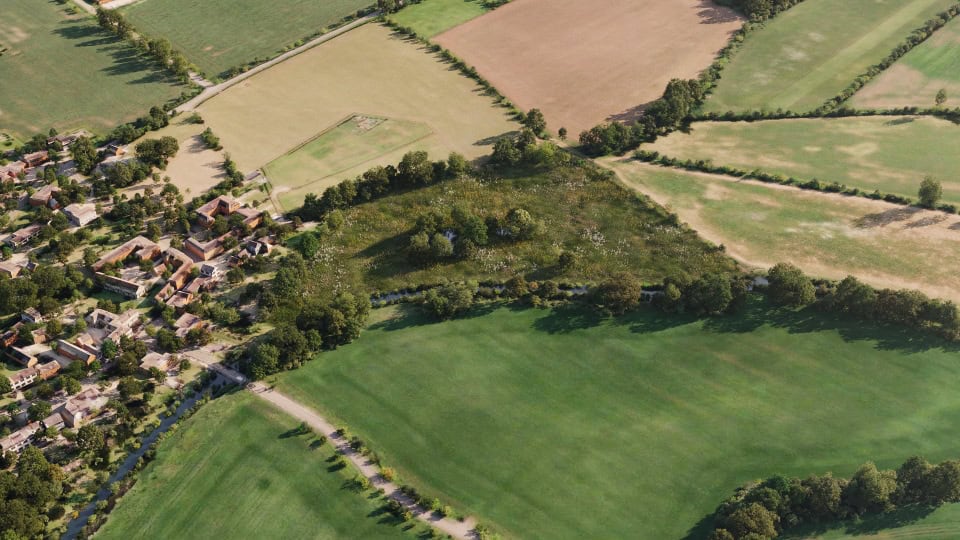
Over the coming years, local people will be able to enjoy as the habitats develop, and wildlife grow in abundance, by walking through Highworth Habitat Bank via the Thames Path National Trail on its 185-mile journey from Gloucestershire to London.
Buy BNG Units
Find out the cost and availability of Biodiversity Units from Highworth Habitat Bank.