Cornwell Habitat Bank
- County
- Oxfordshire
- Local planning authority (LPA)
- West Oxfordshire District Council
- National Character Area (NCA)
- Cotswolds
- Biodiversity gain sites register number
- BGS-040924002
Biodiversity Units
Very high distinctiveness habitats
- Lowland meadows
High distinctiveness habitats
- Floodplain wetland mosaic and CFGM
- Ponds (priority habitat)
Medium distinctiveness habitats
- Mixed scrub
- Other neutral grassland
- Species-rich native hedgerow
Habitat Bank overview
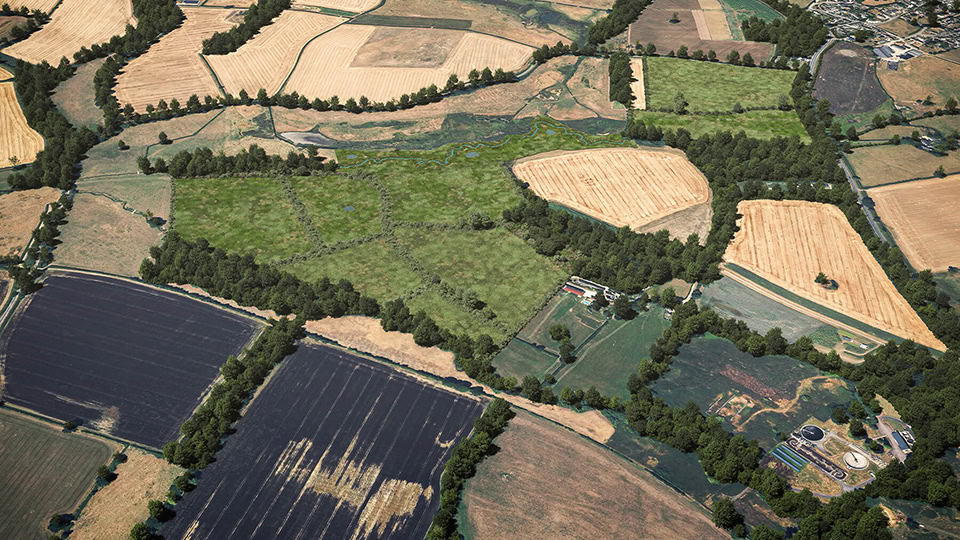
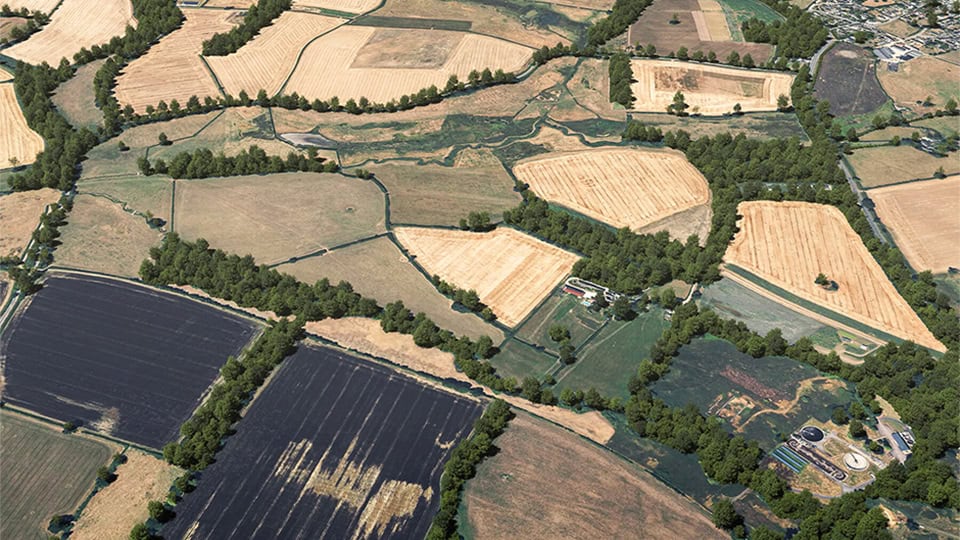
We’re transforming almost seventy-five acres of pasture and arable land into a nature restoration site in the Cotswolds.
Our Cornwell Habitat Bank is bordered by streams, wetland, woodland, and hedgerows, making our site a vital place to build connectivity for key species to build in abundance.
BNG delivery
At every Habitat Bank, we always look at the land to determine what can be achieved from the very start. Our biodiversity experts assess the soil, wildlife, vegetation, geology, hydrology, management history, and connectivity across the local landscape.
We take a baseline for each Habitat Bank using the statutory biodiversity metric. We carefully select the best possible habitats for us to establish so we can deliver and demonstrate measurable biodiversity gains over time.
Coverage
| Neighbouring LPAs |
|---|
|
Cotswold District Council
|
|
Vale of White Horse District Council
|
|
Stratford-on-Avon District Council
|
|
Cherwell District Council
|
| Neighbouring NCAs |
|---|
|
Severn and Avon Vales
|
|
Northamptonshire Uplands
|
|
Mendip Hills
|
|
Bedfordshire and Cambridgeshire Claylands
|
|
Avon Vales
|
|
Bristol, Avon Valleys and Ridges
|
|
Upper Thames Clay Vales
|
|
Yardley-Whittlewood Ridge
|
|
Dunsmore and Feldon
|
Our vision
Cornwell Habitat Bank partially lies within the nature ‘Recovery Zone,’ as identified by the Draft Oxfordshire Nature Recovery Network. Several protected and notable species have been identified within the site, including lapwing, kingfisher, great crested newt, and brown hare.
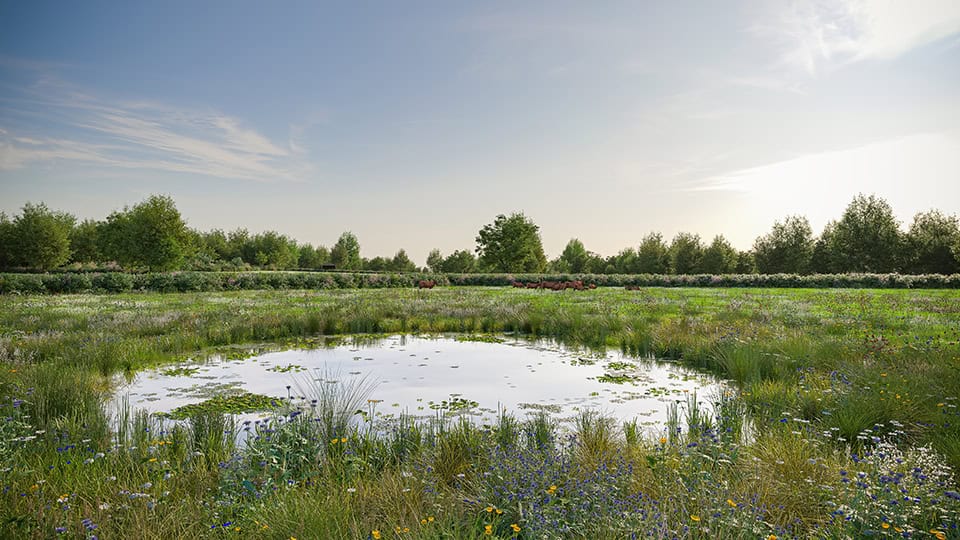
The Habitat Bank also contains Local Biodiversity Action Plan habitats, including coastal and floodplain grazing marsh and ponds. As part of the project, the grazing marsh is being enhanced to contain greater floristic diversity and newly created scrapes. Existing grassland and arable areas are being transformed into beautiful meadows, rich in native flora, mixed scrub, and a new pond – building an essential home for nature to thrive.
The site includes a Public Right of Way (PRoW), meaning that the local community will be able to observe as the Habitat Bank continues to grow and develop as a nature haven for the coming decades – truly enhancing their access to nature.
Areas of the Habitat Bank fall within flood zones. It is hoped that new scrapes within the grazing marsh, increased vegetation cover, and soil health enhancements will reduce surface water runoff and increase the soil’s water storage capacity, increasing the Habitat Bank’s resilience to climate change.
Buy BNG Units
Find out the cost and availability of Biodiversity Units from Cornwell Habitat Bank.
Nearest Habitat Banks
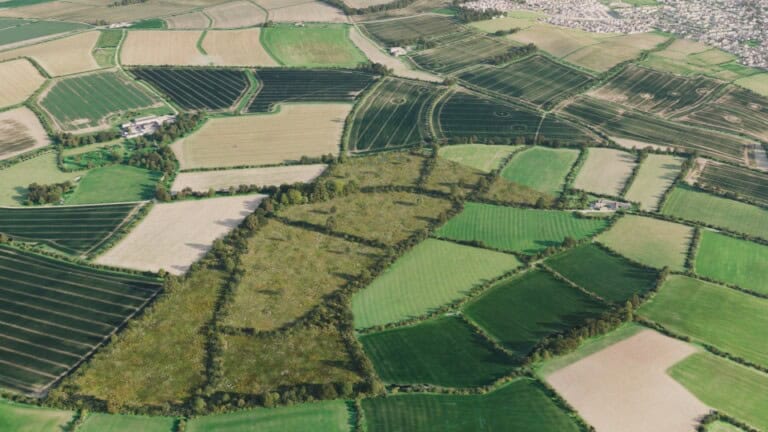
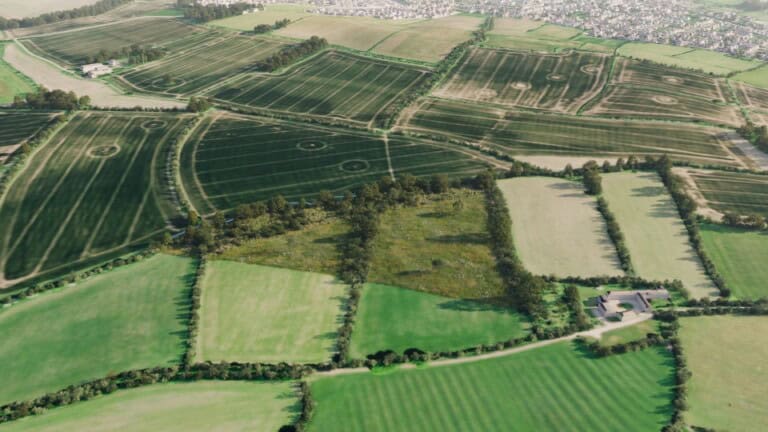
Shipston-on-Stour Habitat Bank
NCA: Dunsmore and Feldon
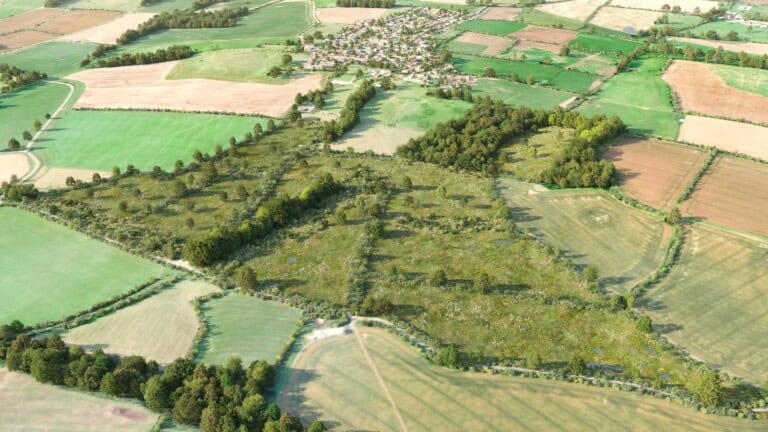
Greatworth Habitat Bank
NCA: Northamptonshire Uplands